
Catalogue Search | MBRL


Are you sure you want to remove the book from the shelf?

{{itemTitle}}
2,224
result(s) for
"الأفلام السينمائية"
Sort by:

صورة المرض والطبيب النفسي كما تقدمها الأفلام السينمائية المصرية
سعت الدراسة إلى التعرف على المرض النفسي كما تقدمه الأفلام السينمائية المصرية، وسمات شخصية الطبيب والمريض النفسي المقدمة في تلك الأفلام، ورؤية الأطباء النفسيين وكتاب ومخرجي الأفلام الروائية للمعالجة الدرامية للطب النفسي، ومقترحاتهم لتحسينها، وذلك من خلال تحليل مضمون 45 فيلم سينمائي تناول المرض النفسي كمحور من المحاور الرئيسية للفيلم، كذلك إجراء جلسات نقاش مركز مع أطباء نفسيين وكتاب ومخرجي أفلام روائية. وجاء مرض الفوبيا (أو الخوف المرضى) والعقدة النفسية في مقدمة الأمراض النفسية والعقلية، كما جاءت الجلسات النفسية الفردية في مقدمة طرق العلاج النفسي، وقدمت شخصية الطبيب النفسي بشكل إيجابي بنسبة % 52.6، بينما قدمت شخصية المريض النفسي بشكل إيجابي بنسبة % 8.5 فقط، ويمكن تفسر ذلك بأن المريض النفسي يحمل سمات سلبية تتعلق بالمرض النفسي تؤثر على اتجاه الدور، كذلك تم وضع مهنة الطبيب النفسي داخل إطار ذكوري في الأفلام السينمائية المصرية، مع ظهور علاقة عكسية ضعيفة بين السمات العامة للطبيب النفسي والنوع. ومن أبرز السمات السلبية للمريض النفسي في الأفلام السينمائية أنه مصدر للسخرية والفكاهة، وقد أوصى الأطباء النفسيين وكتاب ومخرجي الأفلام بضرورة تجنب هذا التناول لشخصية المريض النفسي، كذلك أنه مصدر خطر على نفسه والآخرين، ووصمة عار لنفسه ولأهله، وجاءت العلاقات العاطفية غير المتوازنة في مقدمة العلاقات السلبية بين الطبيب والمريض النفسي. وأجمع الأطباء النفسيون وكتاب ومخرجي الدراما في مجموعات النقاش المركز أن الأفلام السينمائية قدمت صورة غير واقعية لبعض الأمراض النفسية ولشخصية الطبيب والمريض النفسي، وللعلاج النفسي خاصة جلسات العلاج الكهربي، كذلك العلاقات الاجتماعية بين الأطباء والمرضى إذ رأى الأطباء النفسيين أنها تقدم في إطار العلاقات العاطفية، وقدمت مجموعات النقاش المركز مقترحات لتحسين التناول الدرامي للمرض النفسي.
Journal Article

Exploring Utilitarian Myths and Power Discourse in Fritz Lang's Metropolis
Metropolis is a science-fiction and silent film written by Thea von Harbou and directed by Fritz Lang. Originally premiered in 1927, the film footage remained missing for many years until its discovery and reassembly in Buenos Aires, Argentina in 2008. The restored version portrays the tumultuous fate of Freder, the son of the all-powerful businessman Fredersen, within a highly industrialized city. The film mainly deals, in a dystopian manner, with the devastating mechanisms of highly utilitarian societies and sheds light on the challenges posed by a largely rationalized, fascist regime in a pre-World War II context. Fritz Lang's Metropolis delves into a ''semiotics of 'Loss'' (Grayson/Scheurer 2021: 43) featuring transhumanist aspects, which are constitutive parts of an illusionary teleology of total control over human nature. All these narrative elements articulate simultaneously the critical discourse of the Austrian film director. They vividly highlight totalitarian ideologies in a visionary and allegorical manner, exposing their control and power mechanisms (cf. Foucault 1966/2005: 414), which constitute the main subject of the present article. The aim is to deconstruct utilitarian myths as ideology (cf. Rosen 2003: 42) and discourse of power as well.
Journal Article

Nommo
This article examines the concept of Nommo, which has African roots, within the film Child of Resistance, by filmmaker Haile Gerima of African descent in 1972, emphasising its significance for the self-naming and self-definition of Africana women. It explains the rationale behind analysing Gerima's work from an African womanist perspective by investigating the insights that male filmmakers provide on African women's cinematic representation. By examining particular monologues, scenes, and narrative elements, this article underscores how Nommo connects with the film's representation of African-descent women's self-naming and self-definition. It illustrates the empowerment and resistance within the character's narrative and aims to enhance the conversation about the complexities surrounding gender and the representation of Africana women in cinema.
Journal Article
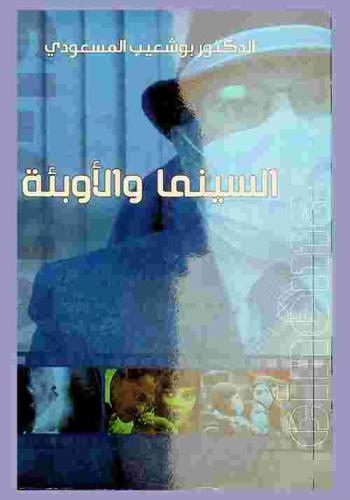
السينما والأوبئة = Cinema and epidemics = Cinéma et épidémies
صدر كتاب قيم بعنوان \"السينما والأوبئة\" للدكتور بوشعيب المسعودي، في طبعته الأولى، متضمنا لـ 417 صفحة وناقش الأفلام العربية والعالمية، التي عالجت موضوع الأمراض والأوبئة الأكثر انتشارًا في العالم، وسلط فيه الضوء على بعض الأمراض التي تسبب الأوبئة كالطاعون والجدري والأنفلونزا، وإيبولا، وسارس وشلل الأطفال والملاريا والحمى الصفراء والكوليرا والتهاب الكبد والسرطان بأنواعه، والإيدز.
BOOK

A Phonosemantic Study of some Selected Hollywood Action Movies' Titles
The present study tries to check the phonosemantic meaning that sounds have in some selected Hollywood action movies' titles. The study adopts the Universal Theory that Agrawal suggested (2010) as a model for the analysis. The chosen movies are those movies which won or were nominated for the Oscar award and other awards, such as BAFTA. The study can reveal the association between the selected movies' titles and their events. The present study is intended to accomplish the following objectives: First shedding light on the phonological features and patterns that are found in the titles of the selected movies. Second, finding out the association between the sounds and the meanings of the titles and their reflection on the events of the related movies, and third, checking phonologically the stylistic features of the sound patterns in titles of the chosen movies. Among the most important conclusions of the study are: Sounds are meaning-bearing elements and titles reflect the events of their movies.
Journal Article
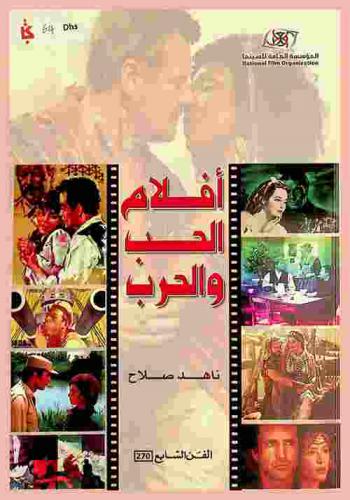
أفلام الحب والحرب
الخيط الفاصل بين الحقيقة والوهم في أفلام الحرب يبدو كالبرق ؛ يبزغ فجأة ويجرح الصورة في حكايات تكون أعصف من صواعق المعارك ثمة حبيبان دائما على الشاشة ومتفرج يحبس أنفاسه مترقبا حضورهما ويشعر بموسيقا تلفهما في لحظات ذروة الغرام أو التوتر أكثر من إحساسه بالفزع نحو أصوات المفرقعات وأزيز الرصاص أو صور الموتى والجرحى السينما التقطت هذه الحكايات كأنها البرزخ بين الحياة والموت وكلما تحررت من استعارات ومشهدية الملاحم الكبرى واتجهت صوب النزوع الإنساني بقيت ترفرف بثنائيات العشق في بال الجماهير التي تواطأت مع الخيال وأحبته كما أحبت مثلا الثنائي الأقدم كليو باترا وأنطونيو اللذين جسدهما إليزابيث تايلور وريتشارد بيرتون عام 1963 في الفيلم ذائع الصيت كيلو باترا.
BOOK

Cinema Addressing of Machiavellian Theory between Creativity and Threatening Social Values
This research paper revolves around studying the mechanism of cinematic language dealing with Machiavellian thinking and the way in which the ideas of this theory are conveyed to the viewing audience, and then look at how the recipients deal with it to study the repercussions on societal values as well as societal security. For this purpose, The Dark Knight movie was chosen as an intentional sample, the case study as a method and the analytical observation as a research tool. Where the focus will be on the cinematic discourse of the film from a technical point of view as well as the manifestations that would establish ideas and behaviours that are hostile to values and moral standards, which may threaten mass culture and stability at the individual and collective levels.
Journal Article