
Catalogue Search | MBRL


Are you sure you want to remove the book from the shelf?

{{itemTitle}}
1,902
result(s) for
"الأقليات"
Sort by:
اصطناع الماضي : الجماعات المهمشة بين اختلاق التاريخ وتلفيق الذاكرة
للوهلة الأولى تبدو عبارة (الماضي) بريئة من المقاصد الرمزية ومحايدة عن التضمينات القديمة التي اعتادت الجماعات البشرية على الإعتقاد بها والاحتكام إليها والشروع منها، حين تلوح في أفق حياتها عواصف الأزمات السياسية والتوترات الدينية والانقسامات الاجتماعية والاحتقانات النفسية والانعطافات التاريخية، بإستثناء كونها تشير إلى صيغة زمنية مضى أوانها وانقضى عهدها وتصرم أمدها، وبالتالي فهي عبارة تقع خارج السياقات الاجتماعية والحضارية والتاريخية الحديثة والمعاصرة. بيد أن الحقيقة هي إننا لو أنعمنا النظر بتلك الكلمة (الماضي) سنجدها مثخنة بالدلالات ومكتنزة بالمعاني ومشحونة بالإيحاءات المبثوثة في كل زاوية من زوايا الوعي، والقارة في كل ركن من أركان الواقع.
Book

The Economic Rights of Minorities in International Conventions and the Position of the Algerian Legislator on Them
The aim of this study is to clarify the economic rights of minorities in international conventions and the position of the Algerian legislator regarding them, by defining the reality of economic rights in both international conventions and the Islamic perspective, as well as the position of the Algerian legislator on the economic rights of minorities, and it was found that their small number and their weak status do not prevent them from enjoying their economic rights \"theoretically\", whether they have the right to work and the rights associated with it or the right to trade and industry, all of which are guaranteed in Algerian legislation and Islamic jurisprudence, and the Algerian legislator must intensify its efforts and strengthen its treaties and projects to establish national legislation capable of protecting the economic rights of all individuals By allocating articles that clearly explain the economic rights of minorities and guarantee them under all circumstances.
Journal Article
منابع مشكلات الأقليات الإسلامية وطرق معالجتها
يتناول كتاب (منابع مشكلات الأقليات الإسلامية وطرق معالجتها) والذي قام بتأليفه (الدكتور مقداد يالجن) في حوالي (247) صفحة من القطع المتوسط موضوع (الأقليات) مستعرضا المحتويات التالية : الباب الأول : منابع مشكلات الأمة الإسلامية ومشاربه ودور التربية الإسلامية في معالجتها، الفصل الأول : المشكلات المادية الاقتصادية الفصل الثاني : المشكلات المعنوية والروحية، الفصل الثالث : المشكلات الاجتماعية والسياسية والحضارية، الفصل الرابع : الحلول الجذرية للمشكلات ودور التربية الإسلامية وقياما في معالجتها، الباب الثاني : مشكلات العالم المعاصر ودور القيم الإسلامية في معالجتها، الفصل الأول : المشكلة العنصرية، الفصل الثاني : مشكلة الأمن وازدياد الجرائم، الفصل الثالث : مشكلة العمل والعمال، الفصل الرابع : مشكلة غياب المعايير والقيم الإنسانية العالمية.
BOOK


African American Muslims under Barack Obama's Post-black Politics
The election of Barack Obama was an unprecedented event that triggered scholarly research and excited cultural and racial critics about the factors that contributed to the election of an African American president. \"Post-blackness\" is a philosophy that intends to explain the complexities of Obama's personality as well as signals the end of traditional blackness in favor of a more fluid and boundless black identity that Obama personifies. This identity relies on multilingualism that rejects black authenticity and rejects historical ties to the cultural trauma that held back the African American community. This article offers a qualitative analysis of Barack Obama's Post-black politics which were characterized by deracialization, neutrality and inclusivity but did not achieve the expected impact on the Muslim African American community. Moreover, Obama's attitude towards Islam in America did not reflect a Post-black policy of racial justice; rather, it held the position of the previous administration, both in terms of domestic and foreign affairs. Obama's Post-black aesthetic did not impact his political agenda, which led to the general deception of both Sunni and unorthodox Black American Muslims.
Journal Article
الوضع القانوني للأقليات في ظل قواعد القانون الدولي العام وقواعد الشريعة الإسلامية
يتناول كتاب (الوضع القانوني للأقليات في ظل قواعد القانون الدولي العام وقواعد الشريعة الإسلامية) والذي قام بتأليفه د. أيمن حبيب في حوالي (585) صفحة من القطع المتوسط موضوع (الوضع القانوني للأقليات) الكتاب دراسة تستعرض الوضع القانوني للأقليات، حيث أنه بمجرد أن الحرب العالمية الثانية وضعت أوزارها، بدأ العمل على إنشاء منظمة الأمم المتحدة، تلك المنظمة التي ارتأى بعض مؤسسيها من القوى المنتصرة في الحرب العالمية الثانية، وهم الولايات المتحدة وحلفائها من دول أوروبا الغربية ضرورة استبدال نظام حماية الأقليات، بنظام جديد انطلاقا من المقولة التي روجها والتي تقول بأن نظام حماية الأقليات، قد أودع في النفس البشرية غصة ومرارة ما بعدها مرارة، وذلك لكونه كان من أهم أسباب اندلاع الحربين العالميتين الأولى والثانية، وذلك طبعا على حسب رؤيتهم هم، وعليه فقد ظهر للوجود الدولى ومن خلال منظمة الأمم المتحدة ما عرف بنظام حماية حقوق الإنسان، ذلك النظام الذي استغله بعض القوى المنادية به والداعمة له، لتحقيق بعض المآرب السياسية التي تصب في مصلحتها هي وحدها.
BOOK

Turkey's Policy Towards Ethnic Minorities
The policy of any country towards its minorities reflects the stability and progress of that state. It also reflects the enforced laws on these minorities and the extent to which these rights are fulfilled. This paper examines Turkey's policy towards its ethnic or racial minorities, as this policy differs from that of the others towards religious minorities. This has been evidently clear through Turkish laws and constitutions since the founding of the modern Turkish state until 2002, we will try to answer some questions about this policy and the most important ethnic minorities that existed in Turkish society. Among these questions are: what is the nature of Turkish politics towards minorities? Is there a difference in policy from other religious minorities? What are the most important minorities?
Journal Article
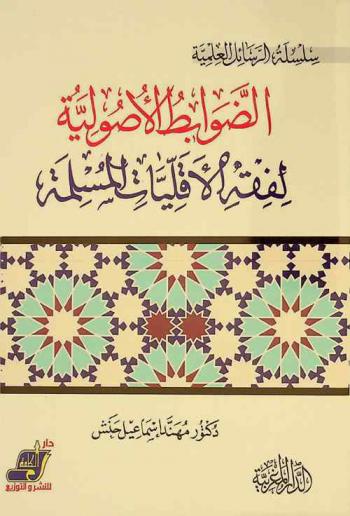
الضوابط الأصولية لفقه الأقليات المسلمة
حاول الكاتب في بحثه المتواضع هذا أن يعرض إلى الضوابط الأصولية والشرعية مستندا في عرضها وبيانها إلى أمهات الكتب الخاصة بعلم أصول الفقه والقواعد الفقهية والضوابط الشرعية، ذاكرا آراء العلماء وتوجهاتهم في القاعدة والضابط والأصل، ثم أذكر تطبيقات فقهية معاصرة عللا فقه الأقليات المسلمة كأمثلة توضيحية على سبيل المثال لا الحصر.
Book

Coming to terms with the nation
China is a vast nation comprised of hundreds of distinct ethnic communities, each with its own language, history, and culture. Today the government of China recognizes just 56 ethnic nationalities, or minzu, as groups entitled to representation. This controversial new book recounts the history of the most sweeping attempt to sort and categorize the nation's enormous population: the 1954 Ethnic Classification project (minzu shibie). Thomas S. Mullaney draws on recently declassified material and extensive oral histories to describe how the communist government, in power less than a decade, launched this process in ethnically diverse Yunnan. Mullaney shows how the government drew on Republican-era scholarship for conceptual and methodological inspiration as it developed a strategy for identifying minzu and how non-Party-member Chinese ethnologists produced a \"scientific\" survey that would become the basis for a policy on nationalities.
eBook