
Catalogue Search | MBRL


Are you sure you want to remove the book from the shelf?

{{itemTitle}}
9
result(s) for
"الأوعية الدموية جراحة"
Sort by:
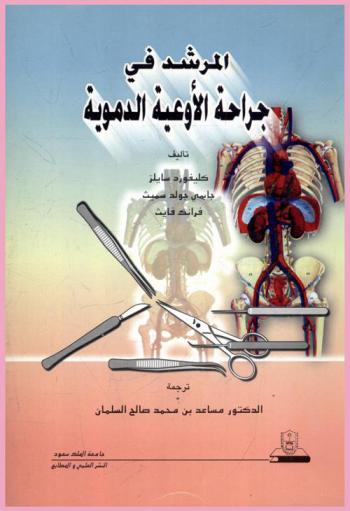
المرشد في جراحة الأوعية الدموية
إن نضوج وتطور جراحة الأوعية كتخصص دقيق أتاح النمو السريع في المعلومات المرضية لجراحة الشرايين وقد وفر هذا الانفجار المعلوماتي التفهم الأفضل لآلية تصلب الشرايين والتطورات الأخرى لأمراض الأوعية، ولعب جراحي الأوعية دورا مؤخرا في استنباط قواعد التفسيرات العلمية لهذه الخطوات المرضية كما يحلو لأطباء هذا التخصص أن ينشروا هذا التعبير، ويعتبر هذا الكتاب مرشد في جراحة الاوعية الدموية، والذي اشتمل على ستة عشر فصلا : تناول الفصل الأول العلوم الأساسية في الأمراض الوعائية، وبين الفصل الثاني الفحص السريري والقصة المرضية. وتضمن الفصل الثالث الوسائل غير الباضعة، وعرض الفصل الرابع التصوير الوعائي وبقية الطرق المباشرة القنطارية. وتناول الفصل الخامس الفحص الطبي لمرضى الأوعية الدموية، وبين الفصل السادس العلاج الجراحي لإقفار الأطراف السفلية، واستعرض الفصل السابع الاعتبارات والأمور المساعدة خلال الجراحة. وتضمن الفصل الثامن العناية بعد الجراحة لعمليات تكون الأوعية الدموية. وتحدث الفصل التاسع عن أمراض الأورطي والشرايين الأحشائية، وبين الفصل العاشر الأمراض الوعائية المخية. وتناول الفصل الحادي عشر الحالات الوعائية الطارية. وتضمن الفصل الثاني عشر الأمراض الوعائية للأطراف العلوية، وعرض الفصل الثالث عشر الأمراض الوعائية الغير تصلب عصيدية، وبين الفصل الرابع عشر أمراض الأجهزة الوريدية والليمفاوية، وأوضح الفصل الخامس عشر بتر الأطراف السفلية. وتناول الفصل السادس عشر والأخير وسائل الديال الدموي، وأخيرا الملحق، والمصطلحات.
BOOK
STUDY OF DESIGN AND PRODUCTION STANDARDS FOR FABRICS USED IN VASCULARS
This research is an attempt to produce fabrics used in heart prostheses (vascular), one textile material was employed in this research that is textured polyester and woven construction used in producing all samples ,using double weave structure, produced samples were treated with Chitosan. Different parameters were studied including, the fabric structure, warp and weft set. Some more results were reached concerning structures and materials for example all samples have achieved the expected results for end uses.
Journal Article

Methods of Achieving Hemostasis after Femoral Sheath Removal post Diagnostic Coronary Angiography at Ahmed Gasim Hospital
Coronary catheterization is one of several cardiology diagnostic tests and procedures and is a visually interpreted test performed to recognize occlusion, stenosis, restenosis, thrombosis or aneurysmal enlargement of the coronary artery lumen. This procedure is commonly performed through a sheath in the femoral artery. Risks associated with femoral sheath removal include inadequate hemostasis which leads to vascular complications. Compression of the puncture site is necessary to avoid or minimize these complications. Manual compression was previously practice which is used to achieve hemostasis. However, few changes have occurred in the techniques. This is a descriptive cross sectional study conducted in the post coronary angiography ward at Ahmed Gasim Hospital among 300 adult patients, males and females were selected by a random sample technique from March/2018 to May /2018 to determine methods to achieve and attain hemostasis post femoral sheath removal post diagnostic coronary angiography. A questionnaire and checklist were used to collect data. The data was analyzed by Using Statistical Packages for Social Sciences (SPSS). The results revealed that the hemostasis achieved by using manual compression for all patients, while few patients needed to attain hemostasis by sandbag were (8.7%) after manual compression to achieve hemostasis. The study concluded that manual compression is safe and effective for patients according to their characteristics.
Journal Article