
Catalogue Search | MBRL


Are you sure you want to remove the book from the shelf?

{{itemTitle}}
8,992
result(s) for
"الاستعمار"
Sort by:
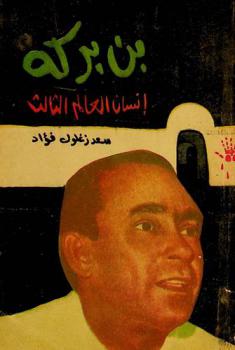
بن بركة : إنسان العالم الثالث /
الهدف من هذا الكتاب هو إلقاء الضوء على جوانب هذه الجريمة لتكون كما إنذار لكل القوى المتحررة والمتقدمة في العالم الثالث، لتعرف ماذا يدبر لها الاستعمار الجديد وعملاؤه بهدف ضربها وتحطيمها. وقراءة الكتاب تبين أن الطريق لمقاومة هؤلاء العملاء هو المزيد من اليقظة والوعي والارتباط الوثيق بجماهير شعوبنا والالتصاق أكثر فأكثر مع الحركة العالمية ضد الاستعمار وعملائه.
Book

De Gaulle's Doctrine of \Elimination\ Through \Integration\ in Algeria
The article scrutinizes France's policy of elimination through integration in Algeria in De Gaulle's Address on \"The Constantine Plan\" (Oct. 3, 1958). Utilizing Settler Colonialism theory, the article analyzes the Address to reveal that French settler colonial enterprise in Algeria hinged on the integration of Algerians to erase them culturally and hence ensure the survival of its settler colonial society. To this end, France resorted to improving the economic, social and cultural conditions of the Algerians and lulled them to believe in the equality between Muslims and Europeans to ultimately accept French sovereignty. The study concludes that De Gaulle's objective of integrating Algerians into the European society was a desperate attempt by the French military and political elites to stymie the decolonization of Algeria.
Journal Article

Jihad in Sufi thought
This study aims to investigate the correlation between the terms Jihad and Sufism, especially considering the prominent role Sufis have historically played in the Jihad movement for the sake of Allah and in defense of Islam and Muslims. Additionally, this study seeks to clarify that Sufism is not isolationism or abandonment of homeland and worldly detachment, but rather Sufis have strived to raise the banner of Jihad against colonialism. We have chosen the Shadhili Path, which raised the banner of Jihad under the leadership of Sheikh Bouamama against French colonialism. We attempted to focus on the concept of Jihad on one hand, and on the jihadist discourse among the leaders of the Sheikhia Path on the other hand, and how did they employ this term in confronting colonial administration?
Journal Article

توماس جوزيف سنكارا أسد فولتا العليا 1983-1987 م
لقد كان الاستعمار الأوروبي وبالا على القارة الإفريقية، وبالخصوص فترات الثورة الصناعية في النصف الثاني من القرن الثامن عشر الميلادي، فلقد احتاجت هذه الدول الأوروبية إلى الثورات الطبيعية والمواد الأولية وكذا أسواق لتصريف الفائض الإنتاجي وكذا السكاني، فوجدت ضالتها في إفريقيا، هذا كله أدى إلى زيادة الحركة الاستعمارية الأوروبية في القارة، فتجرع خلالها الأفارقة من السياسة التعسفية الاستعمارية وأنظمة حكمها واضطهادها للشعوب المحلية الرافضة للظلم. وهذا كله قادنا لأخذ مثال الاستدمار الفرنسي وسياسته الاستعمارية في إفريقيا الوسطى والغربية، وأخذنا عينة \"فولتا العليا\" والتي عانت ولا تزال تعاني من ويلات الاستعمار الفرنسي الذي احتكر ثرواتها واضطهد سكانها. لعل الغاية التي نسعى من خلالها بنشر هذا العمل هو ارتباطنا بالقارة الأم القارة السمراء، التي عانت من ويلات الاستعمار الغربي والحركات التحررية التي أتت لإزالة ذلك وكيف استطاعت كل واحدة منها تحرير شعبها، ولقد اتبعنا في دراستنا المنهج التاريخي التحليلي لتوضيح الحقائق التاريخية، والذي من خلاله خرجنا بمجموعة من النتائج أهمها: تخلف دولة فولتا العليا راجع للعمالة للخارج، والتبعية الاقتصادية ساهمت بشكل أو بآخر في تخلفها رغم عناها بالثروات المعدنية والطاقوية. الرجل الوحيد الذي أتى للقضاء على هذه العمالة والتبعية هو توماس جوزيف سنكارا، الذي أعطى نفسه وروحه من أجل نماء وازدهار دولته والذي لقى حتفه على يد أقرب المقربين له الخائن بليز كمباوري، والذي دفع ثمن غدره حيث قام الشعب البوركينافي بإسقاطه عن طريق انقلاب عسكري وفراره للخارج للنجاة بحياته.
Journal Article


Destabilizing the Colonial Legacy in Postcolonial Ghana
Though Ghana got its political independence from the British colonization in 1957, the lifestyle and life choices of the Ghanaians in the postcolonial era indicate that they are still colonized from within. In their daily life, they proceed from a deeply rooted belief in their inferiority compared to their former white colonizers and, thus, they still do not see any avenue for getting into the future but through the white culture. As a result, they send their sons to the West to complete their study, deny their national history with specific regard to the dark moments in it, other the weak and the powerless sections in society, and look upon woman from a sexist perspective. Ama Ata Aidoo's The Dilemma of a Ghost (1965) comes at this critical period in the history of modern Ghana to revolutionize the consciousness of its readers/spectators by making them question their colonial mentality and practices. The researcher argues that the play is a revolutionary one that provides a powerful critique of the dominant colonial ideology in postcolonial Ghana through uncovering the colony within the Ghanaian people's psyches. In place of the imperialist ideology that dominates all aspects of life, the play poses a postcolonial national ideology based on the resurrection of a shared history and a common culture that can reunite all Ghanaians under their umbrella and help them get rid of their colonialist legacy and rebuild their indigenous postcolonial identity.
Journal Article

Question of Identity
Since Jhumpa Lahiri has been regarded as a second generation Indian immigrant living in the United States. This has made her fully aware of the cultural mixing between India and America. This paper focuses on the process of mimicry and decolonization of Indian immigrants who live in the United States. Lahiri's fiction Interpreter of Maladies reveals cultural identity, mimicry and decolonization that the immigrants experience while living in the target culture. This paper applies Homi Bhabha's concept of mimicry and Frantz Fanon's concept of decolonization to explore three short stories in Lahiri's fiction Interpreter of Maladies namely; \"When Mr. Pirzada Came to Dine\", \"Mrs. Sen's\" and \"This Blessed House\". The study concludes that some characters in these stories mimic the American culture as a result of their interaction with the Americans due to work or for being born and raised in America. Their imitation involves culture, tradition, language and religion. While, other characters decolonize and resist the American culture by rejecting everything related to this culture, in order to adhere to their original Indian identity and keep ties with their heritage.
Journal Article
