Catalogue Search | MBRL


Are you sure you want to remove the book from the shelf?

{{itemTitle}}
110
result(s) for
"الترجمة الفورية"
Sort by:
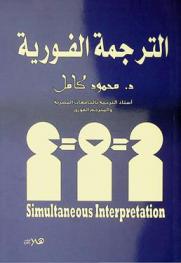
الترجمة الفورية = Simultaneous interpretation
في داخل الهيكل التعريفي للترجمة يمكن تمييز الترجمة الفورية عن سائر أنواع النشاط الترجمي بفوريتها فمن حيث المبدأ يتم تنفيذ الترجمة الفورية هنا والآن لمصلحة أشخاص يرغبون في التواصل عبر حواجز اللغة والثقافة. وعلى العكس من الاستخدام الشائع والمستخدم في معظم القواميس، فإن لفظ الترجمة الفورية لا حاجة إلى مساواته بلفظ «الترجمة الشفوية أو لأكون أكثر دقة «الترجمة الشفوية لرسائل منطوقة». ومن يسير وراء هذا التعريف سوف يستبعد الترجمة الفورية باستخدام لغة الإشارة للصم والبكم. وبالارتكاز على جانب الفورية يمكننا أن نميز الترجمة الفورية. أشكال الترجمة، دون اللجوء إلى ثنائية الشفوي مقابل التحريري.
Book

Interpreting Persuasion Techniques in Political Debates
Interpreting has emerged along with events live television broadcasting, and went beyond conferences rooms. It is considered as one of the most difficult types of interpreting as the interpreter is not only required to transfer the discourse from the source language to the target language, but he has to take into consideration other factors imposed on him in order to achieve equity between the debate's counterparts. In fact, the kind of political debates that has recently been prevalent is that of presidential elections candidates. Therefore, we have selected the last debate between the current American president Biden and his counterpart the previous president Trump in which we will see, to what extent is the interpreter able to keep the acuity of debate? And does the counterpart tactic have an influence on the quality of interpreting especially when the interpreter is under the pressure of time? The techniques employed by interpreters in translating debates are similar to those used in conference interpreting, but they may not always be sufficient. As a result, interpreters may need to resort to tactics such as omission, delay, filler words, or even abandoning the message due to challenges unique to debates, including impromptu interventions and rapid speech due to limited time.
Journal Article

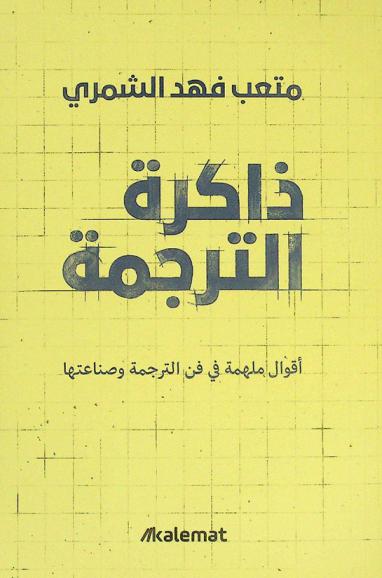
ذاكرة الترجمة : (شذرات واقتباسات)
جمعنا بين دفتي هذا الكتاب طائفة كبيرة من الأقوال والاقتباسات والشذرات (أو ما تسمى بأدب الحد الأدنى) التي كتبها وقالها عدد كبير من أهل الترجمة من العرب والعجم القدماء والمحدثين، لكن يغلب عليها الاقتباسات المنسوبة إلى أصحاب لغة الضاد من الأكاديميين والمترجمين والكتاب والصحفيين والناشرين والفلاسفة. وقد اعتمدنا في جمعها على عدد كبير من الدوريات المحكمة والمجلات والصحف واللقاءات والحوارات الموثقة وكذا المقالات والدراسات المتخصصة إضافة إلى عدد من الكتب الرصينة والمراجع المختصة بالترجمة، ليبقى كالذاكرة التي يعود إليها، لا أقول المترجم وحده، بل الكاتب والناشر وطلبة الترجمة والقارئ العادي كذلك، للأخذ بما هو جديد عليه من فكرة هنا، أو استراتيجية هناك، تساعده في عمله وتصقل مهارته وتجاربه الترجمية والقرائية.
Book

Metacognition and Oral Interpretation Skills for Al Azhar Languages and Simultaneous Translation Students
This study aimed to develop the public speaking skills of second year languages and simultaneous translation students and reduce their oral apprehension through using a metacognitive regulation strategy. The current study was conducted during the second term of the academic year 2019 - 2020. The present study followed the pre-post, quasi- experimental - control group design. The researcher used two groups: quasi-experimental and control. A number of sixty second year from Languages and Simultaneous Translation students, English department, Faculty of Humanities, Al Azhar Universty, Tafahna Al Ashraf, Girls Branch, Al dakahlia Governorate, Egypt were the participants who were randomly divided equally into two groups. An interpretation test was used to measure second year students' public speaking skills before and after the treatment; a sight translation apprehension scale was used to measure the level of apprehension before and after the treatment adopting a strategy based on metacognition. The results of the study showed that the metacognitive regulation strategy was effective in developing the sight translation public skills and in reducing oral apprehension of second year students.
Journal Article

نصائح إلى المترجمين
يقدم هذا الكتاب نصائح للمترجمين حيثت يتلخص في بالقراءة المتواصلة في اللغتين المنقول منها والمنقول إليها، والقراءة بصوت عال، والحفظ والبدء بترجمة النصوص المصطنعة ودراسة النصوص باللغتين الأصلية والمترجمة والاستفادة من دراسات التقد الترجمي العملية وفي هذا الكتاب يقدم ثلة كريمة من أساتذة الترجمة اللامعين والمترجمعين المبدعين في مختلف أنواع الترجمة الأدبية والعلمية والقانونية والفورية والتعاقبية وغيرها. وفي لغات لا تقتصر على العربية والإنجليزية فحسب بل تمتد لتشمل الكوردية والفارسية والفرنسية والإيطالية والإسبانية.
Book

Navigating the Digital Shift
The Fourth Industrial Revolution has remarkably transformed the translation and interpreting education field. It has introduced newer and more advanced technologies that have affected translator and interpreter training strategies, bringing in more innovative technological tools, artificial intelligence, and digital learning platforms. This research paper investigates the integration of translation and interpreting technologies in academic training at the High Arab Institute of Translation in Algiers. It uses a mixed-methods approach, combining quantitative data from a questionnaire and qualitative information from verbal reports. The sample consisted of 24 students and alumni from the institute who completed the questionnaire, while the researchers collected verbal reports from other students and teachers as a complementary method. The results indicate that participants are aware of the benefits of technology in their field. However, insufficient practical training, flawed technological infrastructure, and insufficient exposure to advanced tools affected their experiences. As many expressed skepticism towards using Artificial Intelligence (AI) to generate translations, others voiced doubts concerning using technological aids in simultaneous interpreting. These findings underscore a need for curriculum enhancements to align Algerian training programs with industry standards and prepare students for a technology-driven job market. Finally, the study emphasizes the need to find solutions to prepare today’s translators and interpreters by equipping them with technological and digital skills, enabling them to manage the vast amount of data and succeed in the ever-evolving digital market.
Journal Article