
Catalogue Search | MBRL


Are you sure you want to remove the book from the shelf?

{{itemTitle}}
722
result(s) for
"التصوف الإسلامي فلسفة"
Sort by:

The Spiritual Aura
This paper delves into the intricate relationship between spiritual energy, psychological equilibrium, and divine existence within the context of human life. It explores the fundamental role of spiritual energy as the cornerstone of human life, bridging the gap between materialistic desires and spiritual aspirations. This spiritual energy serves as the axis upon which the delicate balance of human existence hinges, infusing it with purpose and meaning, and establishing a profound connection with a higher spiritual realm. The study emphasizes the multifaceted nature of faith, thought, and language, with faith extending beyond cognitive abilities. It is depicted as a transformative force that operates at the core of human essence, enhancing rationality and facilitating engagement with the world. The study argues that, without faith, the human mind lacks the capacity to fully comprehend religious beliefs, emphasizing the intimate connection between faith and rationality. Furthermore, the paper introduces the concept of the spiritual aura, an unseen energy field enveloping individuals, reflecting their inner intentions and emotional states. This aura exerts a profound influence on their actions, interactions, and the outcomes of their endeavours. Those with heightened spiritual awareness can perceive these energies and intentions in others, underscoring the importance of spiritual introspection. In conclusion, this study highlights the significance of acknowledging the existence of the unseen, embracing faith, spirituality, and the recognition of the divine presence in all aspects of life. It posits that this profound understanding transcends mere assumptions, leading to a deeper and more meaningful connection with the Creator and enriching the human experience. Ultimately, it highlights the intricate interplay of spiritual energy, psychological equilibrium, and divine existence as central elements in the journey of human life.
Journal Article


NevÎzâde Atâî'nin Şiirlerinde Mebde Ve Mead İncelemesi
Nawa Zade Atai is one of the literary and Sufi figures who is considered the most genuine and valuable one during the 17th century. He is also a poet of Divan known by his identity as a historian and a Jurisprudent. The poet was born in 1583 in Istanbul, the capital city of the Ottoman Empire at that time. His real name is Atta'ullah. His father was a Sufi whose name is Yahya Bin Beer Ali Bin Nasooh. Because his father was known by his nickname Nawa, the poet got this nickname Nawa Zade Atai, which means the son of Nawa. As he used the nickname Attai in his poetry, his full name became Nawa Zade Atai. After receiving his religious education, he was employed in several jobs in teaching and justice. He died in 1635 in his hometown Istanbul. He was released from his work as a judge one year before his death. His grave is close to his father's grave in a religious building that is called Takyat Al-Shaikh Wafaa in Istanbul. Nawa Zade Atai is considered a Hanafi jurisprudent and has books in poetry and prose. One of these books is called Divan. Nawa Zade Atai devoted his poetic work, which is called Diva, in which he collects his poems, to the soul of the Shaikh Yahia Afandi. It includes one preface written in prose, 31 poems, 275 courtly love poems, 56 historical sections, 15 rubaiyat, and 93 verses. The language is very simple and interesting. He creatively dealt with the structure of the language at that time.
Journal Article

النصائح الزروقية : An-Nasa'ih Az-Zarruqiyya
كتاب في التصوف يشتمل على الكثير من الفوائد للمسلمين عامة وللمتصوفين خاصة وتشتمل على النصيحة الكافية والجامع لجمل الفوائد والأصول والفصول ومزيل اللبس وأصول الخير والمقاصد الثلاثة والجامع ورسائل الشيخ احمد زروق ويحتوى على : النصيحة الكافية-الجامع لجمل من القوائد والمنافع، النصيحة الصغرى-الأصول والفصول البديعة والمعاني والمباني الرفيعة-مزيل اللبس عن القواعد الخمس-أصول الخير في الدنيا والأخرة-المقاصد الثلاثة-الجامع-رسائل الشيخ أحمد زروق.
BOOK
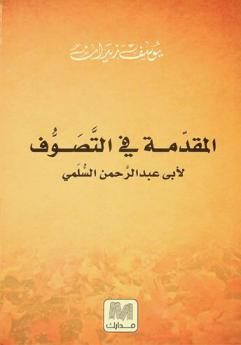

جدلية التصوف مع هو : لماذا لا يفهم البعض معنى التصوف ؟ ! : ما العلاقة بين صفاء الجوهر وصوف المظهر ؟
يبين الكتاب أن هناك رؤى متعددة في مسألة وحدة الأمة والحفاظ عليها مشيرا إلى وجود تيارات عنيفة تجهل حقيقة الإسلام وأحكام الشريعة من حيث أساسياتها ومجال تطبيقها وإن فهمت ظواهر النصوص فهي تجهل علة الحكم وطريقة تطبيقه وتعارض الأدلة وترجيحها ويرى طعمة أنه لا تكفير مع التصوف بل يكون بالتفكير والتفكر والتأمل ولا إكراه في الدين فكمية الحب تبنى على درجة الإيمان ودرجات الحب يقاس بها قوة فهم الإنسان للإنسان وللموجود المحيط ومقدار عطائه ومن يكفر يخرج من دائرة الحب ويبين طعمة أنه على الإنسان أن يؤمن بضرورة التخلق بأخلاق فهم الآخر واستيعاب نظرية توزع الجوهر على الكل وتحقيق كافة سبل العدالة الإنسانية والاجتماعية الأخلاقية ويعرف طعمة التصوف على أنه الحب الذي يبدأ من الأعلى ويهوي إلى القلب كالنجم لا من الأسفل الذي ينظر إلى عالم الشهوة والانغماس حيث عالم الخفاء والجفاء والعجلة كما أنه وجوب عيني على كل إنسان ذلك لأن طهارة المخبر \"العجواني\" أرقى وأنقى من تزيين المظهر \"قد أفلح من زكاها\"ويخلص طعمة إلى أن التصوف علم يعرف به أحوال النفس وصفاتها الذميمة والحميدة وموضوع التصوف يذهب إلى النفس من حيث ما يعرض لها من الأحوال والصفات وثمرته التوصل به إلى تجلية القلب عن الأغيار وتحليته بمشاهدات الخالق، ويبحث طعمة في ماهية الصراع حول التصوف فالبعض يرى العيب الكبير والإثم العظيم لمن كان فيه نزع التصوف وآخرون يرون أن ارتقاء الطهر والعيش في ظل هناء الداخلية لن يكون بغير التصوف مبينا غياب الواجب الأخلاقي في البحث العلمي والحق البحثي في ضرورة التعالي والكف عن فكر التعميم، ويأتي طعمة بظواهر نشأة التصوف من حيث تعرض المسلمين لأحوال مختلفة واتجاهات فكرية مختلفة ومتعددة وظهور الترف والإسراف حيث أقبل الناس على الدنيا إقبالا شديدا في تلك الظروف ما أدى لظهور نزعة التصوف حسب رؤية كثير من العلماء والفلاسفة ويذهب طعمة إلى رؤى أخرى تفسر أن التصوف رافق علاقة الخالق بالمخلوق الإنساني الأساس ولم يفصل بينهما كما أورد عددا من المصطلحات ومعانيها والبنية التأملية للتصوف وإشكالياته وعلاقته بالقلب والعقل وصولا إلى العمل على إقناع المتلقي الذي بات يرفض المؤلفات المستنسخة ويرغب بالاستفسار والتفسير والوصول إلى المعاني الحقيقية للأشياء.
Book

النفس عند المتصوفة
التصوف، ذلك الشريان النابض في جسد الثقافة الإسلامية، يستحضر في أي موضوع يطرح في سماء هذه الثقافة، حتى تلك التي تعد بعيدة عن فضاءاته المعهودة كالمنطق وعلم الكلام على سبيل المثال، إذ لا تخلو الموضوعات التي تناولها أرباب الفكر في العالم الإسلامي من غير أن يدلو التصوف بدلوه في تلك الموضوعات، ولا يستثنى من ذلك بطبيعة الحال موضوع النفس، وكيف يستثنى والنفس تعد عماد التجربة الصوفية، والكيان الوثيق الذي تدور حوله مجمل المسارات التي يجري على خطاها المتصوفة، حتى أن اشهر حدود التصوف هو استبطان الحالة الدينية لدى الإنسان، وما تلك إلا منازعات النفس مع محيطها والغور في أعماقها لاستجلاب كنهها الذي توارت عنه بفضل العوالم التي جاورتها في حياتها الظاهرية فيسعى بحثنا المتواضع هذا إلى الوقوف على أهم الآراء التي طرحت في مجال التصوف فيما يخص موضوع النفس لما فيه من أهمية كبيرة ارتبطت ارتباطا وثيتاً بالمذهب العام الذي تميز به التصوف معرجا على شخصية مهمة من الشخصيات الصوفية والتي كان لها باعاً طويلا في سماء التصوف. ومن النتائج التي توصلت إليها الدراسة هي: لم تغب النفس من الموضوعات التي عالجتها الفلسفة اليونانية في سابق عهدها، ولكنها تناثرت في خضم الموضوعات العديدة آنذاك بسبب التركيز على موضوع الوجود الذي أخذ الحيز الأكبر ضمن فلسفاتهم. وكان لامبادوقليس Empedocles الفضل في طرح رؤية فلسفية لموضوع النفس استطاع من خلالها التأصيل لنظرية صوفية ألقت بظلالها على الرؤية الصوفية في الإسلام إذ بجد توافق واضح بين الرؤيتين.
Journal Article