
Catalogue Search | MBRL


Are you sure you want to remove the book from the shelf?

{{itemTitle}}
3,105
result(s) for
"التعددية"
Sort by:

Postmodernist Literature and Reader Response Criticism
Postmodernism developed in the mid to late 20th century as a cultural and intellectual movement that has had a profound impact on literature, art, architecture and philosophy. The phrase post modernity denotes the transition from the modern period to the postmodern one. Any idea that there could be a meta-language, meta-narrative, or meta-theory through which all things can be related, represented, or explained is attacked by postmodern social theorists. Postmodernism is an autobiography, an interpretation of our lives in developed societies, linked to an epochal crisis of identity. Postmodernism views the human experience as unstable fragmentary and indeterminate. Postmodernism embraces different layers of meaning. It is not about clarity and simplicity as modernism. It is associated with pluralism. Postmodern fiction can be characterized by encircling fragments, hybridity, relativism, play, parody, pastiche, and an ironic or anti-ideological stance,. It also encompasses Metafiction, Intertextuality, Historiographic Metafiction, Temporal distortion fragmentation and nonlinear narratives. It is believed that post modern texts are marked by the mixture of times, cultures, languages, real facts and fiction, the present and the past. If postmodernism discusses the death of the author, Reader Response Criticism celebrates the readers' analysis.
Journal Article
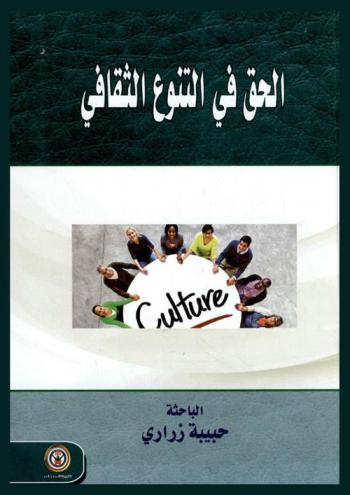
الحق في التنوع الثقافي
إن حقوق الإنسان لا يمكن تصورها إلا من خلال الاعتراف بتنوع الثقافات اللغات الديانات ومختلف التعابير الفكرية والفنية، الاعتراف بالحق في التنوع الثقافي يشكل ضمانا هاما ضد أية محاولة للهيمنة والتعصب الذي يهدد حقوق الإنسان في هذا العالم المتعولم كما يشكل تأكيدا على الكرامة المتساوية لمختلف الثقافات ويرتكز هذا الاعتراف على الافتراض القاضي بأنه مهما كانت الثقافة في مستوى تواضعها فإنها تشكل جزءا من التراث الإنساني المشترك وتستحق بذلك الاعتراف، وحماية الحق في التنوع الثقافي لصالح مختلف المجموعات والدول التي تحدد احتياجاتها الأساسية ورؤيتها للعالم مع السماح بانفتاح الثقافات على بعضها. وعليه تأتي هذه الدراسة لتوضيح الأسس الفلسفية والقانونية للحق في التنوع الثقافي والذي يشكل حقا يستحق الإحاطة به وفهمه والدفاع عنه، الحفاظ عليه وحمايته، خاصة تراجع عالمية حقوق الإنسان لتغييبها وإقصائها للحق في التنوع الثقافي واستعمال الخصوصيات الثقافية لانتهاك الحقوق المضمونة في القانون الدولي أو الحد منها، كما تعرضنا إلى معاودة بروز هذا الحق في ظل ظروف ومتغيرات جديدة من قبيل تصاعد المطلب الهوياتية والحقوق الثقافية، إضافة إلى الاستبعاد الثقافي لبعض المجموعات وفشل العديد من نماذج التنمية.
Book

Multilingualism in Algerian Primary Schools
This research aims to investigate the effects of multilingualism in primary schools and its implications for pupils' language proficiency and cognitive development. It seeks to provide insights into effective educational strategies that harness the benefits of multilingualism in the Algerian primary school settings. This study has a mixed method research design. The research instruments were implemented include questionnaire, classroom observation, and test. The results were analyzed with the regard to the statistical elements (means, standard deviations) and the percentages presented. The findings highlight the positive effects of multilingualism on the linguistic and cognitive development, emphasizing the potential advantages it offers. Multilingual individuals demonstrate enhanced language skills, such as improved vocabulary acquisition, greater metalinguistic awareness, and heightened language-processing abilities. Moreover, the study explores the potential cognitive advantages associated with multilingualism, including enhanced executive functions, improved attention control, and cognitive flexibility.
Journal Article
الهوية والاختلاف والتعدد : مقاربات في المجتمع والدين والسياسة
يطرح هذا الكتاب رؤية فلسفية ونقدية لثلاثية \"الهوية، والاختلاف، والتعدد\" بوصفها من أكثر القضايا إلحاحاً في الفكر العربي المعاصر. يستعرض المؤلف مصطفى بن تمسك كيف تتشكل الهويات في ظل الصراعات السياسية والتحولات الاجتماعية، محذراً من تحول الهوية إلى \"انغلاق\" يقصي الآخر. يبحث العمل في مفهوم \"الاختلاف\" ليس كعائق، بل كقيمة مضافة تثري المجتمعات التعددية، ويحلل آليات إدارة التعدد في السياقات الدينية والسياسية المعاصرة. يناقش الكتاب أيضاً إشكاليات المواطنة، والاعتراف بالآخر، وكيفية بناء عقد اجتماعي يحترم التنوع الثقافي والفكري. يهدف الكتاب إلى تأصيل ثقافة التسامح من منظور فلسفي يفكك خطابات الكراهية والإقصاء، مما يجعله مرجعاً أساسياً للباحثين في الفكر السياسي المعاصر، وعلم الاجتماع الثقافي، وقضايا التحديث في العالم العربي.
BOOK

إعادة النظر في التعددية الثقافية : التنوع الثقافي والنظرية السياسية
يتناول هذا الكتاب موضوع التعددية الثقافية، من خلال عرض الأفكار والنظريات المتعلقة بهذا الموضوع منذ أفلاطون وأرسطو وصولا إلى التصورات الليبرالية المعاصرة، ويبني معرفته الجديدة على أساس من نقد المعارف السابقة التي يبين قصورها ومثالبها. وينطلق بيخو باريخ من عدة مسلمات، منها أن ليس ثمة مجتمع حديث، مهما بلغت درجة تجانسه ولحمته ووحدته الوطنية، إلا ويتكون من عدة مجتمعات ثقافية محلية، والخصوصية تظهر بالتالي خصوصيات، ويفترض بعملية المواءمة بينها الانطلاق من حقيقة أن الثقافة ليست، ولا يمكن أن تكون، كلا عضويا متجانسا ومتسقا، بل تعيش توترات وتجاذبات داخلية، وتعاني انقسامات متعددة المحاور، تبعا للجنوسة والطبقة والدين وصراع الأجيال والتركيز الجغرافي والتجمع الديموغرافي والانتماء الإثني. إضافة إلى أنها مفهوم ذو امتدادات سلطوية، تفرضها وتمأسسها وتشرعنها مختلف الفعاليات السياسية والاقتصادية والاجتماعية، ومن بينها الدولة، فتساعد على تكريس هيمنة إحدى الفئات الثقافية على الأخريات، وباعتبار أن المجتمعات الحديثة هي نتاج قرون طويلة من التجانس الثقافي الذي رضته الدولة القومية، اعتدنا تجاهل تلك التوترات ومساواة الوحدة بالتجانس والمساواة بالتماهي لدرجة أننا \"أصبحنا نشعر بالتشتت والارتباك الأخلاقي والشعوري أمام المطالب السياسية لتنوع ثقافي عميق وجرئ لا نعرف تماما كيفية التعامل معها\".
BOOK

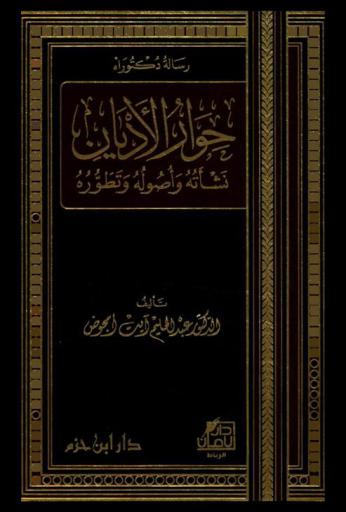
حوار الأديان : نشأته وأصوله وتطوره
إن الدعوة إلى الحوار أصبحت ضرورة ملحة تفرضها الصراعات الحضارية القائمة وتقتضيها المشاكل والأزمات الدولية العديدة ولهذا شاعت بين الناس عبارات كثيرة من قبيل حوار الأديان والحوار الإسلامي المسيحي وحوار الحضارات والحوار العربي الأوروبي لذلك أكتسبت الدعوات إلى الحوار والأبحاث الكاشفة لضروراته ومآلاته منزلة كبرى وفي هذا السياق يندرج هذا العمل الذي أنجزه الدكتور عبد الحليم آيت أمجوض هذا الكتاب.
Book
The Development of Multimodality as a Recent Trend in Linguistics
Semiotics or semiology (from the Greek, sēmeion, means 'sign') is an expression which stands for the science of signs. Semiotics is generally defined as the study of the sign. Sign is anything which stands for something else. The history of semiotic science returns back to medieval ages. However, semiotics gains its technicality after the first half of the twentieth century. Semiotics is explored by its founders Ferdinand de Saussure and Charles Peirce. After them, many semioticans develop the study of sign system like Roland Barthes, Umberto Eco, Marshall McLuhan, Algirdas J. Greimas, Charles Morris, and Roman Jakobson. Due to the recent development in media and in means of communication, there is a new shift from mono-sign system to multimodality. Based on Halliday's SFL, O'Toole's The Language of Displayed Art (1994), Kress and van leeuwen's Reading Images: The Grammar of Visual Design (1996/2006). Multimodality occurs as a basic theory of communication and social semiotics; it is the use of several modes of communication other than language. This article aims to review definitions of Semiotics and Social Semiotics, Visual Social Semiotic and Multimodality.
Journal Article