
Catalogue Search | MBRL


Are you sure you want to remove the book from the shelf?

{{itemTitle}}
558
result(s) for
"الحبوب"
Sort by:

الفورولوجوس φορόλογος في مصر خلال العصرين البطلمي والروماني \في ضوء الوثائق البردية\
أشارت بعض الوثائق البردية والنقوش إلى مسؤولين يطلق عليهم اسم φορολόγοι، وكانت مهمتهم الإشراف على جمع ضريبة الحبوب، وتوزيع البذور على مزارعي أراضي الدولة δημόσιοι γεωργoί وعلى مزارعي الضياع οὐσιακὸς γεωργός، وقد وردت كلمة φορόλογος في الوثائق البردية بمعنى المشرف على جباية ضريبة الحبوب وتوزيع البذور. وظهر الفورولوجوس حسب الوثائق البردية منذ منتصف القرن الثالث قبل الميلاد، وتحديدا حوالي عام ٢٥٥ ق.م، وظهر في وثائق القرن الأول الميلادي، وتحديدا عام ١٢م، واختفي منذ ذلك التاريخ ثم عاد للظهور مرة أخرى في بداية القرن السادس الميلادي عام ٥٠٠ - ٥٣٩م، ولم يقتصر ظهور الفورولوجوس في مصر فقط، وإنما أثبتت النقوش أيضا ظهوره في ولاية تراقيا الرومانية؛ لذا يهدف البحث الذي بين أيدينا إلى دراسة الفورولوجوس في مصر خلال العصرين البطلمي والروماني في ضوء الوثائق البردية؛ من خلال توضيح عدة نقاط، وهي: تعريف الفورولوجوس، وبداية ظهوره، وأسباب اختفائه في فترات معينة، وكيفية تعيينه، ومعرفة عدد الفورولوجوس، ومهامه، ومرؤوسيه، ومكانته الاجتماعية.
Journal Article

النظام البيئي والتدهور الحيوي في تخزين الحبوب
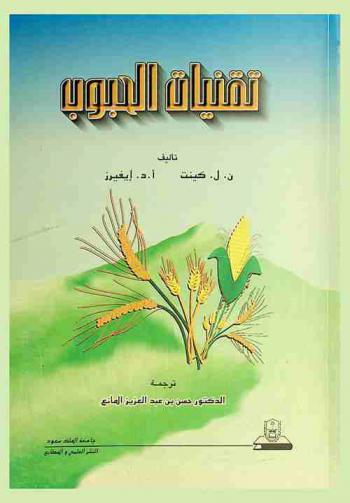
الحبوب مصدر أساسى لغذاء الانسان بطريقة مباشرة أو غير مباشرة فهو يعتمد عليها كأحد مصادر الحصول على الطاقة كما أن ما يحصل عليه الانسان من غذاء حيوى متمثل فى لحم وبيض وحليب يكون نتاج تغذية الحيوان على الحبوب إضافة إلى الأعلاف الخضراء ويبلغ الإنتاج العالمى للحبوب نحو 2250 مليون طن يفقد منها نحو 10 % أثناء التخزين نتيجة لمهاجمة الافات الحشرية والحيوانية ولتدهور صفات الجودة بفعل الكائنات الحية الدقيقة والذى قد يصل الى حد الفساد يعنى ذلك أن 225 مليون طن من الانتاج العالمى للحبوب تفقد أثناء التخزين فى وقت يعانى فيه 920 مليون نسمة من سكان كوكب الارض من الجوع ما احوجنا إلى اختزال تلك الخسائر لتوفير الغذاء للبشر واختزال أعداد الجوعى هذا ما يحاول الإنسان الوصول إليه وهذا ما يحاول أن يسهم به هذا الكتاب.
Book


تنظيم التفريع في الحنطة و علاقته بحاصل الحبوب : 1. نسب مساهمة الساق الرئيس و الفروع الأولية في عدد السنابل و حاصل الحبوب
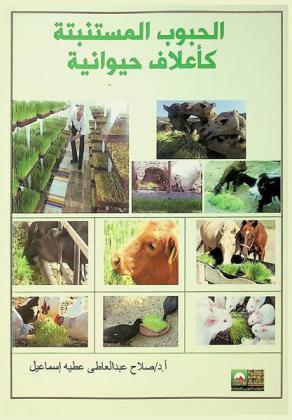
A Factorial experiment was conducted at the experimental farm of Field Crop College of Agriculture University of Baghdad winter Season of 2014-2015. The study was aimed to investigate the effect of seeding rates and nitrogen levels on regulation of tillering in wheat and its relationship with grain yield and components. Treatments were distributed in the Factorial experiment within Randomized Complete Black Design with three replicates and four seeding rates 60,80,100 and 120 kg ha-1 and fertilized with four nitrogen levels 50,100,150 and 200 kgN.ha-1. The results showed that there were significant differences within two factors and their interaction on the number of spikes and grain yield. Main stem produced the highest number of Spike 210.00 spike.m-2, and grain yield 3.050 tan ha-1 compared to primary tillers (tiller1,tiller2,tiller3). Concerning the seeding rate 80 kg ha-1 resulted in the highest number of Spike.m-2 363 spike and Grain yield 4.775 tan.h-1 compared to other seed rates. The N level 150 kg ha-1 gave the highest number of spikes 382 spike and grain Yield 4.919 tan.h-1 compared to other N levels. The percentage of contribution main stem 50.82, 64.57 % respectively compared to the tillers (tiller1, tiller2, tiller3) which amounted to 32.55, 12.80 and 3.80 % respectively in the spikes number, and 26.02, 7.90 and 1.33 % respectively in grain yield. It could be conclude that the total contribution of the primary tillers percentages represents a half the total number of spikes within two factors of study, while the total contribution percentages of primary tillers is amounted to half the main stem contribution in the grain yield within two factors of study.
Journal Article

تنظيم التفريع في الحنطة و علاقته بحاصل الحبوب : 2. نسب مساهمة الساق الرئيس و الفروع الأولية في عدد السنيبلات و عدد الحبوب و وزن 1000 حبة
A Factorial experiment were conducted at the experimental farm of Field Crop College of Agriculture University of Baghdad Jadiria the winter Season of 2014-2015. This study was aimed to investigate the effect of seeding rates and nitrogen levels on Regulation of tillering in wheat and its relationship with grain yield and it's components. Treatments were
distributed in Factorial experiment within Randomized Complete Black Design (RCBD) with three replicates and with four seeding rates (60,80,100 and 120 kg.ha-1) and fertilized with four nitrogen levels (50,100,150 and 200 kgN.ha-1). The results showed that there were significant differences between two factors of study and their interaction on the number of spiklet, grain number and 1000 grain weight during the growing season. Main stem produced the highest average of spiklet number 19.23 spiklet.spike-1, grain number 46.82 grain.spike-1 and 1000 grain weight 41.739 compared to other primary tillers (tiller1,tiller2,tiller3). Concerning the seeding rate 60 kg.ha-1 resulted in the highest average of spiklet number 16.24 spiklet.spike-1, grain number 32.95 grain.spike-1 and 1000 grain weight 27.52 compared to other seed rates. The N level 100 kg.ha-1 gave the highest average of spiklet number 16.49 spiklet.spike-1, grain number 32.95 grain.spike-1 and 1000 grain weight 27.52 compared to other N levels. The Main Stem and Primary Tillers contribution Differed in the Number of Spiklet, Grain Number and 1000 grain weight between the factors of study, where the percentage contribution of main stem 31.65, 38.26 and 37.28 % respectively compared to the tillers (tiller1, tiller2, tiller3) which amounted to 27.43, 24.79 and 16.14 % respectively in the spiklets number, 28.00, 23.36 and 10.38 % respectively in grains number and 31.80, 20.37 and 10.56 % respectively in 1000 grain weight. We conclude that the total contribution of the primary tillers percentages in the Number of Spiklet, Grain Number and 1000 grain weight Exceeds the contribution of main stem an increase of 53.69 and 38.03 and 40.56 % respectively within two factors of study.
Journal Article


The Grain Transport to Kerke Harborin Roman Egypt
Kerke harbor-on the borders of Arsinoite and Memphite nome- was one of the Nile harbors which had an important role in transporting the grain from Chora to Alexandria. The aim of this article is to investigate the grain transport process to Kerke in Roman Egypt by examining the documents of Kerke. These documents furnish three matters of interest which are: Kerke harbor was the destination of grain cargoes from Karanis, Philadelphia and other villages, the grain transport process was most likely done by donkey, and the cultivators had to pay some supplementary charges along with the grain tax.
Journal Article