
Catalogue Search | MBRL


Are you sure you want to remove the book from the shelf?

{{itemTitle}}
661
result(s) for
"الخرافات"
Sort by:
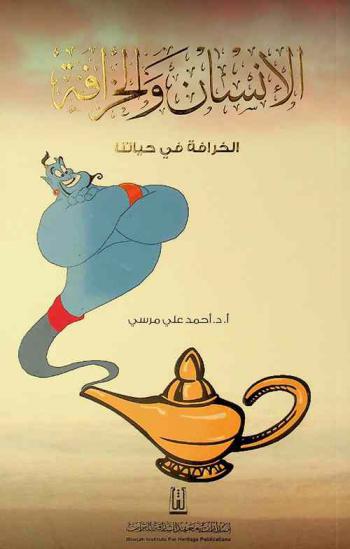
الإنسان والخرافة : الخرافة في حياتنا
شغل موضوع العلاقة بين الأسطورة والخرافة والعلم كثيرا من الدارسين والباحثين في مختلف العلوم الإنسانية، ووقف معظهم موقفا معاديا بل شديد العداء من الخرافة وأنماط التفكير والسلوك المرتبطة بها، مقررين أنها مناقضة للعلم والعقل ناسبين إياها للمختلفين حضاريا الذين لا يأخذون بالعلم وأسبابه، والحقيقة أن الخرافة تشترك مع العلم رغم تناقضهما بالطبع في تحقيق مجموعة من الوظائف المهمة التي يحتاجها الإنسان، إنهما يشتركان في تفسير الظواهر والأشياء الغامضة التي تقلق الإنسان وتحيره وتقض مضجعه وتفقده الشعور بالراحة والأمن والطمأنينة.
Book

A Semantic Interpretation of W. B. Yeats' \The Second Coming \ and \Leda and the Swan \in Terms of the Employed Mythical
The present study aims to provide a semantic interpretation of the poems of the poet William Butler Yeats \"The Second Coming\" and \"Lida and the Swan\" in light of the importance of employing vocabulary with mythological connotations. The method of studying myth in literature is the approach used to highlight the importance of employing vocabulary with mythological significance according to their occurrence in the two poems, \"The Second Coming\" and \"Lida and the Swan\" was presented with reference to the repeated occurrence of certain vocabulary bearing mythological connotations The study includes a comprehensive view of the role of myth in literature in general and in the poetry of the poet William Butler Yeats in particular. Those vocabulary with mythological significance are classified into several types, some of which are religious, some political and some of which is historical. The connection between the vocabularies mentioned in the two poems and between the semantic meanings contained in the myth indicates the poet's creative style in communicating the two poems' themes and their essence... The research was concluded with some conclusions, two annexes and a list of References.
Journal Article

الإنسان الحائر بين العلم والخرافة
هذا الكتاب هو محاولة لاستبطان حيرة الإنسان المعاصر وهو يقف في هذا المفترق الحرج بين طريقين متناقضين في التفكير. كما يكشف تورط بعض العقول في تبني الكثير من الأفكار الخرافية لتفسير بعض الظواهر المعقدة وإسهام وسائل الإعلام في ترويجها. كما يؤكد الكتاب أن العجز المرحلي للعلم عن تفسير بعض ظواهر الكون لا يعني أن نندفع إلى الخرافة قفزا على قواعد التفكير السليم التي أثبتت قدرتها على تحقيق إنجازات هائلة انتقلت بالبشرية نقلة نوعية حاسمة، وبدلا من ذلك فإن علينا مواصلة البحث العلمي وتشجيعه لنستكمل رحلة الإنسان إلى عالم المستقبل وليس إلى غياهب الماضي.
Book

المضامين الرمزية للتراكيب الزخرفية والكتابات المنفذة على طاسة الخضة وأثرها في العلاج النفسي
بالرغم من التقدم الكبير الذي شهدته الحقبة الإسلامية بشتى أنواع العلوم ولاسيما في المجال العلاجي الطبي والاهتمام الكبير بتشييد البيمارستانات، وإعداد الأطباء الذين أحدثوا ثورة علمية هامة في مختلف العلوم الطبية، إلا أن المجتمع لم يتخل عن وسائل العلاج والتطبيب الشعبي والنفسي الذي توارثوه عبر الأجيال وذلك بما كان سائد من أن المرض عبارة عن وهم من أن أرواحا شريرة سيطرت على جسد المريض يؤثر على تفكير الإنسان فيسيطر عليه، فلجأ الناس إلى طرق علاج تقليدية بدائية كالضرب لإخراج تلك الأرواح من جسد المريض، أو اللجوء إلى السحر الطبي التعويذي كاستخدام وسائل علاجية مثل طاسات الخضة التي تتضمن رموز طلسميه بالإضافة إلى السور القرآنية التي حملت في مضامينها آيات الشفاء.
Journal Article


Of Courtiers and Kings
Holm's book is an innovative approach to the biblical Book of Daniel. It places Daniel against the background of story-collections, an ancient genre that began in Egypt in the mid-second millennium B.C.E. This work focuses on Daniel 6–4 and provides detailed comparisons with specific bodies of story-collections and other related material from the Ancient Near East. In this regard, special attention is given to Egyptian court tales, a large corpus mostly neglected by previous biblical scholars. Thus, this book brings new evidence and fresh insights to the field of Daniel studies, which in recent years has generated constant interest, especially as it pertains to textual issues and literary matters.
Setting Daniel against an explicit definition of the story-collection genre redefines a vast array of questions concerning textual criticism, compositional history, and the overall nature of the book. For instance, the divergent texts of the narrative parts of Daniel (the Masoretic text and the Greek editions in Theodotion and the Septuagint) now need to be described in part as variant editions, or tellings, of a common core material, rather than as translations of older written texts with clearly traceable genealogies.
When Daniel is studied in the context of story-collections and kindred compositions from the Ancient Near Eastern and neighboring literatures, new light is shed on the literary traditions and processes from which the Daniel stories arose. There are a greater number of court tales and cycles than previously recognized, as in the case of Qumran but also the Egypt Demotic corpus. The detailed discussion of all these materials allows us to appreciate the Book of Daniel in a much wider literary milieu and it furthers our understanding of the history of its composition and early transmission.
eBook