
Catalogue Search | MBRL


Are you sure you want to remove the book from the shelf?

{{itemTitle}}
2,947
result(s) for
"السيرة الذاتية"
Sort by:
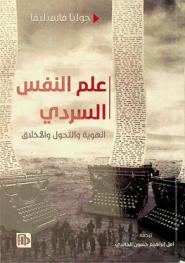
علم النفس السردي : الهوية والتحول والأخلاق
يبحث مجال علم النفس السردي في قيمة القصص وروايتها لإعطاء معنى لتجارب الأفراد من خلال تشكيل ذاكراتهم للأحداث الماضية، وفهمهم المحاضر، وتوقعاتهم للأحداث المستقبيلة، من أجل التعرف على أنفسهم وحياتهم. فهو ينطوي على عملية قياس السلوك البشري وتفسيره. ويعد أيضا منظورا أو تركيزا داخل علم النفس، وليس تخصصا منفصلا، إذا هو التسمية الشاملة للمناهج السردية في مجموعة متنوعة من مجالات البحث في علم النفس، مثل علم نفس الشخصية وعلم نفس النمو.
Book

أثر القصدية في كتابة الأنثروبولوجيا في السيرة الذاتية
يهدف البحث إلى اكتناه أثر القصدية في كتابة الأنثروبولوجيا، داخل بنيات السير الذاتية في المملكة العربية السعودية، بوصف هذه القصدية واحدة من الدوافع الكتابية التي تعمل على تشكيل النص المكتوب، ورسم ملامحه، وقد تم تقسيم البحث إلى مقدمة، وتمهيد، وثلاثة مباحث؛ تحاول قراءة القصدية الأنثروبولوجية في التصاقها بالدافع الذي أملى على الكاتب كتابة سيرته الذاتية، وهي قصدية الكتابة الأنثروبولوجية، وقصدية التوصيف الأنثروبولوجي، وتعدد القصدية، وتوصلت الدراسة إلى أنه يمكن من خلال التموقع القرائي ربط الدافع الأكبر من القصدية الكتابية التي يرومها الكاتب بحياته المرتبطة بالإنسان الممثل لجماعته، فهي مفرد بصيغة الجمع، خاضعة للنظام الجمعي، الذي يسيج السلوك الإنساني، وهذا -بحسب التأويل الذي تهدف إليه الدراسة- مرتبط بالأنثروبولوجي.
Journal Article


أشكال حضور الذات الشاعرة فى شعر عثمان لوصيف
تعد قصيدة السيرة الذاتية (Poème Autobiographique) واحدة من الأجناس الأدبية التي سعت في زمن المنهجيات الحديثة إلى البحث عن شعرية خاصة بها، وإثبات حضورها في فضاء القراءة بوصفها نوعا أدبيا جديدا، برز إلى الوجود من تلاقح جنسين أدبيين هما: الشعر، والسيرة الذاتية، حيث إن محور السرد في هذا الجنس الأدبي الجديد هي الذات الشاعرة (لأنا). ولعل تجربة الشاعر \"عثمان لوصيف\" من بين أبرز تجارب الشعراء الجزائريين المعاصرين الذين جسدوا هذا النوع الأدبي المستحدث من خلال أعماله الشعرية. تسعى هذه المقاربة إلى البحث في تجليات قصيدة السيرة الذاتية في النصوص الشعرية لهذا الشاعر، عن طريق استجلاء أشكال حضور الذات الشاعرة فيها، مع الاشتغال على إبراز تمظهرات الضمير و الميثاق السير ذاتي.
Journal Article
Contesting Bloomian Anxiety
Azar Nafisi's memoir, Reading Lolita in Tehran (2003), is noted for its subtitle, A Memoir in Books, since major literary works are interwoven into the very fabric of her account of her life story, thereby typifying Julia Kristeva's concept of intertextuality. The memoir is divided into four sections, each framed in relation to well-known novels and writers. In so structuring her book, Nafisi may be said to contest Harold Bloom's theory of the anxiety of influence, which, as he postulates, results from a psychological struggle to gain aesthetic strength. While Bloom's perception of influence denigrates intertextual connections as the source of the author's/poet's uneasiness with his/her predecessors, Nafisi's recourse to canonical texts is a coping mechanism. It is the aim of this paper to examine Nafisi's memoir vis-a-vis Bloom's theory of influence, showing how she absolves herself of any impending anxiety through an array of Western classics that intersect with her writing, instead of having her talent belligerently pitted against them. In so doing, influence may be said to wield a liberating impact, rather than being the source of a writer's anxiety and incapacitation. In contradistinction to Bloom's theory of influence, Kristeva's notion of intertextuality may be said to offer an apt lens through which Nafisi's memoir can be read.
Journal Article

Depicting Desperation, Fanhood and Commitment in the British Movie Blinded by the Light \2019\
This article examines the representation of the life of the British journalist Sarfraz Manzoor in the biographical film Blinded by the Light (Gurinder Chadha, 2019). The aim is to examine the different procedures used by the film director to portray the boyhood of Manzoor who finds salvation in the music of Bruce Springsteen. To answer the research question, a film analysis was carried out and also careful consideration was given to the reception of the movie. The movie portrays the desperation of the main character Javed and introduces the music of Springsteen. Also, the film focuses on commitment. The study contends that Blinded by the Light can be regarded as an unconventional musical biopic about Springsteen although it depicts the conflicts and hopes of the teenager Manzoor.
Journal Article

Geopolitics of Home in Ghada Karmi's in Search of Fatima
This paper tackles the changed perception of Home due to geopolitical changes. It is a study of Ghada Karmi's two English memoirs In Search of Fatima: A Palestinian Story and Return: A Palestinian Memoir. Analysed through settler-colonial studies lens, this paper analyses how far Goldberg's racial palestinianisation practices of ethnoracial eviction, culling and purging have distorted the Palestinian ubiquitous experiences across different spatialities and temporalities. This paper is divided into two parts: the first discussing the collective Palestinian experience in the Occupied Palestinian territory and the second discussing Karmi's personal experience back Home, in exile and back Home again after the Zionist settler-colonial project has been consummated. The first explores how far racial palestinianisation practices amount to prison practices precisely Jeremy Bentham's panopticon and the American Pelican Bay prison turning the Palestinians experience to one defined by precarity and confinement. The second one delves into Karmi's personal experience of uprootedness, and her rite of passage defined by precarity, loss of H/home, and perplexity of her Palestinian identity. Home has changed from a stable space where one can return to and enjoy its warmth and security to a precarious spatiality defined by danger and confinement.
Journal Article
