
Catalogue Search | MBRL


Are you sure you want to remove the book from the shelf?

{{itemTitle}}
3,918
result(s) for
"الصوفية"
Sort by:

المعراج الصوفي : رحلة عبور من الموجود إلى المنشود
يقدم نور الدين المكشر في هذا الكتاب قراءة تأويلية معمقة لتجربة المعراج في التصوف الإسلامي، بوصفها رحلة رمزية من عالم الحس إلى عالم المعنى، ومن الموجود إلى المنشود. يستند المؤلف إلى نصوص صوفية كلاسيكية، ويحللها من منظور فلسفي وأنثروبولوجي، كاشفا عن البنية الرمزية للمعراج بوصفه فعل عبور داخلي، لا مجرد حدث خارجي. يربط المكشر بين المعراج كأدب روحي وبين المتخيل الصوفي، حيث تتداخل الرؤى، والأحلام، والرموز، لتشكل سردية ذاتية تسعى إلى تجاوز الزمان والمكان. الكتاب مساهمة فكرية في فهم البعد الجمالي والميتافيزيقي للمعراج، ويعيد الاعتبار للخيال الصوفي كأداة للمعرفة والتجاوز.
BOOK

Sufi Experience and Symbolic Language
This paper explores the intricate relationship between the Sufi experience and its symbolic language. The research delves into two fundamental assumptions. The first assumption challenges the confinement of language interpretation within the bounds of the literal, urging exploration of deeper, abstract meanings. It posits that language must transcend visible boundaries to touch the unseen and extend into the realm of abstract concepts. The second assumption refutes the notion of constraining words to sensory realities, placing a strong emphasis on the importance of infusing words with meaningful content. Neglecting the task of imbuing words with semantic charges results in rendering language devoid of significance and stripping it of its pivotal element, namely metaphor.The Sufi surpasses the limits of the observable world, connecting with the unseen through moments of revelation. This connection communicates through symbols and signs, bridging the gap between surface expressions and deeper meanings. The Sufi adept utilizes a symbolic language of love, unity, and tolerance, speaking through hints rather than direct statements. The Sufi uncovers this symbolic language after experiencing heightened consciousness and perception beyond ordinary awareness. This research adopts an aesthetic analysis method to explore the Sufi experiences. In conclusion, this research uncovers how the power of emotion shapes the Sufi experience, opening language to abstract interpretations. It underscores the reception of meanings through \"indications\" and the extraction of meanings from open-ended words, transcending apparent meanings. This aligns with interpretive approaches to the Quran that hinge on \"inspiration\" and \"deduction,\" both connected to symbolic language and imagination. The article contributes to understanding the intricate world of Sufism and its profound language of symbolism, revealing its potential to convey truths that go beyond the constraints of ordinary language.
Journal Article


الخواطر وأنواعها عند الأمام أبن أبي جمرة في كتابه \بهجة النفوس\ في ضوء منهج أهل التصوف
فإن هذا البحث يتناول جزءا بسيطا من فكر الإمام الحافظ ابن أبي جمرة في كتابه بهجة النفوس، وهذا الجزء يتمثل في موقفه من التصوف الذي يتمحور حول مسائل عدة وكذلك القضايا الصوفية التي طرحها الإمام في كتابه هذا. ومن تلك المسائل هي (الخواطر وتمييزها عند الإمام وموقفه منها)، وقد عرفنا الخواطر لغة واصطلاحا، ثم بينا موقف أهل التصوف من هذه المسألة، وبعد ذلك ذكرنا الخاتمة وأهم ما توصلنا اليه من النتائج.
Journal Article
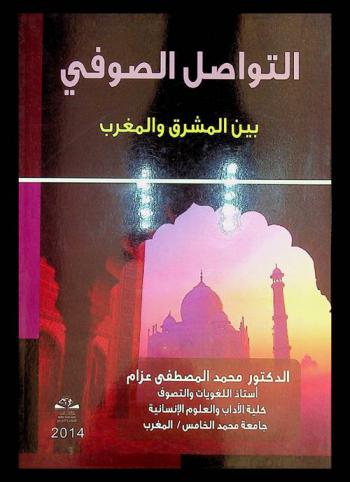
التواصل الصوفي بين المشرق والمغرب
يتركز الكتاب على أحد أبرز وأعظم تجليات الصلات بين المشرق والمغرب وهو التواصل الصوفي، ناهيك بأن الباحث مختص علميا في التصوف بل وممارس لمجاهداته عارف بمواجيده وأسراره، مما أضفى على عمله الجديد صبغة علمية عميقة سلطت الضوء على تاريخ ومظاهروحوافزهذا التواصل بقدر ما كشفت عن حقيقة التصوف من الداخل وقصد الكاتب تعزيز رصيد البحث المغربي في هذا الميدان.
BOOK


أسس الصوفية
يقدم هذا الكتاب الذي يجمع أفكار الصوفيين من كل الأديان ومن كل البلدان ومن كل اللغات ليكون إضافة جديدة في هذا الميدان الذي ينتصر لمبادئ الحب والخير والمال أن الصوفية هي طريق الحب طريق الخلاص وطريق المعرفة ليس هناك مقاربة منهجية واحدة لتعاليم الصوفية كما لا يمكن لتعاليمها أن تنقل بالكلمات فقط فحكمة الصوفية يمكن أن توجد في القصص والشعر والفن والخط والطقوس والتمارين والقراءات والحركات الراقصة والصلاة.
Book

الدور الإجتماعي والسياسي للتصوف
تطورت الصوفية-وبخاصة من جماعة الصوفيين (الطريقة) -تطورا كبيرا في تاريخها الطويل. حيث تهدف وتدعو إلى التقوى وعبادة الله في الأيام الأولى من تطورها. وردا على انتقادات قامت بها السلطات. ثم تطورت إلى السلطة الاجتماعية والسياسية، وأنصار القوة الاقتصادية في معارضة الطغيان، حتى كان التصوف يتطور وصار طريقة مشهورة في خضم الشعب والأمة. هنا لم تعد جماعة الصوفية تعليما وممارسة دينية ثابتة وقديمة، ولكن دينامية جداً مع دور الناس في بناء العالم النامي.
Journal Article


Analytical Review of the Evolution of the Mystic Personality According to the Prose Book of Sufi at Second to Eighth Centuries
In Islamic culture, the titles of what is later called the \"evolution of the mystic personality\" have been raised as religious, moral and spiritual concepts in the Holy Qur'an and the Sunnah of the Prophet (pbuh), and gradually and in varying degrees in the practice of the Companions and the followers and other Muslims Then, with regard to the inner and spiritual aspect of the states and authorities, and due to changes that are created in the human soul, moral and religious concepts have been promoted to the inner paths of conduct and have covered the gospel of \"mystical terms\". This article aims to investigate the evolution of the mystic personality according to the narrations of prose books of Sufi from the second to the eighth century through the library method and in a historical way.
Journal Article