
Catalogue Search | MBRL


Are you sure you want to remove the book from the shelf?

{{itemTitle}}
113
result(s) for
"العرب إيران تاريخ"
Sort by:
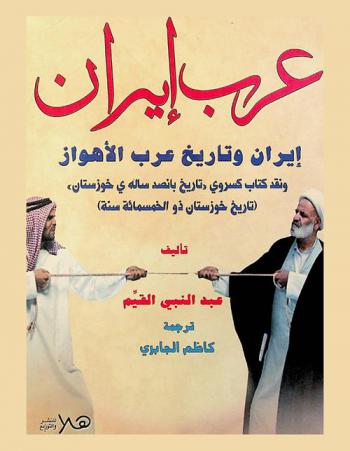
عرب إيران : إيران وتاريخ عرب الأهواز ونقد كتاب كسروي \تاريخ بانصد ساله خوزستان\ : (تاريخ خوزستان ذو الخمسمائة سنة)
يعرض الكتاب الذي بين أيدينا التسميات المختلفة التي أطلقت على هذا الإقليم وبالإضافة إلى أهم الحكام الذين تناوبوا حكمه وكذلك الصراعات التي دارت فيما بينهم وبين البريطانيين، كما يتناول أهم الكتب التي عرضت لتاريخ الأهواز ويخص منها بالنقد والتحليل كتابا يعد من أهم المؤلفات وأكثرها إثارة للجدل في تاريخ خوزستان إلى جانب أنه أحد المصادر الأساسية في تاريخ الأهواز ألا وهو كتاب (تاريخ بانصد ساله ي خوزستان) للسيد أحمد كسروي التبريزي وفي إطار سعينا لإثراء المكتبة العربية بما تفتقر إليه من هذه النوعية من الكتب.
BOOK

الأهواز : تاريخها السياسي والحضاري في العصور الإسلامية الأولى
إن هذا الكتاب هو محاولة للوصول إلى إجابات مقنعة على تلك الأسئلة، ففيه تناولت قصة الإسلام وحضارته في إقليم مهم من الإقاليم التي أسهمت في بناء صرح الحضارة الإسلامية وإقليم الأهواز وقد كان من المهم إن أمهد الموضوع بالحديث عن التاريخ السياسي و الحضاري للأهواز منذ عهد العيلاميين وحتى الفتح الإسلامي وحاولت قدر جهدي حسم موضوع تسمية الأهواز وهو موضوع يوليه البعض حاليا أهمية كبيرة معتبرا أياه جزءا من أجزاء الصراع العربي الفارسي والذي ازداد سخونة من تطورات المشهد على ساحة العزة السورية وفي مجال االتاريخ السياسي عرضت لكيفية فتح الأهواز كما سرت مع هذا التاريخ حتى نهاية القرن الثالث الهجري.
BOOK

The Role Zandaghah in Iranian Uprisings Against Arabs in the First Centuries AH
In the past, the word Zandaghah (Duahism, Atheism), meaning infidel and corruptor, referred to someone who acted contrary to the customary religion of the society. According to most historians, the time of its emergence during the Sassanid rule coincided with the emergence of Mani and Mazdak. Zandaghi thinking was a kind of heresy that challenged the common thought and religion of society. With the fall of the Sassanid rule and the decline of Zoroastrianism and the spread of Islam in the land of Iran, Zandaghah thought did not disappear and retained its negative meaning as in the past. During this period, duahism became a tool to suppress and eliminate any opposition or movement against the government of the time and the Islamic Caliphate, and for many centuries maintained its position as a political weapon in the hands of the rulers of Islamic lands, especially Iran And most of the uprisings and uprisings of the Iranian people against the Arab supremacy were suppressed under the pretext of Zandaghi and opposing Islam. According to most Islamic historians such as Ibn Nadim, Yaghoubi, Masoudi, Ravandi, Dinuri and others, most of the Iranian uprisings in the first centuries originated from Zandaghah thought, not the spirit of freedom and liberation from oppression and superiority of some caliphs such as the Umayyad caliphs and Some Abbasids. The purpose of this study is to explain the thought of Zandaghi, to study the uprisings of Iranians in the early Islamic centuries, some of which were suppressed because of Zandaghi. In this way, while realizing the real purpose of the uprisings of the Iranian people against the Arabs oppression, not the religion of Islam, The fanatical and emotional views of historians and rulers of that time against the popular movements of Iranians be further clarified. The method and approach of this research is fundamental and in a descriptive and analytical form and based on the library study method and first category books and resources.
Journal Article
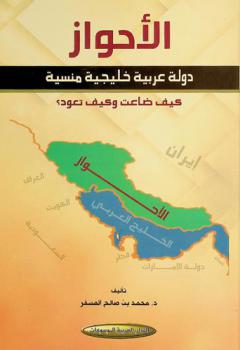
الأحواز : دولة عربية خليجية منسية : كيف ضاعت وكيف تعود ؟
يتناول كتاب (الأحواز : دولة عربية خليجية منسية : كيف ضاعت وكيف تعود ؟) والذي قام بتأليفه (محمد بن صالح المسفر) في حوالي (192) صفحة من القطع المتوسط موضوع (تاريخ الأهواز) مستعرضا المحتويات التالية : الفصل الأول : الأحواز لمحة تاريخية وجغرافية، الفصل الثاني : إقليم الأحواز بين الدول المشعشعية والصفوية والكعبية، الفصل الثالث : إقليم الأحواز بين الدول البريطاني والسياسة الإيرانية، الفصل الرابع : عرب الأحواز المواطنة والهوية، الفصل الخامس : الأحزاب السياسية في الأحواز، الفصل السادس : الحركات السنية في إيران.
Book


صهوة الفارس في تاريخ عرب فارس
كتاب تناول تاريخ العرب المهاجرين إلى الضفة الشمالية للخليج العربي (الأحواز حاليا) الهجرة التي حدثت نتيجة سقوط الدولة العباسية على يد المغول 656 هـ / 1258 م، ذاكرا أسماء القبائل والعوائل المهاجرة ومناطق استقرارهم ونفوذهم وجغرافية المكان والقرى التابعة لكل قبيلة وساردا أهم الحوادث التي تعرضت لها كل قبيلة ومصير أفرادها إلى أواخر القرن العشرين، بالإضافة إلى إرفاق بعض الصور والخرائط ومخططات شجرة العائلة لأشهر القبائل الحاكمة، قرأت أن الكتاب فيه بعض الأخطاء.
Book

من نماذج الاغتراب في الرواية النسائية الإيرانية
يلقي هذا البحث ضواء على أبرز الروايات النسائية الإيرانية التي تجلت فيها ظاهرة الاغتراب بصورة واضحة. وبما أن ظاهرة الاغتراب في الروايات المدروسة ناتجة عن هيمنة السلطتين السياسية والاجتماعية على الشخصيات الروائية، فقد قسمنا الدراسة إلى نوعين من الاغتراب هما: الاغتراب السياسي، والاغتراب الاجتماعي. وتبدى لنا، من خلال الدراسة، أن الإحساس بضرورة المشاركة الاجتماعية والسياسية هو الخطوة الأولى لتحرير الإنسان من عناصر اغترابه الاجتماعي والسياسي.
Journal Article