
Catalogue Search | MBRL


Are you sure you want to remove the book from the shelf?

{{itemTitle}}
26,480
result(s) for
"الفلسفة"
Sort by:
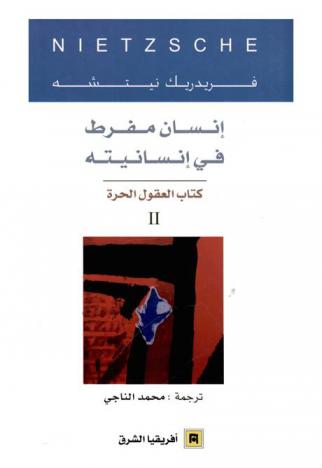
إنسان مفرط في إنسانيته : كتاب العقول الحرة /
شرع نيتشه في كتابه الكلام الذي لا يتقنه إلا الصمدتون والمعانون أشد المعاناة ... يتكلم عن أشياء لا يهمه أي شيء فيها، متصنعا عثوره فيها على منفعة ما، آنذاك تعلم فن إظهار نفسه مرحا، موضوعيا، فضوليا، وبالخصوص متمتعا بصحة جيدة وفظا، وذلك ما يبدو له أنه هو الذوق السليم لدى المريض. في كتابه هذا، كتب نيتشه قصة مرض وشفاء، لأن مجار الأمر كله على الشفاء، مجرد تجربة شخصية فقط، لتكون فقط ذلك الجزء الإنساني المفرط في إنسانيته في شخصيته.
Book
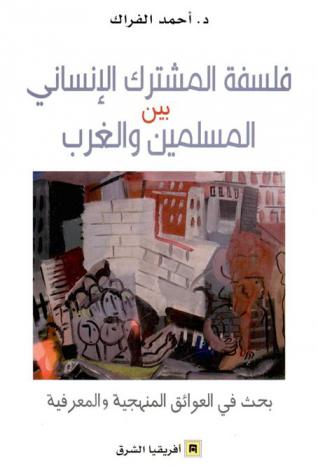
فلسفة المشترك الإنساني بين المسلمين والغرب : بحث في العوائق المنهجية والمعرفية /
جاء الكتاب ليجيب عن جملة من التساؤلات ويعالج العديد من الإشكالات المرتبطة بعلاقة المسلمين بالغرب في الحاضر والمستقبل، ويركز بالخصوص على معيقات التواصل وموانع بناء المشترك الإنساني واستثماره، وتدبير المختلف واستغلاله. وقد خصص الفصل الأول للحديث عن العوائق التي تمنع المسلمين من المشاركة في بناء المشترك الإنساني الجامع بين الحضارات المختلفة، أما الفصل الثاني من الكتاب فقد جعله للنظر في عوائق المعرفة الدينية والفلسفية في الفلسفة الغربية ووجوه منعها لبناء المشترك الإنساني خارج دائرة الغرب.
Book

Philosophy, Humanism and Development in Africa
Since the wake of a postcolonial era in Africa, philosophers have unceasingly reflected on political ideas that can serve as harbingers for social transformation and development in Africa; from socialism, Marxism, welfarism, Pan-Africanism, and Ubuntuism, to humanism. Odera Oruka is one of the foremost African philosophers whose thoughts on humanism and philosophy, though less known and controverted, entail some strategic directions for addressing the challenges of development in Africa. This paper seeks to interrogate Oruka's understanding of humanism and philosophy in Africa to explore its functional relation to the question of development. Oruka conceives humanism as the ultimate moral standard, which involves the quality and security of human life. Bemoaning the obscene disregard for humanism in Africa, Oruka hypothesizes a critical and dialectical philosophy as an antidote to what he called ARID (African Republic of Inhumanity and Death). Notwithstanding the fertile points in Oruka's thought, arguments are raised in this paper that humanism is a concept with diverse interpretations, which do not fit into one formula as Oruka depicts. Beyond Oruka's discourse on philosophy and humanism in Africa (as opposed to African philosophy and African humanism), this paper discusses the view that sees African humanism as the defining element of the Africaness of African philosophy. It consequently defends the position that African humanism can serve as a positive ideological springboard for sustainable development in Africa.
Journal Article
