
Catalogue Search | MBRL


Are you sure you want to remove the book from the shelf?

{{itemTitle}}
33
result(s) for
"الفن الروماني تاريخ"
Sort by:

الفن الروماني : دراسة
يتناول كتاب (الفن الروماني) والذي قام بتأليفه ( ثروت عكاشة) في مجلدين موضوع (الفن الروماني) مستعرضا المحتويات التالية : الفصل الأول بعنوان إنطلاقة في آفاق الفن الروماني، الفصل الثاني بعنوان الإسهام الإتروسكي، الفصل الثالث بعنوان نشأة مدينة وبزوغ حضارة، الفصل الرابع فنون القول الرومانية، الفصل الخامس بعنوان الملامح الفكرية والفنية والرومانية، الفصل السادس بعنوان العمارة الرومانية.
Book

Unpublished Cartonnage Mummy-Mask from El-Ashmounin Museum Magazine
This paper deals with a cartonnage mummy mask that is now preserved in the El-Ashmounin Museum Magazine, in Minia Governorate. This unpublished mummy mask was not studied or included in any studies concerning cartonnage mummy masks. The piece in question is made of linen and painted plaster. The cartonnage consists of a mask and three breast pieces, except for the ruined lower side parts of the mask; the piece is in a good state of preservation. The paper also aims to suggest the provenance of the cartonnage. Based on the features of Egyptian profane art during the Graeco- Roman period, this paper studies the depicted mythological scenes as well as the accompanying inscriptions. The dating of the mask goes back to the Roman era, where the face bears the features of the deceased in terms of the face, eyes, and fringes of hair, and depicted on the funeral mask scenes bearing the Egyptian traditions according to the common Egyptian funerary art style during the Graeco-Roman Period.
Journal Article
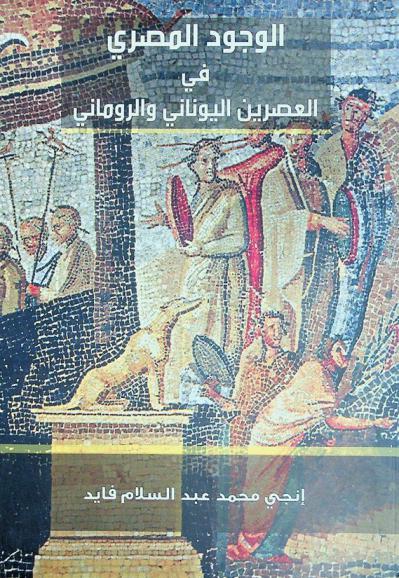
الوجود المصري في العصرين اليوناني والرماني : عن رسالة ماجستير \ التعبير عن مصر وأقاليمها في الفن الهليستي والروماني \
كتاب \"الوجود المصري في العصرين اليوناني والروماني\"، المستند إلى رسالة الماجستير بعنوان \"التعبير عن مصر وأقاليمها في الفن الهلينستي والروماني\" من إعداد إنجي محمد عبد السلام أحمد فايد، يعد دراسة أكاديمية متخصصة تسلط الضوء على حضور الهوية المصرية في الفنون التي ظهرت خلال العصور اليونانية والرومانية، رغم التغيرات السياسية والثقافية. يتناول الكتاب كيف عبرت الفنون المعمارية والتشكيلية عن مصر وأقاليمها من خلال المعابد والمقابر والمنشآت التي احتفظت بالطابع المصري، إلى جانب النحت الذي جسد المعبودات المصرية، والرسم والفسيفساء التي صورت مشاهد من البيئة المحلية، وكذلك العملات والفنون الصغرى التي حملت رموزا مصرية مثل الإلهة إيزيس. وتظهر الدراسة أن مصر لم تكن مجرد موضوع فني، بل كانت مصدر إلهام حضاري وثقافي، ما يعكس تفاعلا حضاريا عميقا واستمرارية للهوية المصرية في ظل التأثيرات الهلينستية والرومانية.
BOOK
الفن المصري القديم بين التأثير والتأثر من بداية عصر الأسرات إلى نهاية العصر الروماني
يمكن القول بأن الفن المصري القديم قبل كل شيء هو صورة معبرة لشعب أقام حياته على مبادئ الخلود واللانهائية، ومن ثم فإن جميع أعماله، معابد كانت أو تماثيل أو صور أو مصنوعات يدوية، تتميز بالتجانس الشديد، حتى أن الإنسان يستطيع أن يكشفها ويتعرف عليها من أول نظرة، بل ويستطيع أن يعثر فيها على تلك العناصر والأشكال التي تتصل بماضيها السحيق، مهما اختلفت العصور التي تنتمي إليها، هذا يرجع إلى أنها تتوافق توافقا عجيبا مع منظر الإقليم، وتدل دلالة واضحة على وحدته واستمراره، ولا يفوتنا التنويه إلى أن الموقع الجغرافي للإقليم والسياسة التي كان يتبعها الفراعنة جعلا الشعب المصري القديم حتى عهد غزواته في عصر الدولة الحديثة، يعيش فيما يشبه الوعاء المقفول بمنأى عن كل تأثير خارجي.
Journal Article

الأشكال المجسدة في الفسيفساء الروماني في مصر
يتناول هذا العمل دراسة فنية وأثرية لتحليل الأشكال المجسدة في الفسيفساء الرومانية التي ظهرت في مصر خلال العصر الروماني، مبرزا كيف عبرت هذه الأشكال عن قيم دينية، وأساطير، ورموز اجتماعية ارتبطت بالثقافة الرومانية وتأثرت بالبيئة المصرية. تبرز الدراسة تنوع الموضوعات المصورة، مثل الآلهة، والشخصيات الأسطورية، والعناصر الطبيعية والرمزية، موضحة تقنيات التنفيذ والمواد المستخدمة، مثل الزجاج والحجر المصقول. وتوضح أن الفسيفساء لم تكن مجرد زخرفة، بل وسيلة بصرية رمزية تعكس الهوية الثقافية، وتظهر تداخل التأثيرين الروماني والمصري، سواء في الطراز أو في الوظيفة التعبيرية. كما تلفت الدراسة إلى مواقع أثرية بارزة احتوت على هذه الأعمال، مثل الإسكندرية والفيوم، وتظهر براعة الفنانين المحليين في توظيف الفسيفساء كوسيلة فنية راقية.
BOOK

Des Portraits Egypto-Romaines \Anonymes\ Identifies Leurs Secteurs a Partir les Bijoux
Many of the paintings discovered in Egypt date back to the Roman era with unknown sources, because they were taken from unauthorized excavations, so they did not have any official documents. Those portraits dating back to the Roman era - from the first century to the fourth century AD - had different artistic characteristics from those of previous periods, combining the function of masks made of cardboard at the ancient Egyptians to protect the deceased, and the role of Roman funerary memorial images. Some researchers believe that the images were painted during a person's life and were kept in the home until his death, and then were used in their funeral works. The painting of those portraits spread widely in Roman times, more precisely those wrongly known as \"Portraits of Fayum\", in the same way in Roman times, also in Rome from the first century BC, which became popular throughout the Roman Empire. The artists painted these portraits on various materials, such as wood, linen, and a plaster mask made of cardboard or plaster that was then covered with mummy strips. In addition, they used various techniques on wood, sometimes painted or plastered. What distinguishes these images are the decorations, hairstyles and clothing influenced by Roman fashion. Therefore, this research aims to explore the locations of the discoveries of these portraits through a deep study of the ornaments of portraits of known source from different regions.
Journal Article
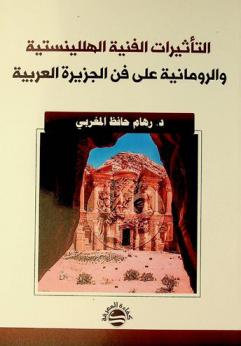

Figurines of Harpocrates the Horseman and Isis-Aphrodite in Egyptian Cultural Heritage
The fame of Harpocrates was spread all over Egypt during the Graeco-roman period. He was the third member of the Alexandrian triad. As a child deity, he was represented being suckled by his mother Isis or as a child with the traditional Egyptian side hair lock holding a finger to his mouth. Sometimes he is represented with a goose, a dolphin or a riding a horse. The latter is one of his famous forms in which he is represented in different attitudes: victorious wearing military costumes carrying attributes like a knife or a sword and an armor. Figurines of Isis-Aphrodite were also famous in Graeco-roman Egypt. She was a combination of the Egyptian Isis and the Greek Aphrodite. Isis-Aphrodite took the functions of both, represented in a standing attitude nude, or wore a dress she lifts up to reveal her lower feminine aspects as a symbol of fertility. She is usually represented with the corkscrew tresses hairstyle and wearing an elaborate headdress with the Hathoric-crown. Many of our thoughts and beliefs in modern Egypt have been linked with the ancient Egyptian traditions. The figurines of Harpocrates the horseman and Isis-Aphrodite are a good example of how the Egyptian cultural heritage has been inherited from one generation to another. Their forms were kept in the Egyptian mind and developed into the forms of sugar dolls (Aroset Elmouled) and horseman (Hosan), which have been part of the Egyptian religious ceremonies of El Mouled or Birth of Prophet Mohamed (peace upon him).
Journal Article
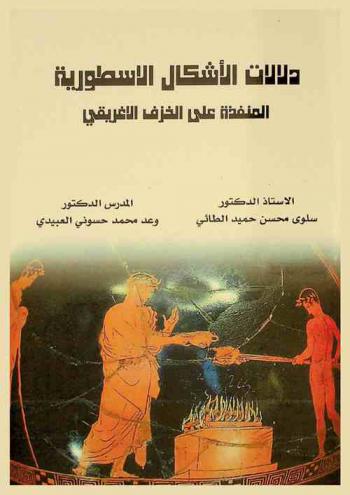
دلالات الأشكال المنفذة في الخزف الإغريقي
بأساليب مختلفة تعكس ثقافة الفنان ومجتمعه لتحمل بين طياتها دلالات ومضامين فكرية وجمالية ورمزية، كون الفن منذ العصور الأولى له وظيفة نفعية، لأنه يلبي حاجات اجتماعية (مادية ومعنوية) فهو من جانب يمثل أداة للعيش والعمل، ومن جانب آخر يستخدم في تسجيل قصص وبطولات واساطير لأغراض ترتبط بمعتقدات تلك الشعوب، ليكشف لنا الفن عن محتواه الاجتماعي. بما يحمله من اعمال فنية مختلفة تطورت ونضجت مع مرور الزمن. لذا سمح لنا الفن بفهم افضل، وبمعرفة أوسع عن جذور الحضارة والثقافة الإنسانية، وقد ظهرت فنون متعددة ومنها الخزف الإغريقي التي نفذة عليه موضوعات مختلفة، ومنها الأشكال الآدمية التي سخرها الفنان ليعبر عن الهته التي اوحاها بتلك الأشكال فأخذت مداليل متنوعة في تفسير مفهوم الاسطورة كمحاولة لتفسير مظاهر الحياة ولاكتشاف النفس البشرية، لذا شكلت الأشكال الآدمية في الفنون البصرية عاملا رئيسا لا سيما في فن الخزف الإغريقي، الذي احتل مكانة مرموقة في مجال الفنون، إذ تحمل تلك الأشكال الأدمية مفاهيم فلسفية وتعبيرية ذات مدلول متغير بحسب فكرة ونوعية الحقبة الزمنية، حيث نفذت بشكل متناوببين الواقعي والشبحي والرمزي.
Book

الفن الرمزي خلال الفترة الرومانية
عبر الإنسان خلال مرحلة ما قبل التاريخ عن حياته ومعتقداته عجر رسومات مجسدة على جدران الكهوف والصخور عبر البراري والصحاري، وجسد عاداته وتقاليده وطقوسه من خلال العلامات الرمزية. وقد ساهم عبر ذلك في التأثير على الفنون في جل الحضارات الغابرة، بحيث نجد أن الموضوعات التي اهتم بها منذ القدم قد ظلت ثابتة نوعا ما. الهدف من هذه الدراسة هو تقفي الأثر الروماني من خلال البحث عن شكل التعبير الرمزي الدال على أفكارهم، حيث عرفوا بإدخال مفاهيم جديدة عاكسة للحضارات السابقة الأخرى كما ساهموا في التأثير على الرمزية المحلية، ليشكل هذا التجانس مجموعة فنية ثقافية تعكس أفكار المجتمع الإفريقي. لذلك تنوعت الرموز المجسدة في الفن الروماني كفن النحت وفن الفسيفساء، فبالإضافة إلى كونها شواهد مادية للفكر القديم، التي يعكسها الحس الفني والخيال والواقع، فهي متعددة الأنماط أيضا، ومنها ما يتعلق خاصة بالأشكال الكونية ذات الدلالة الدينية، كالآلهة السبعة التي مثلت على بعض الشواهد الفنية الأثرية.
Journal Article