
Catalogue Search | MBRL


Are you sure you want to remove the book from the shelf?

{{itemTitle}}
38,988
result(s) for
"القرآن الكريم"
Sort by:

Notes on the Translations of Sūrat Al-Inshiqāq
This paper conducts a comparative study about four translations of surat al- Inshiqaq: Yousef Ali, Muhammad Hilali-Muhsin Khan, Pickthall and Mohammad Abdel Haleem. Multiple opinions of exposition have been provided to explore how, in certain ayas, the translators fail to find an appropriate equivalent. The translations' problems are categorized into lexical, stylistic and syntactic problems, whereas these categories also have sub-categories in order to clarify the gaps that might be encountered while translating the Qur'anic text. The problems are investigated through the theories of free and bound translation. Since religious texts, especially the sacred ones, are context based, they have different meanings, which are not easy to tackle. In conclusion, the lexical, syntactic and stylistic norms of the target language fail to match those of the Qur'an discourse because these features are far from universal.
Journal Article
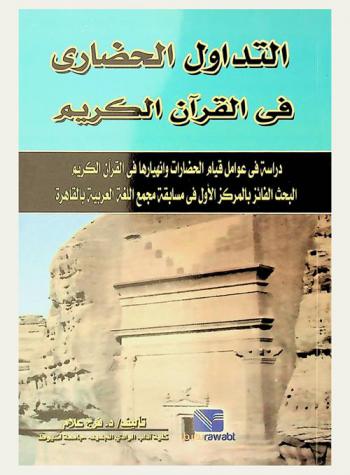
التداول الحضاري في القرآن الكريم : دراسة في عوامل قيام الحضارات وانهيارها في القرآن الكريم
تحفل الآيات القرآنية بقصص الأمم والحضارات التي امتدت لفترة من الزمان وما إن ظلمت أو طغت حتى يحل عليها غضب الله وعقابه وهو ما يختلف في أسلوبه حسب كل قوم مثل قوم نوح وعاد وثمود. وفى هذا الكتاب دراسة لعوامل قيام تلك الحضارات وانهيارها مع مراعاة عدم التكرار كذلك البحث في قضية الاستخلاف وعلاقة الإنسان بالكون. أيضا يتناول الأبعاد الحضارية والتاريخية في القرآن الكريم وأخيراً عوامل انهيار الحضارات مثل الكفر والسفاد أو شيوع الترف إلى آخر الأسباب الموضحة في الكتاب.
BOOK


الأيام في القرآن الكريم
يهدف البحث إلى التعريف باليوم في اللغة وفي الشرع وفي سياقات القرآن وتوضيح ساعات اليوم التي ذكرت في القرآن. وتصنيف الأيام المذكورة في القرآن بحسب مجالاتها. وإبراز الحكمة من ذكر الأيام في القرآن بتحديد مجالاتها. ولفظ اليوم الذي يرد في القرآن الكريم يختلف باختلاف السياق؛ فقد جاء اليوم بمعان متعددة منها: الوحدة من الزمن، والنعم والنقم، واليوم الخاص بعباده، ويوم القيامة والتعبير عن اليوم جاء بألفاظ مختلفة؛ ذكر البحث منها: (اليوم- أيام الله -الساعة- النهار). وكذلك التعبير عن اليوم في القرآن قد يكون لجزء معين منه وتناول البحث منها: (الغدو والآصال- العشية والضحى- العصر- الفجر). واليوم يذكر في القرآن للاعتبار به وللإقسام به وللتذكير بالقيامة واستعمل البحث المنهج التأصيلي الوصفي لدراسة آيات القرآن الواردة بذكر الأيام. وتم تقسيم البحث إلى مقدمة ومبحثين المبحث الأول: تعريف الأيام لغة وشرعا. والمبحث الثاني: مجالات ذكر الأيام في القرآن الكريم. وتوصل البحث إلى أن معنى اليوم الذي يرد في القرآن يختلف باختلاف السياق؛ فقد جاء اليوم بمعنى الوحدة من الزمن، والنعم والنقم، واليوم المخصوص بعبادة، ويوم القيامة. وأن التعبير عن اليوم جاء بألفاظ مختلفة؛ ذكر البحث منها: (اليوم- أيام الله- الساعة- النهار). وأن التعبير عن اليوم في القرآن قد يكون لجزء معين منه. وأن القسم جاء باللفظ الدال على جزء من اليوم. وأن اليوم يذكر في القرآن للاعتبار به وللإقسام به وللتذكير بالقيامة.
Journal Article

جائزة دبي الدولية للقرآن الكريم : مميزات رعاية فعاليات الجائزة = Dubai international holy quran award : advantages to sponsor the events of award
أنشئت جائزة دبي الدولية للقرآن الكريم في عام 1418 هـ-1997 بقرار من صاحب السمو الشيخ محمد بن راشد آل مكتوم، وتحظى بدعم سموه ورعايته ومتابعته لفعاليتها وأنشطتها بشكل دائم ومستمر. وللجائزة عدة فروع يمكن أن نلخص منها : مصحف الشيخ خليفة بن زايد آل نهيان، مسابقة الشيخة فاطمة بنت مبارك الدولية للقرآن الكريم، المسابقة الدولية للقرآن الكريم، مسابقة الحافظ المواطن، البحوث والدراسات، المحاضرات والندوات، مركز الشيخ محمد بن راشد آل مكتوم للمخطوات القرآنية.
Book

مفهوم الزينة في القرآن الكريم
أهداف البحث: اهتم البحث بدراسة مصطلح الزينة؛ للكشف عن مفهومه في نسقه القرآني؛ سعيًا إلى فهم معاني الزينة وموقع الإنسان منها، ومن ثم تعريف هذا المصطلح القرآني؛ قصد زيادة فهمه وحسن استعماله. منهج البحث اعتمد البحث المنهج الاستقرائي في ركني الإحصاء والدراسة المعجمية، والمنهج التحليلي في دراسة النصوص، والاستنباطي في تعريف المصطلح المدروس من خلال معانيه الجزئية التي حملتها نصوصه. النتائج: خلص البحث إلى أن الزينة إبداع الخالق في الكون، وحسن في القول والفعل يورث العزة والرفعة، أنعم الله بها على الإنسان على وجه الابتلاء؛ لينتفع بها المحسنون دنيا وآخرة، ويضل من انشغل عن حقيقتها بكل حسن أو تجميل زائف. أصالة البحث: أبرز البحث في مصطلح الزينة عبر نصوصه أهمية مفهومه في ارتباطه بالإنسان، خاصةً مع أهمية حجم الورود، واختلاف الصيغ الصرفية وغير ذلك من الخصائص؛ مما يسر ضبط المصطلح في امتداداته داخل شبكته المفهومية.
Journal Article

The Composition and Writing of the Qur'an
This article challenges the view, common among Western academics since early last century, that the Qurʾān was left incomplete as a book and did not take final shape until well after the Prophet's death. Against this, it highlights an example of structural continuity: that of center-periphery connection between adjacent sūras. This type of connection is identified throughout the phases of revelation, from the early Meccan period to the late Medinan one. The structural consistency illuminated here indicates that one author or authority likely arranged the Qurʾān, a finding in accordance with recent stylometric analysis of the text carried out at Princeton University. It also accords with an examination of the theme of jihād in the Qurʾān, the conclusions of which were presented at the 2017 International Qur'anic Studies Association conference in Boston. Far from suggesting a multiplicity of voices, the doctrine of jihād is characterized by overall consistency and adherence to core principles, pointing to a likely single origin. Next, before the conclusion of the article, an updated hypothesis for the early writing and transmission of the Qurʾān is presented, taking into account the existence of minor variations in the old codices, the reports about an ʿUthmānic commission issuing a standard text, and the fact that no prototype manuscript has been discovered.
Journal Article