
Catalogue Search | MBRL


Are you sure you want to remove the book from the shelf?

{{itemTitle}}
502
result(s) for
"القطن"
Sort by:
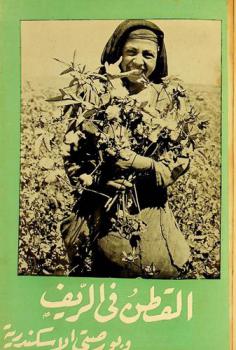
القطن في الريف وبورصتي في الإسكندرية
يتناول كتاب (القطن في الريف وبورصتي في الإسكندرية) والذي قامه بتأليفه (حسن زكي أحمد) في حوالي (255) صفحة من القطع المتوسط موضوع القطن وتجارته وهو بحق وليد علم ومشاهدات وتجربة، وقد توخى واضعه فيه الكشف عن الغموض في كل حلقة من حلقاته وقصد في لباقة إلى نواحي الغبن فأبرزها للزارع والوسيط والتاجر على السواء فترى المؤلف ما أن يحدثك عن علة أو نقص حتى يقدم لك العلاج بأمانة وفي حذر وحرص بالغين.
Unknown

Investigation into the Antibacterial and Mechanical Properties of Cellulose Nanoparticles Treated Cotton Fabrics
Cellulose nanocrystals (CNC) as a reinforcing agent play a vital role in various applications. Herein, CNC was harnessed for its dual action as reinforcing and antibacterial additive biopolymers to impart cotton fabrics with mechanical as well as antibacterial properties. CNC was extracted from cotton slivers and applied to cotton fabrics with and without Polyacrylate binder. Results indicated the improvement of tensile strength, crease recovery, tearing strength and thermal properties were observed in case of CNC was mixed with polyacrylate binder at moderate ratio. In addition to this, cotton fabrics treated CNC with and without polyacrylate binder exhibited a highly efficient antibacterial activity against both pathogenic bacteria E. coli and S. aureus.
Journal Article


Effect of topping and plant densities on growth and yield of cotton
The objective of this study was to investigate the effect of topping and plant densities on growth and yield of cotton (Gossypium hirsutum L.) .A field experiment was conducted at the research station of Field Crop Department- College of Agricultural Engineering Sciences - University of Baghdad,during two summer seasons (2016 and 2017).This study included two factors using Ranndomiled Complele Block Design within split plot arrangement .The first factor, regulate growth through foliar with the growth retardants (pix) at the beginning of flower buds appearance , foliar at the beginning of The flower appearance and growing tips topping at the beginning of flower buds appearance and tip topping at the beginning of flower appearance and control (without topping). These treatments occupied the main plots .The second factor was the number of plants in hill (1,2 and 3 plant hill-1),which occupied the sub plots. The results indicated significant differences among regulate growth traetment in most studied characters, P2 was exceeded by producing the highest number of branches and number of open bolls .This causes to increase plant yield , which reach 23.78 and 22.86 g plant-1 and seed cotton yield giving2124.8 and 1972.3 kg ha-1, whereas treatment T4 had the highest average in dry weight, lint length and lint fineness. The treatment 1 plant hill-1 was exceeded by producing the highest plant height, number of sympodia, leaf area, dry weight, boll weight and the number of open bolls which reflected on increasing plant yield by (32.63 and 34.58) g plant-1 and lint fineness by (4.66 and 4.72) micronear for both seasons respectively . The results indicated a significant interaction between regulate growth treatments and number of plants per hill in some studied characters. This indicate that the responce of cotton topping differed due to plant densities,with topping.
Journal Article
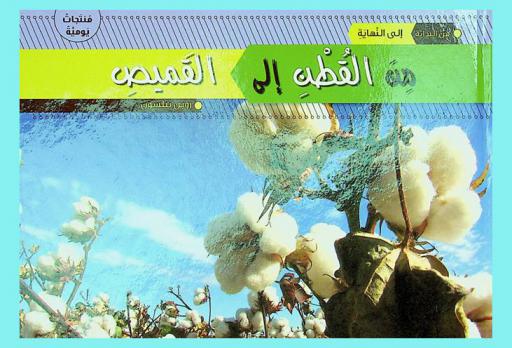

تاريخ وتطور شركات الحلج وكبس القطن في مصر وما يتبعها من أنشطة 1894-1952 م
يستعرض البحث بإيجاز تاريخ وتطور شركات الحلج وكبس القطن في مصر وما يتبعها من أنشطة في الفترة من عام 1894 م إلى 1952م. حيث تأسست في مصر الكثير من شركات حلج وكبس وتكرير القطن، وجاء تأسيسها ضرورة ملحة لتواكب زراعة القطن التي بدأت زراعتها في عصر الوالي محمد علي باشا، والمحالج كانت ضرورية لحلج القطن بفصل بذرته عن شعيرات القطن، وما يتبع ذلك من تكرير للقطن وكبسه في بالات معده للشحن لاستخدامها في مصانع الغزل والنسيج وغير ذلك من استخدامات القطن المتعددة، واستخدامات بذرته في عصر الزيوت وغيرها من صناعات كانت بداية هذه المحالج بمحالج أربعة أنشأها محمد علي باشا كان أولها في القناطر الخيرية ثم اتبعها بثلاث أخرى لتتوالى بعد ذلك زيادة أعدادها مع زيادة زراعة مساحة القطن والطلب عليه، وجاءت زيادة أعداد المحالج بعد الاحتلال الإنجليزي وما يتبع ذلك من أنشطة ملحة بها وحتى عام 1952م. أقيمت محالج القطن في أكثرها بالتوازي مع إنشاء وبداية صناعة الغزل والنسيج التي أخذت في التطور من أنوال يدوية إلى مغازل وأنوال ميكانيكية، وهو نفس التطور الذي واكب صناعة حلج القطن وكبسه، فقد كان حلج القطن في بدايته يدويا في عملية شاقة استهلكت الكثير من الأيدي العاملة والوقت والجهد، وأدخلت عليها التحسينات وأعمال التطور بصناعة دواليب الحلج التي استخدمت الثيران في تشغيلها ودورانها إلى أن استخدمت المحالج المطورة والتي أصبحت تدار بالديزل والكهرباء حتى عام 1952م. تتناول هذه الدراسة عدد من المحاور الرئيسة تتمثل في دعامات صناعة حلج وكبس القطن والتي لولاها لما كانت لها قائمة وانتشرت في مصر، وأيضاً في العالم، تأسيس شركات محالج القطن وكبسه والتي تم إنشاؤها خلال فترة الدراسة، أهم الأنشطة التابعة لتلك المحالج، مساهمة رؤوس أموال هذه الشركات في دعم الاقتصاد المصري.
Journal Article
اقتصاديات الزراعة في مصر : الحبوب والأقطان
يتحدث هذا الكتاب عن اقتصاديات الزراعة في مصر تحتل قضية إنتاج الغذاء مكان الصدارة في أولاوياتنا الوطنية كذا فقد غدا قطاع الزراعة قطاعا سياديا بل هو ما هو ركيزة أمن مصر وفي عالم اليوم لم تعد الزراعة تلك المهمة التي يستهدف منها إطعام المزارع وحيواناته فالزراعة أصبحت مهنة سيادية مؤثرة في القرار السياسي.
BOOK

شركات الحلج وكبس القطن في مصر \1894-1952\
يستعرض البحث بإيجاز تاريخ وتطور شركات الحلج وكبس القطن في مصر وما يتبعها من أنشطة في الفترة من عام ١٨٩٤ م إلى 1952. حيث تأسست في مصر الكثير من شركات حلج وكبس وتكرير القطن وجاء تأسيسها ضرورة ملحة لتواكب زراعة القطن التي بدأت زراعتها في عصر الوالي محمد علي باشا، والمحالج كانت ضرورية لحلج القطن بفصل بذرته عن شعيرات القطن، وما يتبع ذلك من تكرير للقطن وكبسه في بالات معده للشحن لاستخدامها في مصانع الغزل والنسيج وغير ذلك من استخدامات القطن المتعددة، واستخدامات بذرته في عصر الزيوت وغيرها من صناعات كانت بداية هذه المحالج بمحالج أربعة أنشأها محمد علي باشا كان أولها في القناطر الخيرية ثم اتبعها بثلاث أخري لتتولى بعد ذلك زيادة أعدادها مع زيادة زراعة مساحة القطن والطلب عليه، وجاءت زيادة أعداد المحالج بعد الاحتلال الإنجليزي وما يتبع ذلك من أنشطة ملحة بها وحتى عام ١٩٥٢م. أقيمت محالج القطن في أكثرها بالتوازي مع إنشاء وبداية صناعة الغزل والنسيج التي أخذت في التطور من أنوال يدوية إلى مغازل وأنوال ميكانيكية، وهو نفس التطور الذي واكب صناعة حلج القطن وكبسه فقد كان حلج القطن في بدايته يدويا في عملية شاقة استهلكت الكثير من الأيدي العاملة والوقت والجهد، وأدخلت عليها التحسينات وأعمال التطور بصناعة دواليب الحلج التي استخدمت الثيران في تشغيلها ودورانها إلى أن استخدمت المحالج المطورة والتي أصبحت تدار بالديزل والكهرباء حتى عام 1952م. تتناول هذه الدراسة عدد من المحاور الرئيسية تتمثل في دعامات صناعة حلج وكبس القطن والتي لولاها لما كانت لها قائمة وانتشرت في مصر وأيضا في العالم، تأسيس شركات محالج القطن وكبسه والتي تم إنشائها خلال فترة الدراسة، أهم الأنشطة التابعة لتلك المحالج، مساهمة رؤوس أموال هذه الشركات في دعم الاقتصاد المصري.
Journal Article

Performance of Different Cotton and Nylon Swabs on DNA Recovery and Storage
Touch DNA samples are routine yet challenging pieces of evidence that provide investigators with information that helps them solve crimes. However, this type of evidence can be easily lost if the correct collection method is not used. This problem could be overcome with an optimal method of collection that increases the amount of touch DNA collected from different types of surfaces. Better-quality touch DNA can increase the chances of getting a full genetic profile. This study was divided into two parts which aimed to assess whether the type of swab used on different surfaces will significantly increase DNA recovery, concentrations, and the DNA preservation during three different timeframes (24h, 1 month and 3 months). Two different cotton swabs and Nylon swabs were used to lift touch DNA on three different surfaces (glass, plastic and wood) to identify the most suitable method of collection across all three surfaces. A total of 72 samples were lifted (3 replicates from each swab on 3 different surfaces) from two different participants (Male and Female) which were left to dry for 14 days in room temperature prior to DNA extraction. DNA preservation of the swabs was observed while using three dilutions of blood sample which was prepared from one of the volunteers (1:1 - 1:10 - 1:20) where 10 uL of each dilution was pipetted onto the four types of swabs in three replicates (n=36) to observe the preservation over three different timeframes 24h storage, 1 Month and 3 Months with a total of 108 samples. The COPAN CLASSIQSwabsTM Dry swab showed an overall average result during the storage periods of 24h with (1:1) dilution by (2.694 ng/μL), (1:10) dilution with (0.548 ng/μL) and (1:20) dilution with (0.143 ng/μL). Results for the period of 1 Month also showed an average of (1:1) dilution with (2.825 ng/μL), (1:10) dilution with (0.361 ng/μL) and (1:20) dilution with (0.156 ng/μL). These findings can be helpful for laboratories and crime scene investigators to optimize DNA sample collection and preservation based on their workflow.
Journal Article