
Catalogue Search | MBRL


Are you sure you want to remove the book from the shelf?

{{itemTitle}}
26
result(s) for
"الكنائس مصر تاريخ"
Sort by:
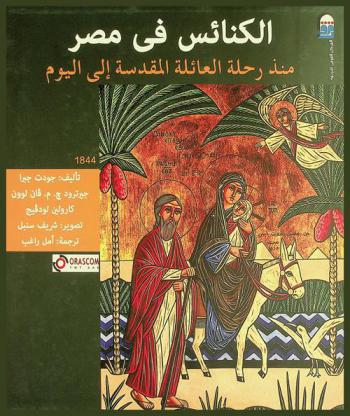
الكنائس في مصر منذ رحلة العائلة المقدسة إلى اليوم
الكتاب مصور بالكامل لبيوت العبادة المسيحية الموجود في مصر ويحتوى الكتاب علي ثلاثون ألف صورة ملونة ويتضمن أحدث البحوث التي شملت نطاقا جغرافيا واسعا ويغطي المواقع القبطية في جميع أنحاء البلاد من الكنائس القبطية في مصر القديمة إلى الكنائس في أديرة وادى النطرون والبحر الأحمر وصعيد مصر وكذلك الكنائس المرتبطة برحلة العائلة المقدسة إلى مصر تساعد الفصول التمهيدية التي تحكي عن تاريخ المسيحية في مصر وعن معمار الكنيسة القبطية واللوحات الجدارية القبطية القراء على تقديم وفهم التراث المعماري والثقافي والفني للكنيسة القبطية في مصر.
BOOK

The Architectural Development of Church Tower in East Delta during the Era of Muhammed Ali Dynasty
The church tower is considered one of the most significant architectural elements in churches, as it's used to inform the Christian people of their daily prayer time. Besides, it has another spiritual function as a means for guiding the Christian faithful to find their way to God, so the historians and researchers have agreed to name it \"al-Manārah\", especially in Egypt and the East. The church tower is designed as a high standing building that usually has a cross-shaped top. It is typically built beside or attached to the church, so it's considered a characteristic feature of the church. The region of East Delta has preserved for us a number of remaining church towers that date back to the reign of Muhammed Ali Pasha and his successors. These towers are distinguished by the difference in their types and styles, especially the European ones such as the Neo-Gothic, Romanesque, and Baroque. Besides, these towers are characterized by the variety of their materials, architectural details, and decorative elements. Therefore, the main aim of this research is to study the architectural types and artistic styles of church towers in the governorates of East Delta during the reign of Muhammed Ali's family.
Journal Article


The Impact of the Theological Controversy between the Melkites and Jacobites on the Different Orientation of Churches at Qasr El-Lebia, Libya
After the Council of Chalcedon (451 A.D.), which defined the orthodox view of Christ's humanity and divinity, the Church of Alexandria suffered a period of conflict between the Melkites (Chalcedonians) and the Jacobites (non-Chalcedonians), who emphasized the single divine nature of Christ). It is interesting that there is no trace of rivalry between the two doctrines in the Pentapolis (Cyrene, Apollonia, Ptolemais, Taucheira and Berenice). How, we might ask, could the Melkite - Jacobite conflict spread in Egypt, but not to its nearest neighbour in east Libya? In addressing this question, we must consider the reason for the presence of the dual orientation (eastwards and westwards) in the churches at Qasr el-Lebia or Neapolis Theodorias (a small town located about 50 miles to the west of Cyrene) and elsewhere. It seems equally plausible (without evidence or explanation by archaeologists) that the appearance of west- and east-orientated churches during this period is symptomatic of an attempted accommodation of the variant doctrines of the two groups. This theory will form the basis of this paper, which offers an introduction to the Melkite-Jacobite conflict in Egypt. It will also examine the possible effect of the conflict between the Chalcedonian and non-Chalcedonian movements on the change of the westward orientation of churches.
Journal Article

كنيسة العذراء وماريوحنا بالزقازيق 1925 م
تقع كنيسة العذراء وماريو حنا بشارع طلعت حرب الموازى لبحر المويس بجوار بنك مصر، مدينة الزقازيق، محافظة الشرقية، وقد أنشأت هذه الكنيسة طائفة الروم الأرثوذكس\" الجالية اليونانية\" في عام ١٩٢٥ م، حيث كانت تعرف باسم \"ثلاثة أقمار القديسين \"، اشتراها الأقباط الأرثوذكس في 14/7/1995م، وسميت باسم القديسة العذراء مريم والقديس يوحنا الرسول، الكنيسة موجودة داخل حرم ايبارشية الزقازيق ومنيا القمح، الكنيسة من الخارج ذات تخطيط صليبي لاتيني ينتهى الضلع الأطول بالمصلي، يغطيه سقف جمالونى، يعلوه بلاطات القرميد الأحمر، ومن الداخل ذات تخطيط بازيليكى، عبارة عن مستطيل يمتد من من الغرب إلي الشرق، قسم إلي ثلاثة أروقة بواسطة صفين من الأعمدة والدعامات التي تحمل ثلاثة عقود نصف دائرية، أكثرها ارتفاعا واتساعا الرواق الأوسط، يغطيه قبو برميلي ، أما الأروقة الجانبية فيغطيها سقف مسطح.
Journal Article

The Fatimid Cairo Religions Complex
Egypt has always been the incubator of all religions, being a best example for tolerance, coexistence, and acceptance of the other throughout history. This can be indicated through the presence of places of worship for the three religions (Islam, Christianity, and Judaism) in the same region on its land forming what is known by 'Religions Complex', which is a source of holiness and spirituality. The current research studies the idea of developing a proposed project for a new Religions Complex in one of the most important Cairo's historic sites (Fatimid Cairo), that was designated on the World Heritage Map and considered a place of worship for all religions. The Objective of the Research - Gaining insight into a New Religions Complex in Cairo. - Examining selected historical monuments in Fatimid Cairo and determining the implications for its future development. - Outlining a developing vision for the region's inclusion on the World Tourist Map. - Seeking to better understand Egypt's History.
Journal Article

واقعة الاعتداء على الكنائس في مصر 9 ربيع الآخر 721 هـ. / 8 مايو 1321 م
تعالج هذه الدراسة واقعة الاعتداء على الكنائس في مصر في ٩ ربيع الآخر 721ه/ 8 مايو 1321م من خلال الروايات المعاصرة، إذ تعرضت لاعتداء شامل أفضى إلى نهب وحرق وتخريب عدد كبير منها، وكان هذا بمثابة المرحلة الأولى من الفتنة الكبرى التي اندلعت في مصر خلال عام 721ه/ 1331م، وبلغت أوجها بنشوب الحرائق المتتالية في القاهرة خلال شهري جمادى الأولى-جمادى الآخرة 721ه/ يونيو-يوليو 1321م. تنطلق الدراسة من افتراض أن هذا الاعتداء، وما نتج عنه من تخريب وإحراق للكثير من الأماكن والمنشآت، ما هو إلا انعكاس للصراع بين التيارين الإداري والعسكري في الدولة المملوكية، والنابع من المصلحة المادية واتساع النفوذ. فكبار الأمراء كانوا ناقمين لاتساع نفوذ التيار الإداري بقيادة كريم الدين الكبير، ناظر الديوان الخاص ووكيل الناصر محمد بن قلاوون ومدبر دولته، فعملوا على إضعافه من خلال فض الظهير الإداري القبطي من حوله، والذي كان يعتمد عليه في نزاعه مع الأمراء، ولإظهار عجزه عن حماية القبط وهو المعروف بمساندته الدائمة لهم. وظف الأمراء جميع الأدوات المتاحة لتنفيذ مخطط الاعتداء على الكنائس، فقاموا باستغلال الحالة البائسة التي كانت تعيشها طبقة العامة من جراء سوء الأوضاع الاقتصادية، وحنقها الشديد على موظفي الإدارة المملوكية من الأقباط نتيجة لتراثهم ورفاهيتهم، وبالتعاون مع بعض الجامعات الصوفية، وقع هجوم شامل على الكنائس في أغلب المدن المصرية، أفضى إلى حرق وهدم ونهب أكثر من ستين كنيسة، ابتداء بكنيسة الزهري في القاهرة، فضلا عن بعض الأديرة، والمساكن، والدور، والوكالات التجارية، وغيرها من الأماكن.
Journal Article