
Catalogue Search | MBRL


Are you sure you want to remove the book from the shelf?

{{itemTitle}}
5
result(s) for
"المساجد سويسرا"
Sort by:
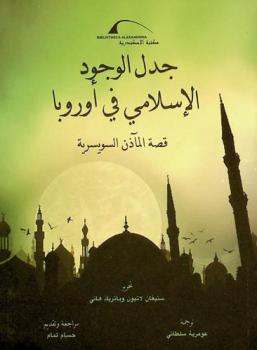
جدل الوجود الإسلامي في أوروبا : قصة المآذن السويسرية
في 29 نوفمبر 2009، وبنسبة 57.5 بالمائة صوت السويسريون بنعم، قبل الشعب السويسري المبادرة الشعبية التي أدت إلى إضافة مادة إلى الدستور السويسري، تمنع بناء مآذن جديدة على التراب السويسري، أحدثت هذه النتيجة مفاجأة كبرى لدى قسم كبير من وسائل الإعلام، والطبقة السياسية، فاستطلاعات الرأي الأكثر حداثة أوضحت أن هناك رفضا للمبادرة، في الوقت نفسه الذي سجلت فيه أن دعمها كان يزداد شيئا فشيئا مع اقتراب تاريخ التصويت، وقد نشرت النسخة الأصلية من هذا الكتاب بالفرنسية والعربية قبل التصويت الذي جرى في 29 نوفمبر 2009، وبسبب الاهتمام العالمي الذي حظي به النقاش، وكذا التصويت على المآذن في سويسرا ؛ فإن هذا الكتاب تم نشره بعدة لغات وبقيت نصوص الكتاب كلها تقريبا دون تغيير مع تحديثات ضئيلة لبعض المشاركات لكن المعلومات الواردة والتحاليل المقدمة قبل التصويت لا تزال تحتفظ بكامل مصداقيتها.
Book

Discrimination and Immigrant Identity : Fundamentalist and Secular Muslims Facing the Swiss Minaret Ban
The 2009 Swiss minaret ban was widely regarded t.U 'A blatant att of discrimination against Muslims. We analyzed postings in threads related to the minaret ban in two German language internet forums for young Muslims. The first forum was hosted by a fundamentalist group whereas the second represented a more secular or moderate segment of German Muslims. We expected the fundamentalists to employ more essentializing discourses in face of discrimination, whereas we hypothesized the moderate Muslims to rather employ de-essentializing discourses. Although the fundamentalists expressed their disgust at the referendum's outcome, they also welcomed it as confirming the West's hostility towards Islam in general and their identities as fighters in an inevitable global jihad. They displayed a strongly essentialized insular identity with impermeable boundaries that excluded moderate Muslims as well as non-Muslims. On the other hand, the discourse in the moderate forum disclosed the users' dominant hyphenated identity, which the minaret ban puts a strain upon. They felt the need to strike a balance between their desire to integrate in German society and their outrage about the minaret ban. The results are discussed in terms of the dynamics between minority and majority groups' identity constructions.
Journal Article