
Catalogue Search | MBRL


Are you sure you want to remove the book from the shelf?

{{itemTitle}}
857
result(s) for
"المسرحية - تاريخ ونقد"
Sort by:
في جماليات الميتامسرح : مقاربات فلسفية ونقدية
قد جاء الكتاب في نحو 245 صفحة من القطع المتوسط توزعت محتويات الكتاب على أربعة فصول. عن سؤال الميتامسرح في الفلسفة أجاب الفصل الأول، فيما خصص الفصل الثاني للبحث في مرجعيات الممارسة الميتامسرحية في بعض النظريات النقدية، وجاء الفصل الثالث مخصصا لقراءة مفهوم الميتامسرح كما تجلى في بعض الممارسات النقدية المسرحية المعاصرة، وأخيرا قرأ الكاتب في الفصل الرابع تمثلات الميتامسرح في تسعة نصوص مسرحية عربية، وبينها نص الكاتب الإماراتي إسماعيل عبد الله «التريلا».
Book

Enemies are nearby
Our Enemies: Lively Scenes of Love and Combat is a play written by the Egyptian American playwright Yussef El Guindi. It handles many important themes such as identity formation of Arab Americans, the misrepresentation of Arab Americans in the American media and internal conflicts among them. The play illustrates how some Arab Americans are real enemies who involve each other in pranks, serious problems and who can even threaten each other's lives. They can intimidate each other and, according to the play, often-misrepresent themselves in the American media. The corrupt images and the harsh opinions spread by some Sheikhs, who speak on behalf of Muslims in the American media, are also portrayed in the play as leading to hatred among Arab Americans, especially Muslims. The negative image of Arab Americans in the American media is drawn in the play as perpetuated by the Muslims themselves. As a result, the American media conceptualizes Arab Americans especially Muslims as enemies to the United States of America. Homi Bhabha's two major concepts \"mimicry\" and \"ambivalence\" are applied in the analysis of the play.
Journal Article
البنية الداخلية للمسرحية : دراسات في الحبكة المسرحية عربيا وعالميا
هذه الأطروحة البحثية البنية الداخلية للمسرحية دراسات في الحبكة المسرحية عربيا وعالميا والذي قام بتأليفها د. مجيد حميد الجبوري هي دراسة وصفية تحليلية، تتناول مفهوم (حبكة المسرحية)، وتحاول تحديد ملامحه، بعزلة عن المفاهيم التي اختطلت به، أو تداخلت معه في مجال الأبحاث النقدية والأدبية المتخصصة بدراسة المسرح.
Book
Women in the Plays of Caryl Churchil
يسرد البحث التطور التاريخي لحركة تحرير المرأة التي بدأت في أواخر القرن 18 حتى امتدت لعصرنا هذا وذلك بافشارة إلى الحركة النسائية وحركات مناهضة الاضطهاد بصفة عامة في أوروبا، ثم يتم التعرض لمسرحيتين لكاريل تشرشل حيث تقوم الأولى Vinger Tom بعرض حقوق المرأة المفقودة ووضعها المزرى في المجتمع وتشبيهها بالساحرات في أدائها لي عمل مؤثر أو ناجح. وعلى الصعيد الآخر هناك Top Girls التي تقدم المرأة الحديثة مفتقدة لكل معاني الأنوثة وهمها الأكبر هو إثبات الذات في المجتمع بغض النظر عن دورها الأساسي في الحياة كزوجة وأمة مربية أجيال ويستمر صراع المرأة لنيل حقوقها.
Journal Article
اتجاهات النقد المسرحي المعاصر بين النظرية والتطبيق
يتحدث هذا الكتاب اتجاهات النقد المسرحي المعاصر بين النظرية والتطبيق حيث في مجال الإبداع المسرحى توقف الفكر النقدى المسرحي عبر مسيرته على عدد من المحطات النقدية فى إطار إمتطاء محاولاته الدؤوب للوصول إلى معنى النص أو معنى العرض المسرحى بوصفه غاية التلقى البناء مؤكدا الذات الفردية لبنية النص أو العرض المسرحى نظرية التعبير.
BOOK
مبادئ علم الداراما
يتناول كتاب (مبادئ علم الداراما) والذي قام بتأليفه (د. سمير سرحان) في حوالي (93) صفحة من القطع المتوسط موضوع (المسرح) مستعرضا المحتويات التالية : تاريخ الدراما البدايات الأولى والحقيقية، الحدث في الدراما، بناء الحدث في الدراما، بناء الحبكة، المشهد الافتتاحي، مشكلة الكوميديا، الفارس هل هو فني، قضايا مسرحية هل تختفي الكلمة من المسرح ؟.
Book
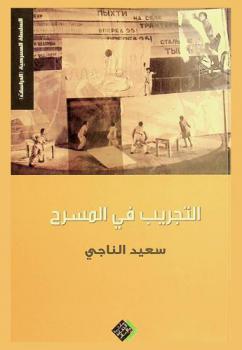
التجريب في المسرح بين المسرح الغربي والمسرح العربي
يتناول كتاب (التجريب في المسرح بين المسرح الغربي والمسرح العربي) والذي قام بتأليفه (سعيد الناجي) والذي يقع في حوالي (155) صفحة من القطع المتوسط موضوع (تاريخ المسرحية) حيث يتناول الكتاب المظاهر الكبرى للتجريب في المسرح الغربي بالدراسة والنقد ليصل إلى مكنون هذا الأسلوب ومفهومه في ارتباطه بالحداثة والمبادئ النظرية والفلسفية التي أطرتها.
Book

Conflicting Mythical Forces in Tennessee Williams A Streetcar Named Desire (1947)
This paper explores the conflict between and within the main characters of Tennessee Williams' A Streetcar Named Desire (1947). It shows how that the strife between the characters, the ultimate result of the individual's fixed adherence to established ideals and the denial of his instinctive impulses, are equivalent to the mythical Apollonian Dionysian forces. While the one of these opposed forces represents the learned, acquired traits, the other represents the unlearned, primitive impulses. Within the individual's divided psyche, the two forces display that the harmonious coexistence of both man's conscious and unconscious impulses brings about his emotional stability. In short, the paper suggests that man's natural impulses can never be suppressed or denied for like nature itself they are powerful and essential for man's basic existence and spiritual redemption. It can be argued that Dionysus for Williams represents modern man, who, despite being threatened by ineffectual traditional values and by modern technological inventions, refuses to submit and defiantly fights to create a new significant life. Thus, Dionysus to Williams, becomes the symbol of modern man. Haunted by an ordered Victorian culture and threatened by a feeling of impermanence effected by the decay of Southern social order and technological advances, modern man rebels refusing extinction. Finally, Williams offers us in his play a belief that man can build new foundations and raise fresh hopes for the future on this very basic assumption that life is worth living and fighting for.
Journal Article