
Catalogue Search | MBRL


Are you sure you want to remove the book from the shelf?

{{itemTitle}}
18
result(s) for
"المقابلات التليفزيونية"
Sort by:
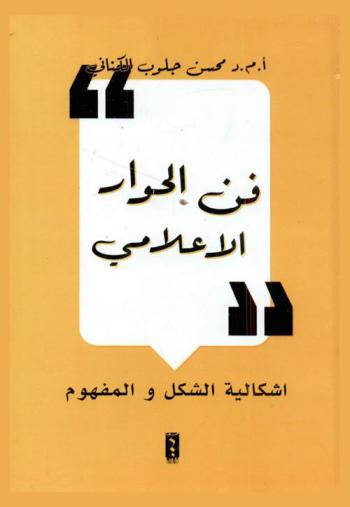
فن الحوار الإعلامي : إشكالية الشكل والمفهوم
يتناول كتاب (فن الحوار الإعلامي : إشكالية الشكل والمفهوم) والذي قام بتأليفه (محسن جلوب الكناني) يقدم هذا الكتاب دراسة حول فن الحوار الإعلامي، في حوالي (316) صفحة من القطع المتوسط موضوع (المقابلات التليفزيونية-المقابلات الإذاعية) لقد احتل \"الحوار\" مساحة كبيرة في الإعلام ودخل في معظم الفنون الصحفية وتقع الدراسة في ستة فصول.
Book
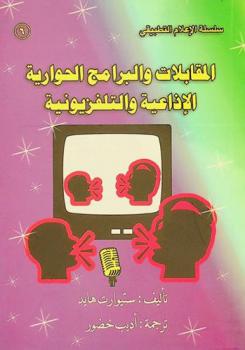
المقابلات والبرامج الحوارية الإذاعية والتلفزيونية
يقدم هذا الكتاب خلاصة التجربة الأمريكية في تقديم البرامج الحوارية في الإذاعة والتلفزيون. كيف يستعد الصحفي لتقدره البرامج الحوارية، وكيف يجري مختلف المقابلات الإذاعية والتلفزيونية. كيف يعدد موضوعاته ؟ وكيف يختار ضيوفه ؟ وكيف يحدد أسئلته ويصيغها، ويطرحها ؟ وكيف يدير عملية الخوار ؟ كيف يكون محاورا جيدا ؟ وكيف يكون مستمعا جيدا ؟.
Book

Revealing the Concealed
In communication, more is being understood and assumed than is explicitly said. During conversations, speakers make assumptions based on what is true or already known by the listeners. This is done with the help of certain lexis and grammatical structures employed to send and give rise to certain messages. This study is an investigation of the presupposition triggers employed by Meghan and Harry in their television interview with Oprah Winfrey opening up, for the first time, on leaving their roles as royals. The framework used is the one inspired by Liang & Liu (2016) and based on Levinson's classification of triggers (1983). In this study triggers are divided into two major categories, lexical and syntactic. This investigation is done with the aim of analysing the triggers that give rise to certain presuppositions and consequently send certain messages.
Journal Article
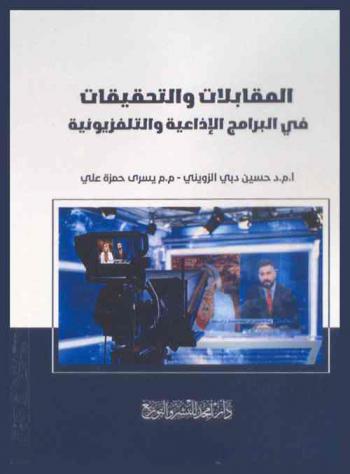

فاعلية المقابلة في البرامج التليفزيونية الوثائقية
تحدد هذا البحث بدراسة (فاعلية المقابلة في البرامج التلفزيونية الوثائقية) (برنامج هذا أبي أنموذجا)، إذ تناول الباحث نموذج من البرامج التلفزيونية العراقية، وانطلق من أهمية قالب المقابلة في صناعة البرنامج التلفزيوني الوثائقي بأبعاد فنية وجمالية وفكرية وتقنية لإيصال خطاب البرنامج بشكل متكامل فضلا عن الأساليب المتعددة التي تتوفر عليها من خلال تقديمها لوثائق متعددة مما يدفع عجلة بنية البرنامج الوثائقي على وفق الدوافع المتعددة للهدف المنشود. كما أراد الباحث أن يصل من خلال مشكلة بحثه الذي تمثل في السؤال عن فاعلية المقابلة وهل هي قالب يمثل السؤال والجواب للضيف؟ أم فاعلية المقابلة هي ما تقدمها كوثيقة بشكلها المتجدد على الدوام وتمنحها تأثيرا معاصرا وحديثا؟ وليحقق الباحث أهدافه من خلال الإجابة عن هذا السؤال بوساطة الكشف عن فاعلية قالب (المقابلة) وبنيته النصية والإخراجية في البرامج الوثائقية التلفزيونية.
Journal Article
الحديث التلفزيوني
في هذا الكتاب يفرض تطور الحديث التلفزيوني وتعاظم أهميته في الإعلام العربي المعاصر، وضخامة المهام والوظائف التي يسعى إلى تحقيقها، الحرص على وضع هذه الممارسة على أساس علمي يسهم في صقلها ورفع مستواها، ويحاول الكتاب الإجابة عن الأسئلة التالية : ماهي خصائص الحديث التلفزيوني ؟، ومن هو الصحفي القادر على إجرائه، وما هي مزايا الشخصيات التي يجري معها ؟، وكيفية الاستعداد والتحضير ؟، وكيفية اختيار الموضوع وتحديد الشخصية.
Book

A Critical Discourse Analysis of Western Media Bias towards Tufan Al-Aqsa Operation
One of the most popular methods of political communication worldwide, televised political interviews may still impact and reach far larger audiences than any other type of public speaking. Interviews on television give politicians the ideal opportunity to address a large audience directly. The current study investigates bias within TV interview of Piers Morgan regarding the Palestinian issue. Hidden prejudice and bias are responsible for the kind of language and vocabulary use through which the hostile hatred towards sex, race, religion, ethnicity and so forth which cannot be understood within isolated expression without relying on the context to eventually figure out the pragmatic function behind. The study is qualitative in nature, using Piers Morgan's interview with the Palestinian ambassador Husam Zomlot on October the 19th as the text of analysis by using three modals (Fairclough's (1989), Van Dijk's (2006), Brisard, Ostman, Verschueren's (2009) Pragmatic Function). The number of the utterances to be analysed are twenty (the whole speech). The results show that the speaker tends to use explicit strategy of bias in most of his speech (with 24 frequency and 65% percentage) to persuade and influence others perspectives and point of view to confess that Israel is a nation and Palestine is their homeland. Extreme explicit conscious bias is defined by overtly discriminatory behaviour, which can take the form of verbal and physical abuse or more covert tactics like exclusion and control and this what exactly happens within the interview under investigation by which Morgan intentionally uses words and expressions that demean Palestinian people and condemn Hamas of Tufan Al-Aqsa (i.e., Al-Aqsa) which took place at the event of October, the 7th, 2023.
Journal Article
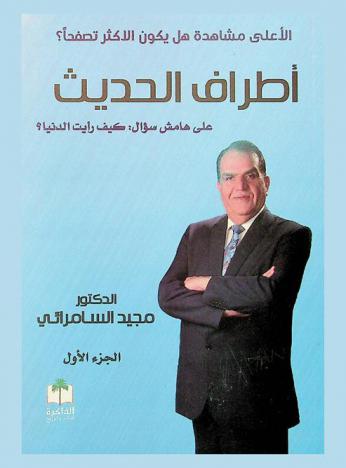
\أطراف الحديث\ : الأعلى مشاهدة، هل يكون الأكثر تصفحا ؟
وهو تدوين للحوارات التي أجراها الدكتور مع شخصيات فنية وأدبية ورياضية وكان الحوار يبث في قناة الشرقية وتنتهي الفقرة الحوارية لكل شخصية بالسؤال ذاته : كيف رأيت الدنيا ؟ ومن الشخصيات التي تمت محاورتها في هذا الجزء وهو القيصر كاظم الساهر، الموسيقار نصير شمة، الشاعر عبد الرزاق عبد الواحد، الباحث الشهير خزعل الماجدي، زغلول النجار، معن آل زكريا، زينة السلطان، أحمد الكبيسي، عبد الرزاق عبد الواحد، محمد راتب النابلسي، محمد خماس، عبد الحسين شعبان، منى يونس بحري، أحمد خيري العمري، عبد الستار ناصر، فوزية السندي، شهد الراوي، وأخيرا سميح القاسم.
BOOK