
Catalogue Search | MBRL


Are you sure you want to remove the book from the shelf?

{{itemTitle}}
2,058
result(s) for
"الموارد المائية"
Sort by:
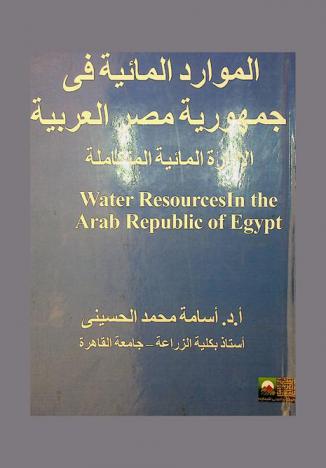
الموارد المائية في جمهورية مصر العربية : الإدارة المائية المتكاملة = Water resources in the Arab Republic of Egypt
هذا الكتاب لمؤلف د.أسامة محمد الحسيني يسرد الموارد المائية في جمهورية مصر العربية ويقيم كل مصدر ومورد على حدة ومدى كفايته للحاجة مع شرح مفصل لمواقع تلك الموارد وكيفية تنميتها مع تطور الاستخدامات القديمة ومعالجة مياة الصرف بأنواعها الزراعي وصحي وصناعي مع الأخذ يالاعتبارات البيئية التي تحرص على سلامة الإنسان.
BOOK
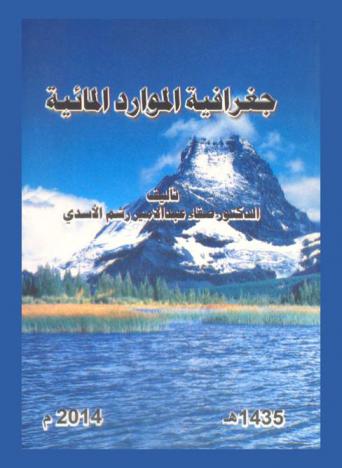
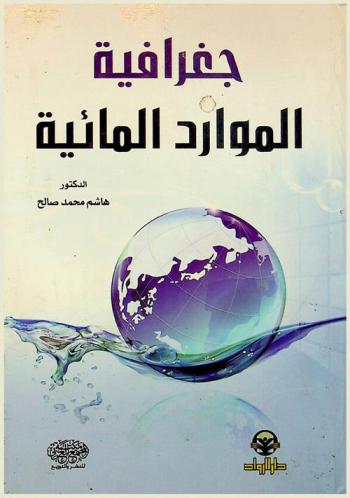
جغرافية الموارد المائية
يتحدث الكتاب عن جغرافية الموارد المائية حيث أن الموارد المائية هي من أهم الموارد الطبيعية بوصفها الدعامة الرئيسي الأنواع الحياة جميعها في الكرة الأرضية وأزدادت أهمية الموارد المائية في ظل تغيرات المناخية من إسناد وتخطيط لاستثمار المياه وعمليات التكيف هو الحد من المخاطر الهيدرولوجية ولاسيما حالات الجفاف والفيضانات والتلوث وسعى المؤلف الانجاز كتاب هيدرولوجي يحمل بصمات الحداثة في المعلومات والمنهجية من خلال الاستعانة بأحدث المصادر الهيدرولوجية العربية والأجنبية الرصينة.
Book

واقع وتوجهات إدارة الموارد المائية في ناحية اليوسفية
تناولت الدراسة الموارد المائية في ناحية اليوسفية وسبل أدارتها، والتي تعد من أهم النواحي الزراعية في محافظة بغداد ضمن قضاء المحمودية، تقع فلكياً بين دائرتي عرض (00=3-33-00=12-33) شمالاً، وبين خطي طول (00= 0-44 00= 18-44) شرقاً، بمساحة تصل إلى (٤٢٥) كم٢. لقد ركزت الدراسة على مشكلة في غاية الأهمية تواجهها الناحية إلا وهي (سوء إدارة الموارد المائية) وما يرتبط بها من ظواهر الهدر والتلوث، والتي تعد من أهم المخاطر الداخلية التي تهدد الأمن المائي للمواطن، حيث بينت الدراسة سبل إدارة المياه على المستوى المحلي. وتوصلت الدراسة إلى وجود مشكلات بشرية أثرت في إدارة الموارد المائية في المنطقة، كان أهمها سوء إدارة المنظومة المائية والزيادة الكبيرة في إعداد السكان والتلوث وتجاوزات بحيرات الأسماك البالغ عددها (٤١٨) بحيرة وبمساحة مائية تقدر بحوالي (١٥٢٤.٥) دونم وباستهلاك مائي سنوي يبلغ حوالي (٣٧٠٩٦٠) م٣/سنة، ومضخات المياه غير المرخصة التي يصل استهلاكها المائي السنوي إلى (٢٢٢٦٥٠٠) م3/سنة، واستخدام نظام الري التقليدي (السيحي) الذي يؤدي إلى ضياع (٥٠) % من المياه، كذلك الهدر والإسراف غير المبرر من قبل السكان. كما تم إدخال نظام تخطيط وتقييم المياه (WEAP) system Water Evaluation And Planning حيز التنفيذ كون هذا النظام أتى بثماره في الدول التي عملت به، إذ تم من خلاله تقدير كمية الاحتياجات المائية بهدف تغطيتها وتوفيرها لضمان التنمية المستدامة وإدارة المياه في المنطقة، فتبين من خلاله أن المنطقة بحاجة إلى توفير حوالي (٢٤٢,١٣) مليون م 3/سنة من المياه في عام ٢٠٢٠، ليرتفع في عام ٢٠٢٥ إلى حوالي (٣٤٨,٠٤) مليون م3/سنة، ثم إلى (٤٥٤,٠٥) مليون م3/سنة في عام ٢٠٣٠.
Journal Article

Effectiveness of the International Conventions and Treaties in Protecting International Straits and Watercourses
This study aims to highlight the effectiveness of international conventions and treaties in protecting international straits and watercourses, as these water bodies serve as vital connecting points between countries. Disputes often arise regarding the allocation of resources, environmental protection, and navigation, leading to the establishment of international agreements to resolve these issues. Methodology: The study employed a descriptive approach to describe the concepts related to shared straits and watercourses between nations. Additionally, an analytical method was used to interpret and analyze the texts and international agreements related to these straits and watercourses, in order to assess their effectiveness in providing the necessary protection for shared resources. Results: The study revealed that, despite the existence of agreements and treaties concerning the protection of straits and watercourses, they are not effective in addressing the geographical challenges faced by some countries. This is due to the outdated nature of these agreements or the lack of effective mechanisms to resolve disputes between nations. Therefore, there is a need to amend the current agreements to ensure their ability to address presentday challenges. Conclusion: The study concluded by emphasizing the importance of international conventions and treaties in protecting straits and watercourses. However, the current agreements have not fully achieved effective protection. In other words, they have often failed to ensure the actual protection of international straits and watercourses. This indicates the need for changes and updates to make these conventions and treaties more effective in addressing current challenges.
Journal Article

Predicting the Water Situation in Jordan Using Auto Regressive Integrated Moving Average \ARIMA\ Model
Countries' water security is inextricably related to their economic position. Jordan is one of the world's five poorest countries regarding water resources. Climate change and water scarcity are threatening Jordan's economic growth and food security. The objectives of the study are to use a statistical artificial intelligence model, which is called the Autoregressive Integrated Moving Average model to predict water productivity in Jordan and the world for the year 2021-2026, based on a real dataset from World Development Indicators from the World Bank. The study also aims to predict the total per capita share of fresh water based on the dataset from the Jordanian Department of Statistics. The dataset is divided into 70% training and 30% testing. The statistical model has an accuracy rate of 93.86%. This study can help analyze and measure the use of water resources in Jordan using artificial intelligence predictions and mitigate this regional problem.
Journal Article
الاحتياجات المائية لمشاريع الري في محافظة كربلاء
يستوجب استغلال الموارد المائية وزيادة الكفاءة لهذا الاستغلال وتقليل الهدر المائي عن طريق معرفة وتحديد الاحتياجات المائية للمحاصيل الزراعية فهي أساس نجاح المشروع وأمداد النباتات بالمقننات المائية اللازمة وبكميات محسوبة وعلى فترات محددة ذلك لمنع الإسراف أو النقص في كمية مياه الري التي تتوقف على عدة عوامل منها (المناخ، نوع المحصول، التربة ومدى قابليتها على الاحتفاظ بالمياه) معظم مشاريع الري القائمة قد شيدت في حقبة زمنية لم يتم فيها التقدير المناسب لشحة المياه وهذه المشاريع لم تشهد التطور والتحديث اللازمة لمواكبة التقنيات الحديثة في ظل أحوال مناخية حارة وجافة أدت إلى تدني نسبة الأراضي التي يمكن زراعتها بمياه الأمطار وبالتالي ضرورة قيام مشاريع الري لضمان الزراعة المستمرة. عند احتساب الاحتياجات والمقننات المائية الإروائية فهذه القيم تحدد كمية المياه اللازمة للري وتحديد مساحة الأراضي الزراعية التي تعتمد على طرق الري ونوع المحاصيل المقررة زراعتها في المحافظة.
Journal Article