
Catalogue Search | MBRL


Are you sure you want to remove the book from the shelf?

{{itemTitle}}
698
result(s) for
"الموسيقى والأدب"
Sort by:

Au-Delà des Mots
Le roman L'éloge de la perte de Lynda Nawel-Tebbani, paru chez Média Plus en 2017, abonde en couplets de chansons arabo-andalouses et de malouf constantinois, invitant le lecteur à réfléchir sur la finalité de cette double structure. En fait, cette coexistence de la musique et de la littérature produit une textualité unique, témoignant de la volonté de fusionner les formes d'art. Cette médialité se manifeste par les multiples procédés engendrés par le dialogue artistique, visant à entremêler les deux médias pour relater une histoire d'amour impossible et illogique. Elle transforme le roman en un médium offrant un espace pour la préservation et la pérennité de ce patrimoine vulnérable. Les lecteurs peuvent facilement repérer la présence de noubas andalouses tout au long du roman, ntnt les mots en notes de musique.
Journal Article
الموسيقى
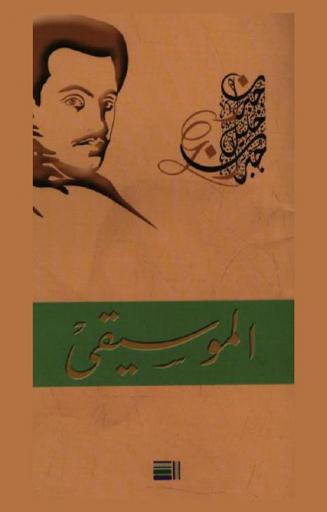
الموسيقى(1905) : كتاب أصدره جبران بالعربية، وهو كتابه الأول وفيه يشبه الموسيقى بصوت حبيبته، وقد أودعه جبران لمحة وجيزة عن الموسيقى وتأثيرها عند الشعوب، وقد رافقت حفلاتهم ومعاركهم ومواكبهم وصلواتهم، ثم يناجي الموسيقى ويطلب من الناس أن يغنوا بعظمة الموسيقيين، وذلك بأسلوب معبر ولغة شعرية. ... جبران خليل جبران : أهميته في أنه توجه إلى الإنسانية جمعاء، مخاطبا النفس البشرية في جميع نزعاتها وأهوائها، مخاطبا إياها في كل زمان ومكان وعبر العصور والأزمان، داعيا إلى الإصلاح، مجردا عنها أقنعتها المزيفة، كاشفا الناس على حقيقتها، راسما لهم طريق الخلاص من العذاب الذي يسببه الخوف والجهل من مواجهة الحقيقة. ... فإلى قراء العربية نقدم \"الموسيقى\" لجبران خليل جبران الأديب الشاعر، والناقد البناء، والفنان الفيلسوف، والمصلح الاجتماعي والمفكر العالمي، ندعوهم إلى تذوق أدبه، واقتناء مؤلفاته والاستزادة منها موشحة بمقدمات ودراسات تحليلية نقدية للنتاج الجبراني بقلم الأدبية الدكتورة نازك سابا يارد.
BOOK

ألف الكلام
سلط المقال الضوء على علاقة الأدب بالموسيقى. أوضح المقال أن علاقة الأدب والموسيقى قديمة حيث رصُدت في ترنم وتغني الرعاة بها في الصحراء العربية أثناء الرعي. بين أن الشعر أكثر أنواع الأدب صاحية للإنشاد نظرا لأن الموسيقى عنصر مهم من عناصر البناء الشعري. تطرق المقال إلى رأي المؤرخون ونقاد الأدب في العلاقة الجوهرية التي تربط الشعر بالموسيقى. تناول المقال الكتاب العرب وغيرهم هذه العلاقة في كثير من المؤلفات في العصر الحديث منها كتاب الأدب والموسيقى، والموسيقا والشعر. اختتم المقال بالإشارة إلى عدم إغفال أعلام التراث عن هذه العلاقة حيث تتطرق أبي الفرج الأصفهاني لهذه العلاقة في كتابه الأغاني. كُتب هذا المستخلص من قِبل المنظومة 2022
Journal Article
الموسيقى
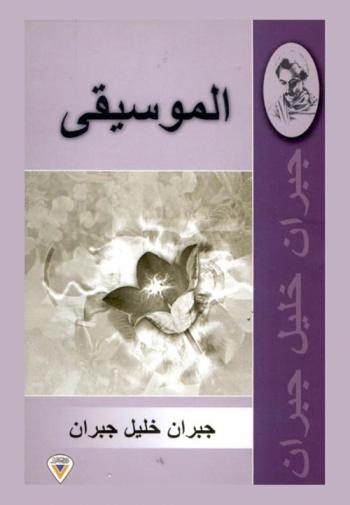
هذا الكتاب يبحث في تأثير الموسيقى في النفس البشرية وهو إذا لا يتناولها بحد ذاتها كفن مستقل أو كعلم محدد وأصول وتاريخ بل يصف انعكاساتها على نفس من يسمعها بكلمات شعرية وعاطفية وإنسانية راقية والحال فإن البحث في الموسيقى وفق هذه المعطيات سيتخذ مع جبران منحى مختلف سيدع الموسيقى تفعل في نفسه ونفوس الآخرين ما تفعله ولن يكون تحديده لها إلا وفق ما تحدثه في القلوب وتثيره من مشاعر في النفوس.
BOOK
موسيقى الصوت والمعنى من خلال نماذج من الشعر التونسي الحديث
سلط المقال الضوء على موضوع بعنوان موسيقى الصوت والمعنى من خلال نماذج من الشعر التونسي الحديث. الموسيقى نظام سيمولوجي توظف فيه وسائل مخصوصة كالأصوات، والإيقاعات، وأشكال الصمت، من أجل توليد الأحاسيس والمشاعر لدى السامع، لذلك قال الفيلسوف (فيليب نيمو) صاحب كتاب طريق الموسيقى باريس(2010) إن الموسيقى تتكلم، لأنها تخاطب النفس فتحرك الكامن فيها، ومثلما يكون الموسيقي شاعراً في ألحانه، يكون الشاعر موسيقياً في أصواته، إنها موسيقى الصوت التي يراهن عليها الشاعر لعطف قلب المتلقي وإغرائه. وأورد المقال نماذج للشعراء وكتبهم وتناول المقال عدة نقاط أولها الزوج صوت، معنى في الدرس النقدي الحديث، وثانيها تعامل الشاعر مع المادة الصوتية، وثالثها تعامل الشاعر مع الوزن. واختتم المقال بأن القصائد التي اختيرت للتوقف عندها تعبر عن هموم جيل منتم إلى الأرض، والمبادئ والقيم، جيل ظهر في النصف الأول من القرن العشرين يحمل كل ألوان الطيف، عايش فترة انقشاع سحب الاستعمار وسطوع شمس التحرر، لذلك ظل الجامع بين المعاني في قصائد هذا الجيل هو حب المواجهة وخوض الصراع وروح الرفض التي تسكن الشاعر وشعره. كُتب هذا المستخلص من قِبل المنظومة 2022
Journal Article

Texts of the self : Edward Said's Out of place and on Late Style
The present paper attempts a reading of Edward Said's Out of Place: A Memoir (1999), an explicitly autobiographical text that narrates Said's childhood and formative years in Cairo, Jerusalem, and the United States. The theoretical frame of reference is the corpus of critical theories informing the problematic genre of autobiography, as well as the posthumously-published text of Said entitled On Late Style: Music and Literature Against the Grain (2004). The paper argues that the difficulty of appropriating a specific niche for Said's Out of Place in the context of the multiple positions assigned to texts of Western autobiography by a plethora of theoretical arguments is basically a function of the \"late style\" evinced by Said's text The phenomenon of \"late style\" is the focus of Said's On Late Style, a critical study of the aesthetic features of the late works of a number of artists during their last years. Out of Place complies with Philippe Lejeune's definition of autobiography as, \"a retrospective prose narrative produced by a real person concerning his own existence, focusing on his individual life, in particular on the development of his personality\" (193), and also with Lejeune's stipulation that the defining prerequisite for autobiography is the \"identity between the author; the narrator, and the protagonist (193). On Late Style is a work of literary and music criticism that studies the \"unresolved contradictions\", the \"inevitable irreconcilabilities\", and the \"unproductive productiveness\" that characterize the late style of many artists. Belonging to \"personal criticism\" as will be discussed, On Late Style is also a \"text of the self\" that includes both the personal and the academic aspects of Said's life. In the preface to his autobiographical text Out of Place, Said professes that the primary motivation for his undertaking to write an autobiography was his being diagnosed as terminally ill and thus his desire to, \"leave behind a subjective account of the life I lived in the Arab world, where I was bom and spent my formative years, and in the United States, where I went to school, college, and university\" (ix). It is of special interest that Out of Place begins with the seemingly-opposed dualities of life and death as well as east and west. Most important is that in his endeavour to recapture (and immortalize) a lost world that played a crucial role in shaping his individual identity (ies) as well as shaping the external collective experience(S) of the second half of the twentieth century and the first decade of the twenty-first century, Said does not embrace a simplistic or reductive resolution of the contradictions of the above dualities, opting to preserve the complexities that characterize his \"late style\". The present paper investigates a number of issues raised by Said's preface insofar as these issues are among the most contested points by critics of the genre of autobiography. These include: the problematics of subjectivity, representation, and narrative in autobiographical texts; the intertwining of the opposing notions of life and death in autobiographical writing; and the cross-fertilization between autobiographical and other modes of writing by the same author. The paper aims to demonstrate the paradoxical nature of Said's position among a broad spectrum of positions taken by a number of critics in relation to the afore-mentioned issues. Ranging from the conventional position of James Olney who argues for a unitary wholeness of the self captured in autobiographical texts through metaphor, to the diametrically opposed position of Roland Barthes who stresses the impossibility of the autobiographical subject's ever authenticating his reality, the present paper reviews the theoretical background of the genre of autobiography and posits Said's text in its appropriate context As mentioned above, the difficulty of appointing a specific niche for Said's autobiography among established categories of the genre is partly due to its \"lateness\", a feature that will be discussed in detail in this paper.
Journal Article