
Catalogue Search | MBRL


Are you sure you want to remove the book from the shelf?

{{itemTitle}}
5,896
result(s) for
"الهوية الثقافية"
Sort by:


Symbolism of Decorative Elements in Algerian Applied Arts
This study explores the symbolic meanings embedded in decorative elements within Algerian applied arts, with a focus on vegetal, geometric, and animal motifs as visual expressions of cultural, spiritual, and social values. It investigates how these ornaments contribute to cultural identity construction and the preservation of collective memory. Employing a semiotic-analytical approach, the research analyzes selected examples from Algerian architecture, pottery, and textiles. The findings indicate that ornamentation in Algerian art serves not only aesthetic purposes but also functions as a vehicle for symbolic communication, spiritual expression, and social cohesion. This study contributes to the academic discourse by offering an in-depth interpretation of the symbolic functions of decorative motifs, addressing a significant gap in the literature on North African and Islamic applied arts.
Journal Article
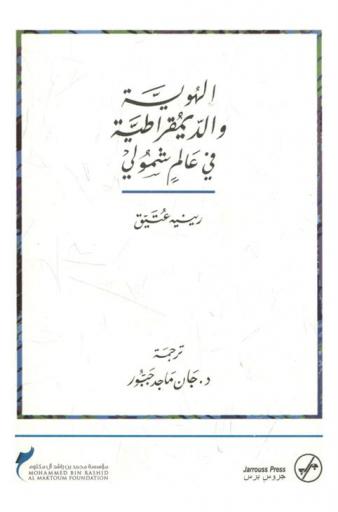
الهوية والديمقراطية في عالم شمولي
يتحدث هذا الكتاب عن الهوية والديمقراطية في عالم شمولي حيث يتناول كيف تتشكل الهويات الجماعية وما الذي يجعلها قادرة على التعبئة بهذه الكثافة؟ وهل أن الديمقراطية لا تتلاءم مع التعددية الاجتماعية-الثقافية؟ وهل أن المجتمعات الإفريقية أو العربية مقدر لها أن تخضع للتسلط السياسي بحكم ثقافتها؟ وهل أن الإسلام عصي على الحداثة؟ تلك هي بعض الأسئلة التي يدور حولها هذا الكتاب.
BOOK
Nubian Visual Culture for Contemporary Artistic & Printed Textile Designs
Identity is a complex of roads and turns. It remains difficult to be defined. Identity can be fixed or changing but definitely problematic in its meanings and manifestations. Depicting Nubian visual culture before 60th can be a means to artistic experimentation and a material for inspiration for myself as a Nubian textile designer. It can somehow bridge the gap between form and content; between the visual and essence of Nubian symbolic meaning and heritage . This paper will present how the researcher can use different design / drawing techniques to convey the aesthetic and the realistic. It also outlines the practice-based method as a constructive approach to develop the researcher\"s skills by focusing on her Nubian cultural identity to encourage different societies to learn about Nubian heritage. The focus of this paper is to show how the linkage between using different artistic media, digital printing and image collecting of old Nubians houses and representative symbols before the 60\"s is used as an experimental strategy through digital technology and other techniques in order to create contemporary designs inspired by Nubian visual culture. This paper will discuss my experiential learning and the practice of the artistic approach by novel use of symbols/ patterns inspired by Nubian visual culture, using digital printing, drawing and dyeing techniques. It will discuss how different dyeing and printing methods can be used to create unique artwork wall hanging designs to express Nubian visual culture. The results of some experimental and artwork were presented in different exhibitions to express the author\"s viewpoint of Nubian heritage and her cultural identities through practice and her journey to express the Nubian heritage before resettlement in the 60\"s.
Journal Article
Socio-Anthropology in Algeria
Research in socio-anthropology in Algeria can encompass various diverse aspects related to culture, history, and national identity, including analyzing the changes that have occurred in Algerian societies over time, including the effects of globalization, and how these changes impact their cultural identity. These points represent a sample of research topics in the field of socio-anthropology in Algeria, and they can be expanded and modified according to the researcher's interests and specific study orientations. Those interested in this field encounter many challenges, most importantly how to develop and identify appropriate methodologies for studying cultures and societies, as cultural and social diversity poses unique challenges to data collection, analysis, and interpretation. This is amid the ongoing theoretical transformations in this field and criticisms related to the nature of research and the role of researchers in studying and interpreting other cultures and societies. Through this research paper, we will attempt to address the problem of research in socio-anthropology in Algeria according to local nature.
Journal Article
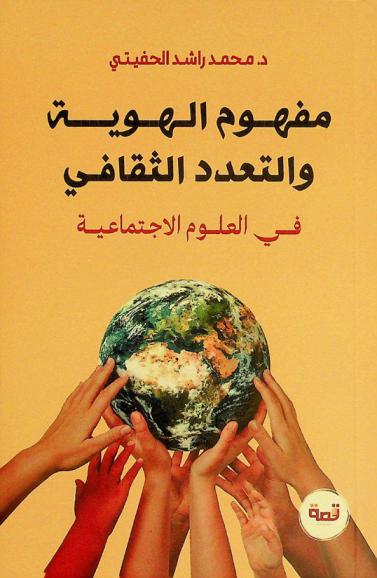
مفهوم الهوية والتعدد الثقافي في العلوم الاجتماعية
يعد أحد الكتب المهمة التي تناقش موضوع الهوية والتنوع الثقافي من منظور العلوم الاجتماعية. يتناول الكتاب قضايا معاصرة تتعلق بالهوية، مثل : مفهوم الهوية : تعريف الهوية الثقافية والاجتماعية، وكيف تتشكل في المجتمعات المتنوعة، التعددية الثقافية : دراسة تأثير التنوع الثقافي على المجتمعات وكيفية إدارة الاختلافات الثقافية لتحقيق التعايش السلمي. العلوم الاجتماعية والهوية : كيف تنظر العلوم الاجتماعية إلى الهوية كموضوع بحثي، ودورها في تحليل التحولات الثقافية والاجتماعية. الكتاب يطرح رؤية شاملة تجمع بين النظريات الاجتماعية والنماذج الثقافية لفهم كيفية التفاعل بين الأفراد والمجتمعات ضمن إطار التنوع الثقافي.
Book

الآثار المترتبة على استخدام مواقع التواصل الاجتماعي وعلاقتها بالهوية الثقافية والأمن النفسي لدى طلاب الجامعة
هدف البحث إلى دراسة الآثار (المعرفية، النفسية، الاجتماعية، الدينية والأخلاقية، والسياسية) المترتبة على استخدام مواقع التواصل الاجتماعي وعلاقتها بالهوية الثقافية والأمن النفسي لدى طلاب الجامعة، واستخدم الباحثان استبانة لقياس الآثار المترتبة على استخدام مواقع التواصل الاجتماعي ومقياس الهوية الثقافية وهي من إعدادهما، كما استخدم مقياس الأمن النفسي لماسلو وذلك للإجابة على تساؤلات البحث، وتكونت العينة الأساسية من (230) طالباً وطالبة، (110) طالباً، (120) طالبة، واستخدم الباحثان المنهج الوصفي بشقيه المقارن والارتباطي من خلال استخدام الاختبار التائي ومعامل الارتباط بوصفها من الوسائل الإحصائية، للتواصل للنتائج التي أظهرت أن: مستوى الآثار (المعرفية، النفسية، الاجتماعية، الدينية والأخلاقية، والسياسية) الإيجابية والسلبية تراوحت بين (متوسط وضعيف) بمتوسط يتراوح بين (2.24: 3.51)، حيث جاءت الآثار الإيجابية مرتبة كالآتي: (الدينية والأخلاقية، المعرفية، السياسية، النفسية، وأخيراً الاجتماعية)، بينما جاءت الآثار السلبية كالآتي: (النفسية، الدينية والأخلاقية، الاجتماعية، المعرفية، وأخيراً السياسية)، وجاء مستوى الهوية الثقافية مرتفعاً بمتوسط (3.96)، في حين جاء الأمن النفسي في المتوسط بمتوسط حسابي (16.33)، وقد وجدت فروق ذات دلالة إحصائية بين الطلاب والطالبات في الأمن النفسي والآثار الإيجابية والسلبية لصالح الطالبات، بينما لم توجد فروق دالة إحصائية بينهما في الهوية الثقافية، كما لم توجد فروق ترجع للتخصص (علمي/ إنساني) لديهما في الآثار الإيجابية والسلبية والهوية الثقافية والأمن النفسي. كما وجدت علاقة ارتباطية موجبة بين الآثار الإيجابية وكل من الهوية الثقافية والامن النفسي بمعامل ارتباط (0.660، 0.884)، ويرجع إلى الآثار النفسية والاجتماعية والسياسية. كما وجدت فروق ذات دلالة إحصائية بين مرتفعي ومنخفضي الهوية الثقافية في الآثار الإيجابية (النفسية، الاجتماعية، والسياسية) والامن النفسي لصالح مرتفعي الهوية الثقافية، بينما لم توجد فروق بينهما في الآثار الإيجابية (المعرفية، الدينية والأخلاقية).
Journal Article
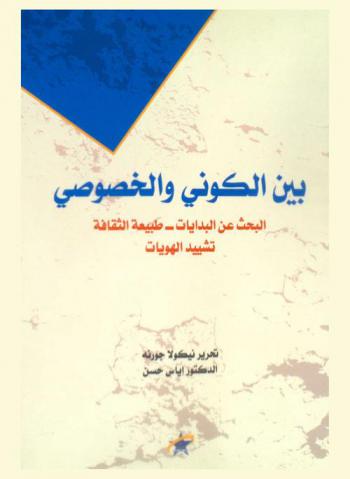
الثقافة بين الكوني والخصوصي : البحث عن البدايات، طبيعة الثقافة، تشييد الهويات : دراسة مقارنة
كتاب \"الثقافة بين الكوني والخصوصي\" ترجمة الدكتور إياس حسن يقدم للقارئ نموذجا غريبا من مفهوم الثقافة والتي عرفها \"إدوارد تايلور\" عام 1871 بأنها \"مجمل المعارف والمعتقدات والعادات التي اكتسبه الإنسان بصفته عضوا في مجتمع\" كما لقبت الإنتروبولوجيا في الولايات المتحدة ولمدة طويلة بالثقافة وبالرغم من ذلك لم تزل الثقافة دون تعريف شامل جامع.
BOOK

The Theme of Conflict between the East and the West in Zadie Smith's Novel white Teeth and Kiran Desai's the Inheritance of Loss
The argument of this study revolves around the crisis of reconstructing identity as a manifestation of cultural resistance in White Teeth by British writer Zadie Smith and in Kiran Desai's The Inheritance of Loss. This study will focus on how Zadie Smith and Kiran Desai attempt to build a culture of resistance in their respective nations' consciousness through their works. As colonialism has proven its influence on the histories of colonized nations, the colonized have infiltrated the colonialists' claimed justifications for imperialism. One of the controversial issues of post-colonialism is the question of identity, which has become very prominent in the modern age. This has led most writers, especially those with cultural diversity, to emphasize the idea of identity. The study will also examine how and why writers of resistance emphasize the need to free colonized societies from the cultural and political domination of imperial powers. It will demonstrate how both Smith and Desai strive to build a culture of awareness by interrogating the past, as illustrated in their novels. In these two novels, East meets West as a form of 'cultural resistance' within the context of imperialism. At the end of this study, the importance of conducting such research and the mutual resistance employed by these writers in constructing a culture of resistance will be highlighted. In each of these novels, the central tension revolves around the encounter and opposition between deeply rooted cultural factors, codes, and values in the East.
Journal Article