
Catalogue Search | MBRL


Are you sure you want to remove the book from the shelf?

{{itemTitle}}
706
result(s) for
"باكستان"
Sort by:

Empowering Women in Pakistan's Agriculture
This study examines the impact of sharecropping agricultural structures on women's empowerment in Pakistan, utilizing data from the Pakistan Social and Living Standard Survey (PSLM) across three-time cohorts: 2010-2011, 2014-2015, and 2019-2020. Employing a comprehensive empirical model and the Heckman two-step approach to address potential sample selection bias, we analyze a sample of 315,835 respondents. Contrary to initial expectations, our findings reveal that participation in sharecropping does not have a statistically significant impact on women's empowerment, as measured by female employment. However, the study identifies several other crucial determinants of empowerment. Education consistently demonstrates a positive and significant relationship with empowerment, reinforcing its vital role in enhancing women's status. Surprisingly, rural residence shows a strong positive effect on empowerment, challenging assumptions about urban areas offering more opportunities for women. Ethnicity emerges as a significant factor, with non-minority (Punjabi) women showing higher levels of empowerment. An unexpected finding is the positive association between being female and empowerment in the combined model of both genders, suggesting potential gains for women who overcome barriers to economic participation. These results have important implications for policy, highlighting the need for continued focus on education, targeted rural development programs, and interventions that increase women's control over resources in the agricultural sector. The study contributes to the broader understanding of the complex interplay between agricultural practices, socioeconomic factors, and women's empowerment in developing nations, while also identifying areas for future research, including the need for more nuanced, multidimensional measures of empowerment and longitudinal studies to establish causal relationships.
Journal Article
التحديات الداخلية في باكستان وتأثيراتها في المنطقة
تجتاز باكستان في الوقت الحاضر المرحلة الأشد اضطرابا في تاريخها؛ فعلى مدى 62 عاما من وجودها غالبا ما كانت تجد نفسها في مواجهة أزمة بعد أخرى ومن حيث طبيعتها فإن أسبابا داخلية وخارجية تقف وراء غياب الاستقرار على نحو متواصل كهذا وفي سياق البيئة السائدة حاليا فإن الأمن النووي قد اكتسب أهمية مضافة في باكستان اليوم ففي ضوء الأوضاع الأمنية الداخلية الراهنة هناك حاجة واضحة لتأمين المنشآت النووية وحمايتها من أي عمل تخريبي أو إرهابي وباكستان مدركة تماما لالتزاماتها ومسؤولياتها في هذا الخصوص.
BOOK
Impact of Audit Committees in Islamic Banks
To explore the impact of corporate governance especially audit committees on the financial risk of Islamic banks in Pakistan under Sharīʿah law. The study used panel data between (2018-2022) of Islamic banks in Pakistan. To facilitate the data analysis, we employed the fixed effect model in panel data regression. The study highlights that Islamic bank in Pakistan maintain a healthy financial position, with an average NPF of 3.91%, indicating strong risk management. Regression analysis confirms significant negative effects of audit committee size (ADC) and return on assets (ROA) on NPF, with coefficients of -0.199 (p = 0.0052) and -10.2036 (p = 0.0099), respectively. These findings emphasize the importance of profitability and effective audit committees in reducing financial risks. However, SSB1 and SSB2 show no significant relationships, with pvalues of 0.3838 and 0.1045, respectively. The fixed-effect model, validated by the Chow test (p = 0.000), ensures the robustness of the analysis. The major limitation of the research is time and resources and the availability of the quality and quantity of data. We conclude that due to the ultimate need to reduce financial risk, auditors must play an important role in banks, including Islamic banks. Our findings suggest that Islamic banks need to ensure audit committees operate efficiently. An effective system in Islamic banks that enhances accountability and transparency will be in the collective interest of society to enhance financial risk management First, to the extent of our knowledge, there is no previous research conducted to examine the effect of the effectiveness of audit committees. Second, our study aims to provide empirical evidence on the effect of audit committee effectiveness on financial risk in Islamic banks.
Journal Article
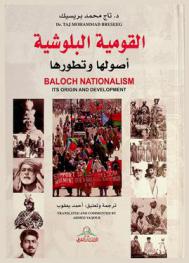
القومية البلوشية : أصولها وتطورها
يمثل هذا الكتاب في الأصل أطروحة لنيل درجة الدكتوراه في العلوم السياسية من جامعة لندن. وقد قام مؤلف الكتاب صاحب الأطروحة بجهد ميداني وفكري فريد لبحث موضوع الدراسة والذي يتعلق بمسألة هل هناك حركة قومية بلوشية وما هي أصول ومراحل تطور هذه الحركة في إيران وباكستان وأفغانستان يحكي هذا الكتاب في إجابته عن هذه الأسئلة مسيرة الشعب البلوشي حتى بداية الألفية الثانية، وهو يصف ويحلل القواعد والديناميات والآثار المترتبة على الحركة القومية البَلوُشية في الإطار الإقليمي والعالمي، والطريق الذي يرجح أن تسلكه في القرن الواحد والعشرين.
BOOK
Economic Evaluation of Islamic Banking in Pakistan
The term Islamic in Islamic banking naturally raises the question of what this word adds to the concept and practice of banking? The early literature on Islamic economics raised the bar of expectations and envisioned Islamic banking as distinct from conventional banking by avoiding interest in letters and spirit. Interest-based banking was thought to suffer from exclusion, inequality, injustice, misallocation of capital resources and concentration of capital. It was thought that Islamic banking, while avoiding interest, would be more inclusive, equitable, and fair and would result in a broad allocation of resources without the exclusionary criterion of a fixed cost of capital. It was also thought that this new banking system would reduce income and wealth inequalities and control the concentration of wealth. Today, after two decades of Islamic banking in Pakistan, it is pertinent to assess the progress and performance of these ideals. This study evaluates Islamic banking in terms of inclusiveness, competitiveness, and equity. The economic assessment shows that Islamic banks have secured financial inclusion for those who wish to avoid ribā. However, concerted efforts are needed to improve competitiveness and distinction regarding distributional impact of Islamic financial products.
Journal Article
Sharīʿah-Compliant Investing
This study explores the influence of Ijārah-Ṣukūk market determinants on Sharīʿah-compliant investments in Pakistan during a significant financial crisis that the country witnessed over the past two years (2022-2023). Utilizing a modified questionnaire, the research gathered data from three hundred (300) ṣukūk investors, analyzed using SmartPLS software. The study identifies Sharīʿah Compliance as the most influential factor in the restructured Islamic Market of Pakistan, followed by secondary market impact and credit ratings. The introduction of Sharīʿah-compliant securities is expected to attract investors to the benefits of structured markets, including yield, market liquidity, and balance in both long and short-term ṣukūk instruments. The application of this research in Pakistan's emerging Islamic Market highlights the role of ṣukūk market determinants in Sharīʿah-compliant investment. The findings are valuable for countries developing Islamic banking systems and policymakers. The study also highlights the role of ṣukūk market determinants in Sharīʿah-compliant investment. The findings are valuable for countries developing Islamic banking systems and policymakers endeavoring to expand Islamic financial instruments. The research emphasizes the market's pivotal factor, Sharīʿah Compliance, and its influence over secondary market dynamics and credit ratings. The study, examining the impact during a financial crisis, reveals that the introduction of Sharīʿah-compliant securities is likely to draw investors to the advantages of well-structured markets, such as yields, liquidity, and balance in ṣukūk instruments. The results offer insights for enhancing market environments and regulatory measures to create an attractive investment landscape.
Journal Article

الشيعة في باكستان من خلال المصادر والمراجع الأردية والإنجليزية
يهدف هذا البحث إلى دراسة الأوضاع الاجتماعية والمذهبية والسياسية للشيعة في باكستان، من خلال معالجة المادة العلمية المتناثرة في الكتابات الأردية والإنجليزية المتعلقة بموضوع البحث. كما سيقوم الباحث بتقديم دراسة ديموجرافية وافية عن طبيعة المجتمع الشيعي في باكستان داخل التركيبة السكانية المتنوعة، وكذا تحليل بعض أهداف ومقاصد الطائفة الشيعية من خلال كتاباتهم وآرائهم الدينية والسياسية، هذا إلى جانب كشف حقيقة وأهداف الطوائف والفرق الشيعية في باكستان وأماكن انتشارها ونفوذها، والتعرف على أساليبها وسماتها. ومن هنا تأتي أهمية دراسة الطائفة الشيعية في باكستان باعتبارها أقلية فاعلة في بلد إسلامي ذي غالبية سنية، فضلا عن نشاط حركة التشيع باعتبارها إحدى القوى المؤثرة في منطقة الشرق الأوسط. وقد سلكت في هذا البحث مناهج البحث العلمي التالية: (المنهج التاريخي، والمنهج الوصفي، والمنهج التحليلي). وكان من أهم النتائج التي خلصت إليها الدراسة أن الوجود الشيعي في شبه القارة الهندية قديم قدم الفتوحات الإسلامية الأولى لهذه البلاد، ولم يستطع الشيعة الكشف عن أنفسهم بقوة في الهند إلا في عهد الدولة المغولية. يتضح من توزيع الشيعة الديموجرافي أنهم يفضلون التمركز بشكل عام في مناطق مثل: (كراتشي، وحيدر آباد، ولاهور)؛ قصد تحقيق كثافة عددية كبيرة تمكنهم من حماية أنفسهم، وفرض هيمنتهم على بعض القطاعات. هذا وينقسم شيعة باكستان إلى فرق وطوائف مذهبية عديدة من أهمها: \"الإثنا عشرية، والبوهرة، والآغا خانية، والنور بخشية\"؛ وهي الفرق الشيعية الأكثر فاعلية وتأثيرا في باكستان.
Journal Article