Catalogue Search | MBRL


Are you sure you want to remove the book from the shelf?

{{itemTitle}}
50
result(s) for
"بصمات الأصابع"
Sort by:
علم البصمات وتطبيقاته في مجال تحقيق الشخصية
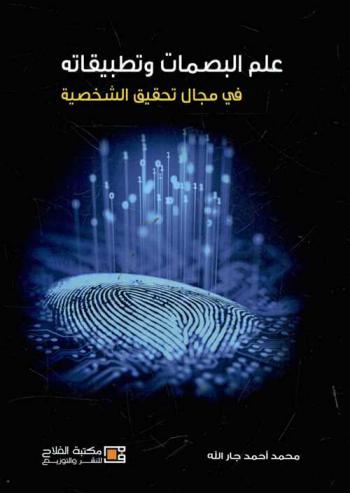
يتناول كتاب (علم البصمات وتطبيقاته في مجال تحقيق الشخصية) والذي قام بتأليفه ( محمد أحمد جار الله العماري) في حوالي (253) صفحة من القطع المتوسط موضوع (بصمات الأصابع) مستعرضا المحتويات التالية : الفصل الأول بعنوان تاريخ نشأة علم البصمات وتطوره، المبحث الأول التطورات التاريخية لعلم البصمات، تاريخ البصمات التقليدية، تاريخ النظام الآلي للتعرف على البصمات، التطبيق الرسمي لنظام البصمات في بعض الدول، المبحث الثاني تطور البصمة الآلية في شرطة دبي، بداية تطبيق البصمات في شرطة دبي، مشروع الحاسب الآلي للبصمات في شرطة دبي، تحديث البصمات في شرطة دبي، الفصل الثامن والأخير بعنوان مسرح الجريمة وأهميته عند خبراء الأدلة الجنائية، المبحث الأول أهمية دليل البصمات في مجال الإثبات الجنائي، المبحث الثاني التقييم الفني لمكان الحادث ودور الخبير الجنائي.
Book
المدخل إلي علم البصمات = Introduction to fingerprints science
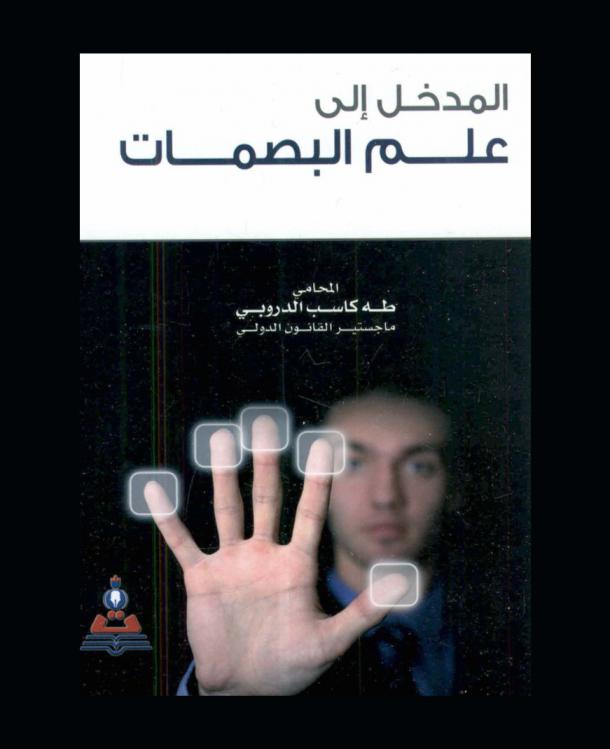
يتحدث الكتاب عن المدخل إلي علم البصمات والتعريف بعلم البصمات وكيفية أخذ انطباعات بصمات الأشخاص حيث يصنف علم البصمات من العلوم الطبيعية العلمية وهذه العلوم تمتاز بالثبات إلى حد كبير على العكس من العلوم الإنسانية التي تتسم بالتطور والتغير مع تطور المجتمعات المعاصرة إضافة إلى أن البصمات من خصائصها الثبات وعدم قابليتها للتغير أو التعديل ومن هنا فإن التطور في ميدان علم البصمات لا يعني التطور في البصمه نفسها بل يقصد به إدخال التقنية الحديثة في التعامل مع البصمات من خلال اكتشاف أجهزة جديدة ووسائل حديثة تسهل عملية التعامل مع البصمات ومعالجتها من الناحية التقنية البحتة بمعنى الوصول إلى تقنيات تسهل البحث والكشف عن مواقع البصمات في مسرح الجريمة وتيسير التقاطها وتظهيرها وإدخالها إلى الأجهزة المحوسبة وسهولة الرجوع إليها ومطابقتها وغير ذلك من الأمور العملية التي تقوم بها الأجهزة ذات الاختصاص.
Book

Demographic Variability in Fingerprint Patterns
Fingerprints' unique patterns are the source of human identification, particularly for forensic investigations. Several studies established an association of fingerprint patterns with demographic variables like age, gender, blood group, and social behavior, but these relations lack statistical evidence. Additionally, a socio-demographic factor, caste, remains unexplored. Here, we report the statistical relationship of demographic factors with fingerprint patterns in Bahawalpur, Pakistan. A quantitative and qualitative approach is utilized to study fingerprint patterns of 500 female individuals. Loop pattern accounts for 64.5%, followed by whorls 27.4% and arches 8.1%, in the sampled population. Among all castes, the loop pattern dominates, followed by whorls and arches. Rajpoot and Malik have slightly higher portions of whorls compared to other castes. A 1-sample t-test shows the variability among demographic factors and indicates that the fingerprint pattern may have some influence on demographic factors. One-way ANOVA highlights that caste may have some significant relation with arches and whorls, while age and blood group show no statistical significance. Pearson correlation and Spearmen Rank's correlation test give a significant p-value of 0.008 and 0.019, respectively, for caste and fingerprint patterns and support that a significant relationship exists, although weak. These findings emphasize the stability and reliability of fingerprint patterns as biometric identifiers in forensic investigations, especially in a particular demographic region. Future research should implement these findings in a larger population sample and demographic region to understand fingerprint patterns variability further.
Journal Article
\Bio\ Polymer-Based Powders as Hidden Treasures in Dactyloscopy
Different chemical, physical, and physico-chemical methods with addition of optical methods have been used for decades for the development of latent fingerprints (LFPs), even though the choice of a method depends on various factors (type and structure of the surface, external conditions, donor etc.). However, a universal system has not yet been fabricated, while many of those already used are toxic to the humans and the environment. Recently, researchers designed formulations based on (bio) polymeric materials and their specific properties, suitable for targeted interaction with fingerprint (FP) sweat and lipid residues. Some research groups produced fluorescent properties of particular polymeric materials to map sweat pores, while others encapsulated/incorporated dyes, pigments, etc. into polymeric matrix to obtain formulations of desired color and properties. Additionally, polymer micelles have become interesting due to their amphiphilic properties and the ability to incorporate compounds which could enable multi-colored emission brightness. Nevertheless, (polymeric) nanomaterial's are currently of a great importance in material science world, due to specific optical and electronic properties convenient for interaction with FP residues found on different (multi-colored, electro conductive, etc.) substrates. This paper focuses on (bio) polymer-based systems used to develop LFPs, different approaches of research groups and future possibilities to create the optimal system for specified purpose.
Journal Article