
Catalogue Search | MBRL


Are you sure you want to remove the book from the shelf?

{{itemTitle}}
3,090
result(s) for
"علم الكلام"
Sort by:
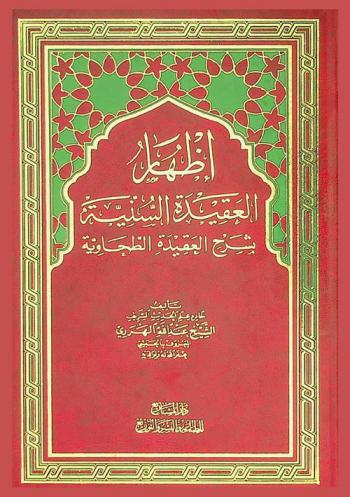
إظهار العقيدة السنية بشرح العقيدة الطحاوية /
يتناول كتاب (إظهار العقيدة السنية بشرح العقيدة الطحاوية) والذي قام بتأليفه (خادم علم الحديث الشريف الشيخ عبد الله الهرري) في حوالي (272) صفحة من القطع المتوسط موضوع (علم الكلام) مستعرضا أبرز المحتويات التالية : بيان أهمية علم التوحيد، بيان أن العقيدة الطحاوية هي عقيدة السلف من أهل السنة والجماعة، بيان أن الله واحد لا شريك له، بيان الجوهر والعرض وأن العالم محصور فيهما، بيان أن الله لا شئ مثله، بيان أن الاجتهاد لا يكون في المسائل الاعتقادية وأن اختلاف المجتهدين في الفروع، متن العقيدة الطحاوية.
Book

آراء أبي الحسن الأشعري في مسائل أصول الفقه وأثرها في اختياراته الكلامية
تُعنى هذه الدراسة بإبراز جانب مهم من التراث العلمي لأبي الحسن الأشعري (260-324ﻫ/874-936م) لم ينل حظه من البحث، وهو الجانب المتعلِّق بالعلاقة الجدلية التفاعلية عنده بين النظر في مسائل علم أصول الفقه والبحث في قضايا علم الكلام، من أجل الكشف عن أثر آرائه في الأول في توجيه مذاهبه في الثاني. وقد سلكت الدراسة في ذلك منهجاً يقوم على استنطاق نصوص الأشعري نفسه، وعدم التعويل على ما نُسِب إليه في مصنَّفات علماء الأصول والكلام المتأخرين، باستثناء ابن فورك الذي يُعَدُّ كتابه \"مقالات الأشعري\" مصدراً أولياً لفكر الأشعري بعد مصنَّفات هذا الأخير الثابتة نسبتها إليه. أمّا مناط التركيز في الدراسة فهو مباحث الجانب الأصولي اللغوي كما يتجلّى في تلك المصادر الأولية.
Journal Article
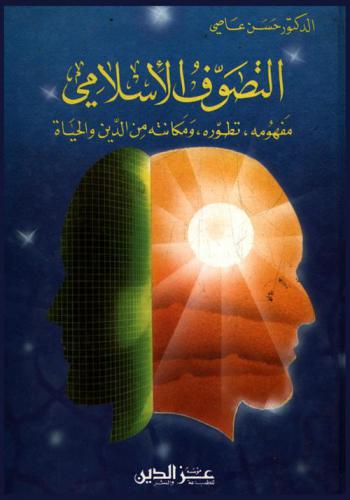
التصوف الإسلامي : مفهومه، تطوره، ومكانته من الدين والحياة /
استأثر التصوف باهتمام الباحثين قديما وحديثا، وكثرت الأبحاث والدراسات التي تناولته تأريخا ودراسة ونقدا فأيده باحثون وباركوه ورأوا فيه روحا انبعثت في الإسلام فأذكت فيه جذوة الإيمان. بينما ناهضه آخرون إذ رأوا فيه ظاهرة سلبية نالت من عزيمة المسلمين وأوهنت طموحهم. وهذا الكتاب يرمي إلى التعريف بالتصوف الإسلامي: مفهومه، نشأته وتطوره. فيشمل ما يتصل بالتصوف الإسلامي من نظريات وآراء وأفكار. ويسوق الشواهد ويثبت النصوص في النظرية الصوفية والتصوف فيتيح للقارئ الوقوف على الأفكار في منابعها ويغنيه عن المراجع والمصادر الأخرى.
Book

Criticism of the Ash'arites Theory on the Uncreatedness of Positive Attributes of God Based on the Foundations of Transcendental Wisdom
Divine attributes and their relation to essence is one of the most fundamental theological issues in the Islamic world that the Qur'anic verses in this regard have led to its emergence among Muslim thinkers. Meanwhile, the Ash'arites believe that the divine positive attributes are different from essence and uncreated in time, and they have various arguments due to comparing the present with the absent, to carry attributes on each other and on divine essence, and on the uncreated essence of God. These arguments seem to be fallacious. Because the problem of the reasons for the first part is the lack of a comprehensive commonality between the two sides of the comparison, namely the uncreated and created being. The reference of attributes to one another and to the essence also implies the extensional objectivity and their conceptual difference, not the uncreatedness and the differences. The uncreatedness of God also requires the revoke of Mu'tazilite theory on the createdness of attributes, and it has nothing to do with their uncreatedness and differences
Journal Article