
Catalogue Search | MBRL


Are you sure you want to remove the book from the shelf?

{{itemTitle}}
15
result(s) for
"كوريا أحوال اجتماعية"
Sort by:
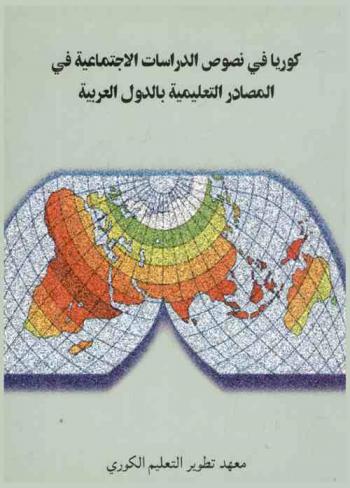
كوريا في نصوص الدراسات الاجتماعية في المصادر التعليمية بالدول العربية
يتناول كتاب (كوريا في نصوص الدراسات الاجتماعية في المصادر التعليمية بالدول العربية) والذي قام بتحريره (د. لي تشان-هي) في حوالي (76) صفحة من القطع المتوسط موضوع (التعليم في كوريا الجنوبية) مستعرضا المحتويات التالية : مراجعة المحتويات الخاصة بكوريا في نصوص الدراسات الاجتماعية في الدول العربية، تقديم موضوعات متعلقة بالمجتمع الإسلامي في الكتب المدرسية الابتدائية والإعدادية.
Book

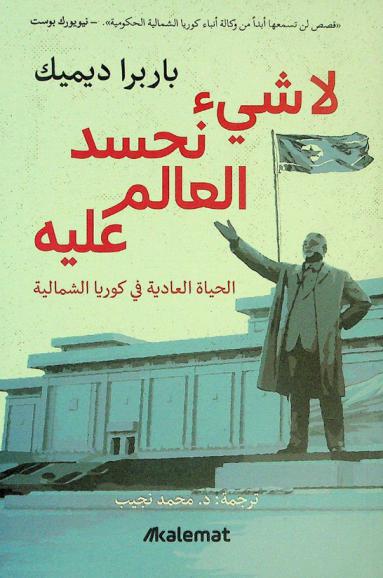
لا شئ نحسد العالم عليه : (الحياة العادية في كوريا الشمالية)
تسلط ديميك الضوء على معنى الحياة في ظل أكثر الأنظمة قمعية في التاريخ المعاصر. كوريا الشمالية بمثابة عالم «أورويلي» بامتياز ؛ عالم اختار بمحض إرادته ألا يتصل بالإنترنت وينعزل تماما عن العالم الخارجي، عالم التعبير فيه عن الحب علانية ممنوع، والواشون يكافؤون، وإشارة عفوية فحسب قد تزج بك في معتقل مدى الحياة. تصحبنا ديميك عميقا داخل هذا العالم بتحقيق صحفي دقيق ومرهف، لنرى شخوصه يقعون في الحب، ويبنون عائلاته، ويغذون طموحاته، ويصارعون من أجل النجاة، ونرى-عبر صفحات الكتاب-محاولتهم العميقة التحرر من الأوهام التي نسجتها الحكومة، وإدراكهم أن وطنهم بدلا من أن يوفر لهم حياة كريمة قد خانهم في الحقيقة.
Book


نهر في الظلام : هروب رجل من كوريا الشمالية
قصة حقيقية مروعة عن حياة رجل في كوريا الشمالية وهروبه منها لاحقا، عن ماساجي إيشيكاوا، الكوري من جهة الأب والياباني من جهة الأم والذي عاش حياته بأكملها وهو يشعر بأنه رجل بلا وطن. ولم يزدد هذا الشعور إلا تعمقا عندما انتقلت أسرته من اليابان إلى كوريا الشمالية، عندما كان إيشيكاوا في الثالثة عشرة من عمره فحسب، وصار دون رغبته ضمن أدنى طبقة اجتماعية.
Book

تجربة كوريا الجنوبية التنموية وتشجيع الصادرات
South Korea achieved a comprehensive development in all fields throughout the last three decades. Its industrial growth rate was high and so was its export growth rate. Thus Korean economists called the Korean experience \"The Economic Miracle on the Han River''. It is considered a miracle due to the short time it took and the volume of development it achieved. The Korean War (1950-1953) left Korea exhausted both economically and socially. The Korean economy has been destroyed due to the war. The country suffered from these impacts till 1960. In the beginning of the 60s, Korea began its economic transformation. It made the first five year economic development plan (1962-1966) in which it focused on a strategy to build new infrastructure, manufacturing to export, and encouraging private sector to access the manufacturing sector. The First Four Five year Development Plans led to the appearance of Korean industrial capitalism in the form of large companies known as \"Chaebol Group\". This group was able to upgrade Korean industry. During the last three decades, the country achieved high economic rates. The Korean GNP increased from 2.3 b$ in 1962 to 280.8 b$ in 1991 and 455.2 b$ in 2000. The GNP per capita income increased from $ 87 to $ 6498 and $ 9628 in the same periods. The value of exports increased from 50 m$ in 1962 to 71.87 b$ in 1991 and 172.2 in 2000. This success is not due to government policies only but to the labour force as well. Korea has skilled labour force which led to international competitiveness due to its cheap labour and high productivity. Textile exports repented 21% of total Korean exports in 1980 while steel exports represented 5% , ships 4% and electronic commodities 3% only .Total Korean exports was 17.5 b$ in 1980. In 2002 electronic semi-conductors represented 14% of total exports, textile exports only 7% .The most important exported goods were cars, house appliances, electronic commodities, computers, petrochemicals, ships, equipments and dynamos. Korea used to achieve continuous trade deficit since 1950 except during the rapid economic growth (1986-1989) and the Asian financial crisis (1998-2002) due to the rapid increase of export rate and the devaluation of the national currency (won) by 40% against international hard currencies.
Journal Article
