
Catalogue Search | MBRL


Are you sure you want to remove the book from the shelf?

{{itemTitle}}
4
result(s) for
"1946-2010"
Sort by:

Shade : a tale of two presidents
The former official White House photographer compares the most recent two administrations via photos of Barack Obama side-by-side with tweets, headlines, and quotes from the Trump administration.
BOOK

Reexamining the Impact of Family Planning Programs on US Fertility: Evidence from the War on Poverty and the Early Years of Title X
Almost 50 years after domestic US family planning programs began, their effects on childbearing remain controversial. Using the countylevel roll-out of these programs from 1964 to 1973, this paper reevaluates their shorter and longer term effects on US fertility rates. I find that the introduction of family planning is associated with significant and persistent reductions in fertility driven both by falling completed childbearing and childbearing delay. Although federally funded family planning accounted for a small portion of the post-baby boom US fertility decline, my estimates imply that they reduced childbearing among poor women by 19 to 30 percent.
Journal Article
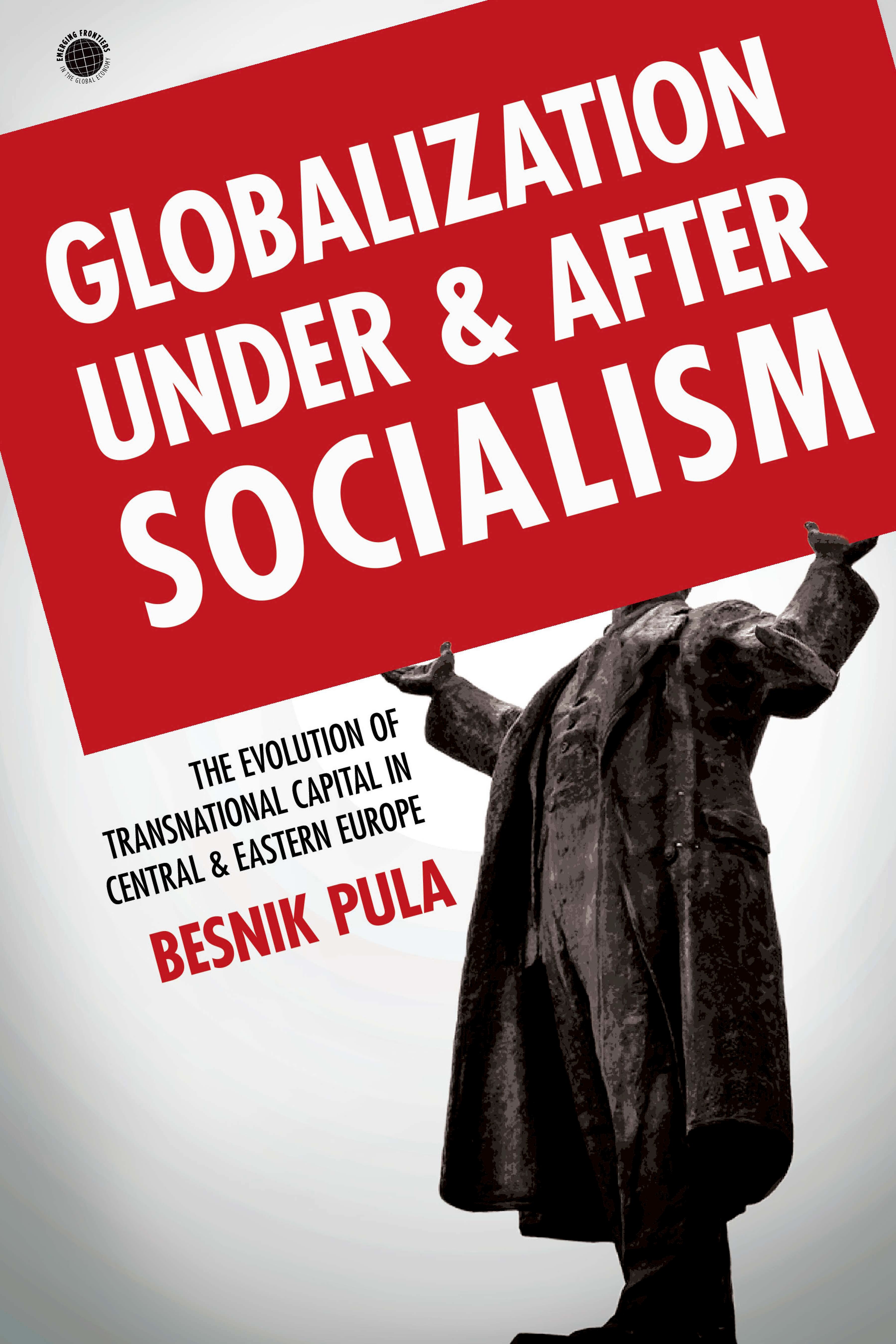
Globalization Under and After Socialism
The post-communist states of Central and Eastern Europe have gone from being among the world's most closed, autarkic economies to being some of the most export-oriented and globally integrated. While previous accounts have attributed this shift to post-1989 market reform policies, Besnik Pula sees the root causes differently. Reaching deeper into the region's history and comparatively examining its long-run industrial development, he locates critical junctures that forced the hands of Central and Eastern European elites and made them look at options beyond the domestic economy and the socialist bloc.
In the 1970s, Central and Eastern European socialist leaders intensified engagements with the capitalist West in order to expand access to markets, technology, and capital. This shift began to challenge the Stalinist developmental model in favor of exports and transnational integration. A new reliance on exports launched the integration of Eastern European industry into value chains that cut across the East-West political divide. After 1989, these chains proved to be critical gateways to foreign direct investment and circuits of global capitalism. This book enriches our understanding of a regional shift that began well before the fall of the wall, while also explaining the distinct international roles that Central and Eastern European states have assumed in the globalized twenty-first century.
eBook

How good are the government's deficit and debt projections and should we care?
Each year, the Congressional Budget Office (CBO) publishes its Budget and Economic Outlook. The CBO's deficit projections for the current fiscal year (FY) and the next 10 FYs are widely followed because they provide an assessment of the medium-term budget outlook based on current law and a presumed path for the economy over the next decade. Admittedly, this task is more difficult because of the required assumption that the laws governing future outlays and revenues do not change. Nevertheless, given its nonpartisan nature and the CBO's well-respected staff of professional economists and budget analysts, its projections are closely followed. In this article, the authors update their 2001 assessment of the accuracy of the CBOs short- and medium-term budget projections by adding an additional 10 years of data. Such analysis is useful in light of the dramatic change in actual and expected fiscal policy, especially over the past few years. In addition, they investigate the extent to which the CBOs projection errors are affected by errors in forecasting key economic variables and the extent to which the errors relate more to inaccurate projections of revenues or expenditures. Reprinted by permission of the Federal Reserve Bank of St. Louis
Journal Article