
Catalogue Search | MBRL


Are you sure you want to remove the book from the shelf?

{{itemTitle}}
13
result(s) for
"1960s los angeles"
Sort by:
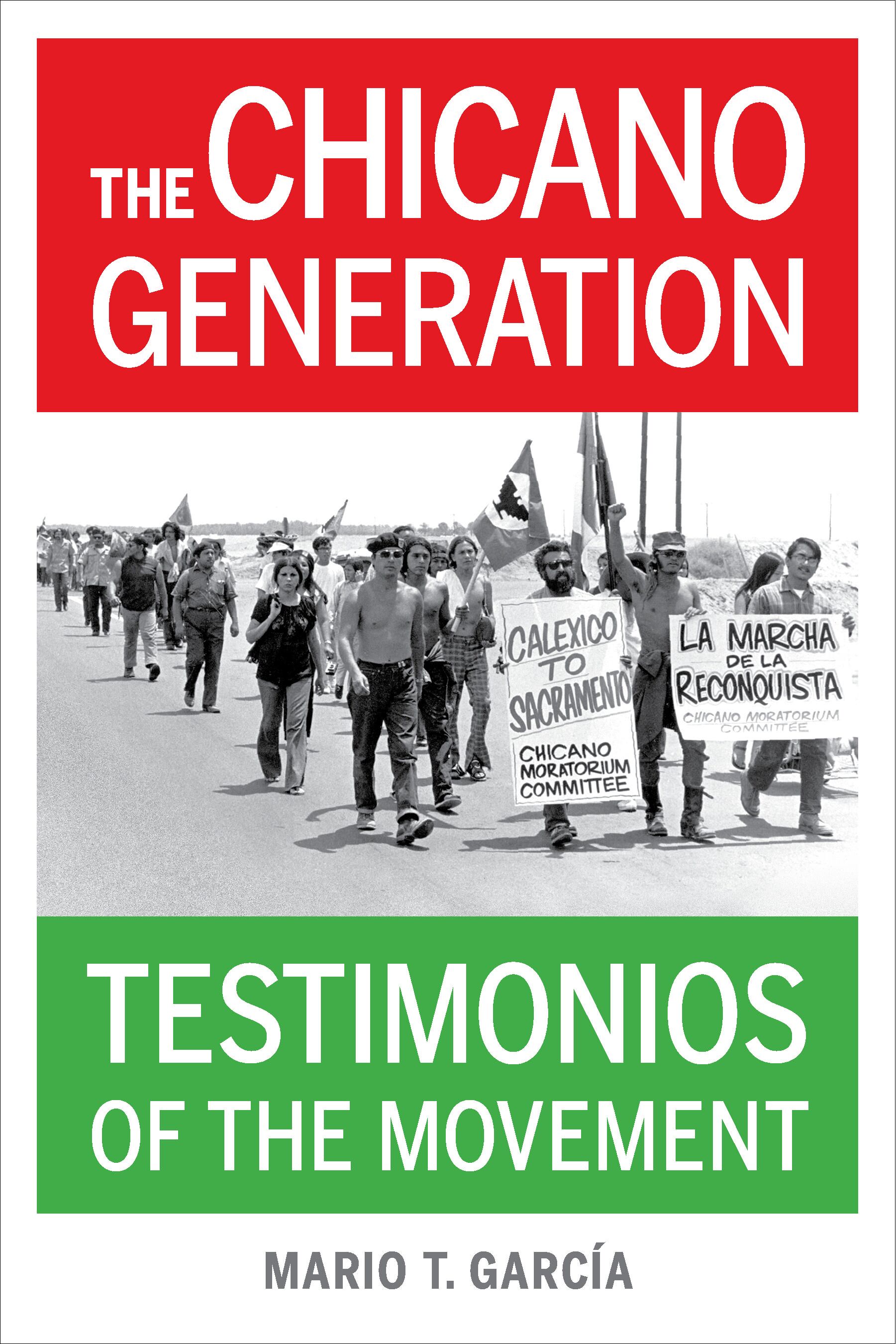
The Chicano generation
In The Chicano Generation, veteran Chicano civil rights scholar Mario T. García provides a rare look inside the struggles of the 1960s and 1970s as they unfolded in Los Angeles. Based on in-depth interviews conducted with three key activists, this book illuminates the lives of Raul Ruiz, Gloria Arellanes, and Rosalio Muñoz—their family histories and widely divergent backgrounds; the events surrounding their growing consciousness as Chicanos; the sexism encountered by Arellanes; and the aftermath of their political histories. In his substantial introduction, García situates the Chicano movement in Los Angeles and contextualizes activism within the largest civil rights and empowerment struggle by Mexican Americans in US history—a struggle that featured César Chávez and the farm workers, the student movement highlighted by the 1968 LA school blowouts, the Chicano antiwar movement, the organization of La Raza Unida Party, the Chicana feminist movement, the organizing of undocumented workers, and the Chicano Renaissance. Weaving this revolution against a backdrop of historic Mexican American activism from the 1930s to the 1960s and the contemporary black power and black civil rights movements, García gives readers the best representations of the Chicano generation in Los Angeles.
eBook

Death of the Moguls
Death of the Mogulsis a detailed assessment of the last days of the \"rulers of film.\" Wheeler Winston Dixon examines the careers of such moguls as Harry Cohn at Columbia, Louis B. Mayer at MGM, Jack L. Warner at Warner Brothers, Adolph Zukor at Paramount, and Herbert J. Yates at Republic in the dying days of their once-mighty empires. He asserts that the sheer force of personality and business acumen displayed by these moguls made the studios successful; their deaths or departures hastened the studios' collapse. Almost none had a plan for leadership succession; they simply couldn't imagine a world in which they didn't reign supreme.
Covering 20th Century-Fox, Selznick International Pictures, Metro-Goldwyn-Mayer, Paramount Pictures, RKO Radio Pictures, Warner Brothers, Universal Pictures, Republic Pictures, Monogram Pictures and Columbia Pictures, Dixon briefly introduces the studios and their respective bosses in the late 1940s, just before the collapse, then chronicles the last productions from the studios and their eventual demise in the late 1950s and early 1960s. He details such game-changing factors as the de Havilland decision, which made actors free agents; the Consent Decree, which forced the studios to get rid of their theaters; how the moguls dealt with their collapsing empires in the television era; and the end of the conventional studio assembly line, where producers had rosters of directors, writers, and actors under their command.Complemented by rare, behind-the-scenes stills,Death of the Mogulsis a compelling narrative of the end of the studio system at each of the Hollywood majors as television, the de Havilland decision, and the Consent Decree forced studios to slash payrolls, make the shift to color, 3D, and CinemaScope in desperate last-ditch efforts to save their kingdoms. The aftermath for some was the final switch to television production and, in some cases, the distribution of independent film.
eBook

Black, Brown, Yellow, and Left
Laura Pulido traces the roots of third world radicalism in Southern California during the 1960s and 1970s in this accessible, wonderfully illustrated comparative study. Focusing on the Black Panther Party, El Centro de Acción Social y Autonomo (CASA), and East Wind, a Japanese American collective, she explores how these African American, Chicana/o, and Japanese American groups sought to realize their ideas about race and class, gender relations, and multiracial alliances. Based on thorough research as well as extensive interviews, Black, Brown, Yellow, and Left explores the differences and similarities between these organizations, the strengths and weaknesses of the third world left as a whole, and the ways that differential racialization led to distinct forms of radical politics. Pulido provides a masterly, nuanced analysis of complex political events, organizations, and experiences. She gives special prominence to multiracial activism and includes an engaging account of where the activists are today, together with a consideration of the implications for contemporary social justice organizing.
eBook

A new scene, in the land of sun and surf
The founders of the gallery, curator Walter Hopps and artist Ed Kienholz, had a knack for finding like-minded souls whose camaraderie was based on their contempt for convention, their affection for surfboards, motorcycles and popular culture, and their deep commitment to visual experimentation.
Newspaper Article

BOOK REVIEW; Renegades in the sun: '60s art in L.A.; People, places and moments from the era are sketched out in anecdotes and details
More Vanity Fair than standard art history, it's an affectionate, deliciously gossipy account of the decade when a convergence of renegade artists, entrepreneurs, curators, collectors and writers put Los Angeles on the art world's map.
Book Review
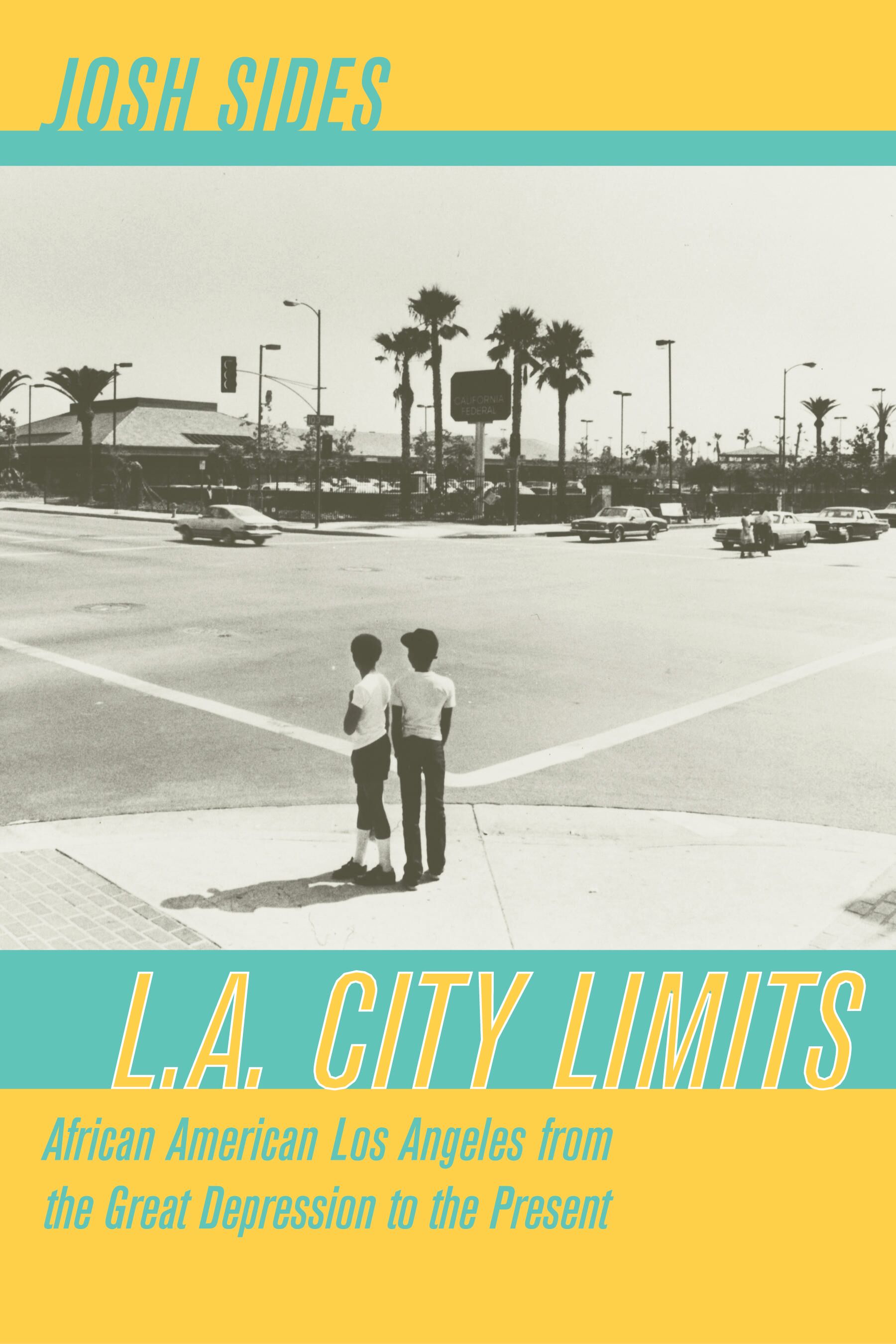
L.A. City Limits
In 1964 an Urban League survey ranked Los Angeles as the most desirable city for African Americans to live in. In 1965 the city burst into flames during one of the worst race riots in the nation's history. How the city came to such a pass—embodying both the best and worst of what urban America offered black migrants from the South—is the story told for the first time in this history of modern black Los Angeles. A clear-eyed and compelling look at black struggles for equality in L.A.'s neighborhoods, schools, and workplaces from the Great Depression to our day, L.A. City Limits critically refocuses the ongoing debate about the origins of America's racial and urban crisis. Challenging previous analysts' near-exclusive focus on northern \"rust-belt\" cities devastated by de-industrialization, Josh Sides asserts that the cities to which black southerners migrated profoundly affected how they fared. He shows how L.A.'s diverse racial composition, dispersive geography, and dynamic postwar economy often created opportunities—and limits—quite different from those encountered by blacks in the urban North.
eBook
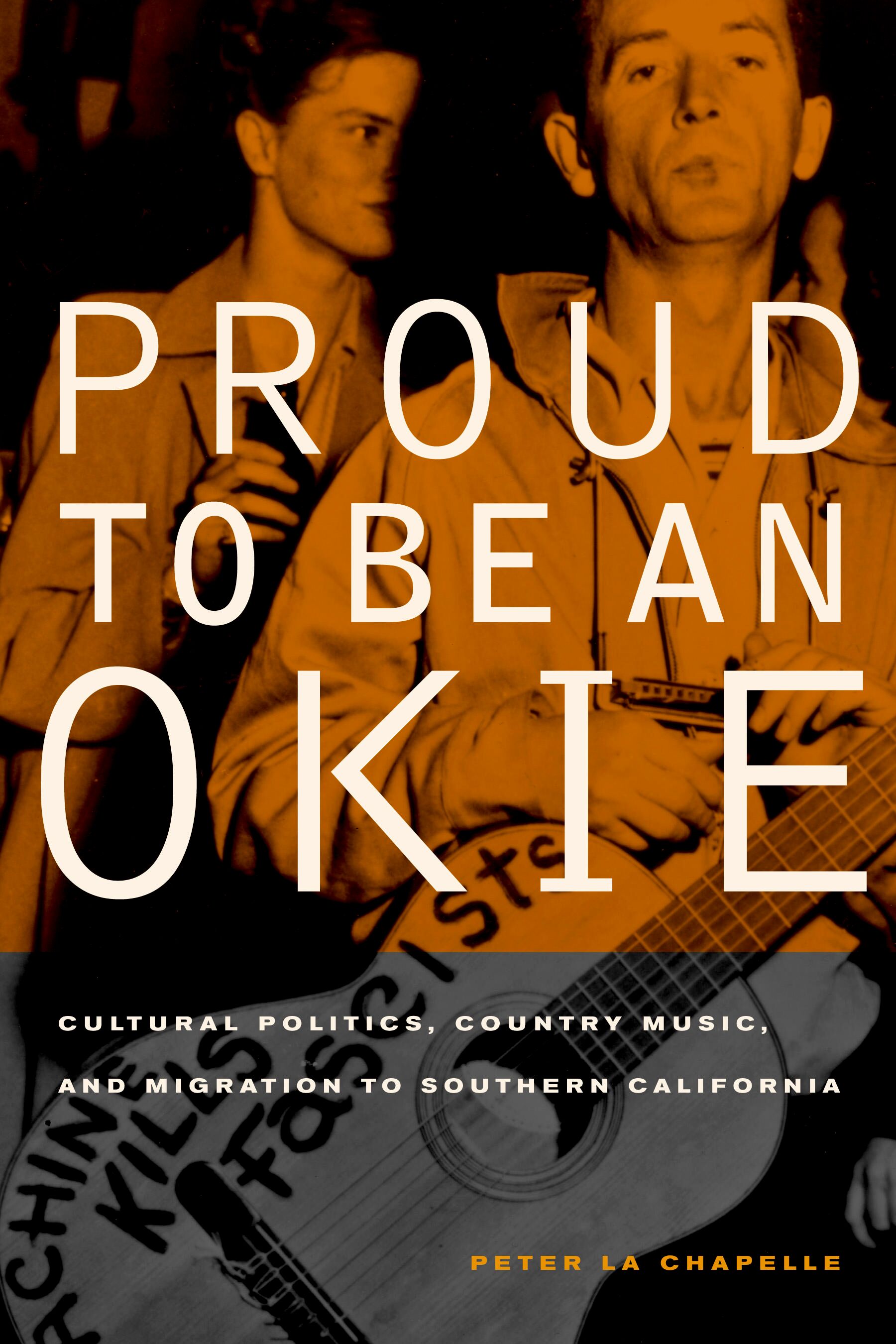
Proud to Be an Okie
Proud to Be an Okie brings to life the influential country music scene that flourished in and around Los Angeles from the Dust Bowl migration of the 1930s to the early 1970s. The first work to fully illuminate the political and cultural aspects of this intriguing story, the book takes us from Woody Guthrie's radical hillbilly show on Depression-era radio to Merle Haggard's \"Okie from Muskogee\" in the late 1960s. It explores how these migrant musicians and their audiences came to gain a sense of identity through music and mass media, to embrace the New Deal, and to celebrate African American and Mexican American musical influences before turning toward a more conservative outlook. What emerges is a clear picture of how important Southern California was to country music and how country music helped shape the politics and culture of Southern California and of the nation.
eBook
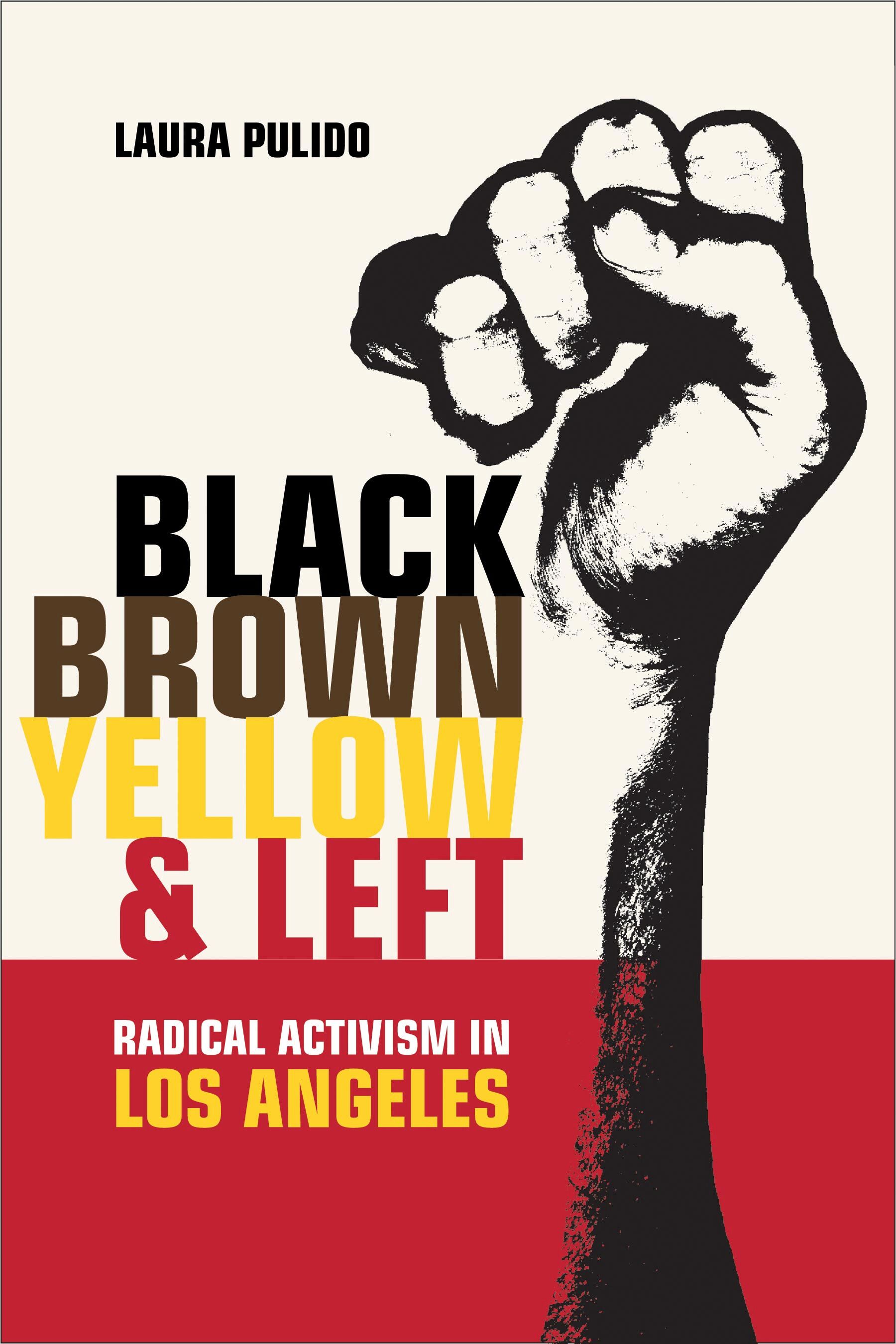
Black, Brown, Yellow, and Left
Laura Pulido traces the roots of third world radicalism in Southern California during the 1960s and 1970s in this accessible, wonderfully illustrated comparative study. Focusing on the Black Panther Party, El Centro de Acción Social y Autonomo (CASA), and East Wind, a Japanese American collective, she explores how these African American, Chicana/o, and Japanese American groups sought to realize their ideas about race and class, gender relations, and multiracial alliances. Based on thorough research as well as extensive interviews, Black, Brown, Yellow, and Left explores the differences and similarities between these organizations, the strengths and weaknesses of the third world left as a whole, and the ways that differential racialization led to distinct forms of radical politics. Pulido provides a masterly, nuanced analysis of complex political events, organizations, and experiences. She gives special prominence to multiracial activism and includes an engaging account of where the activists are today, together with a consideration of the implications for contemporary social justice organizing.
eBook

Mi Raza Primero, My People First
¡Mi Raza Primero! is the first book to examine the Chicano movement's development in one locale—in this case Los Angeles, home of the largest population of people of Mexican descent outside of Mexico City. Ernesto Chávez focuses on four organizations that constituted the heart of the movement: The Brown Berets, the Chicano Moratorium Committee, La Raza Unida Party, and the Centro de Acción Social Autónomo, commonly known as CASA. Chávez examines and chronicles the ideas and tactics of the insurgency's leaders and their followers who, while differing in their goals and tactics, nonetheless came together as Chicanos and reformers. Deftly combining personal recollection and interviews of movement participants with an array of archival, newspaper, and secondary sources, Chávez provides an absorbing account of the events that constituted the Los Angeles-based Chicano movement. At the same time he offers insights into the emergence and the fate of the movement elsewhere. He presents a critical analysis of the concept of Chicano nationalism, an idea shared by all leaders of the insurgency, and places it within a larger global and comparative framework. Examining such variables as gender, class, age, and power relationships, this book offers a sophisticated consideration of how ethnic nationalism and identity functioned in the United States during the 1960s and 1970s.
eBook
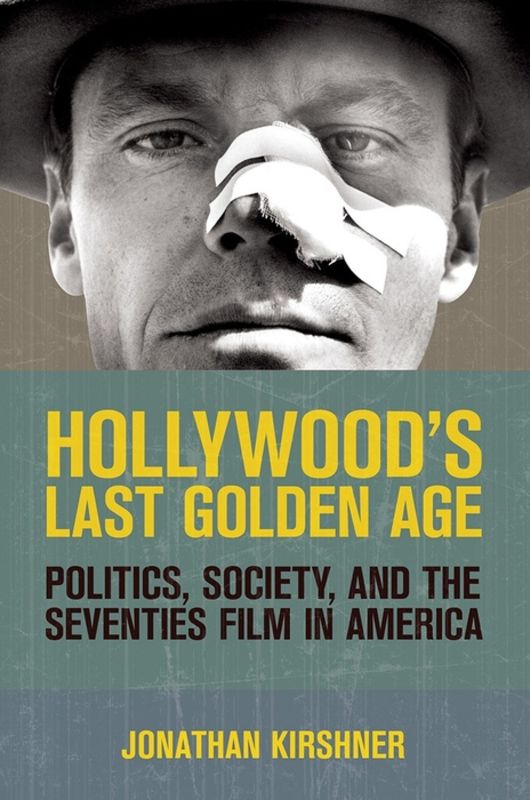
Hollywood's Last Golden Age
Between 1967 and 1976 a number of extraordinary factors converged to produce an uncommonly adventurous era in the history of American film. The end of censorship, the decline of the studio system, economic changes in the industry, and demographic shifts among audiences, filmmakers, and critics created an unprecedented opportunity for a new type of Hollywood movie, one that Jonathan Kirshner identifies as the \"seventies film.\" InHollywood's Last Golden Age, Kirshner shows the ways in which key films from this period-includingChinatown,Five Easy Pieces,The Graduate, andNashville, as well as underappreciated films such asThe Friends of Eddie Coyle,Klute, andNight Moves-were important works of art in continuous dialogue with the political, social, personal, and philosophical issues of their times.
These \"seventies films\" reflected the era's social and political upheavals: the civil rights movement, the domestic consequences of the Vietnam war, the sexual revolution, women's liberation, the end of the long postwar economic boom, the Shakespearean saga of the Nixon Administration and Watergate. Hollywood films, in this brief, exceptional moment, embraced a new aesthetic and a new approach to storytelling, creating self-consciously gritty, character-driven explorations of moral and narrative ambiguity. Although the rise of the blockbuster in the second half of the 1970s largely ended Hollywood's embrace of more challenging films, Kirshner argues that seventies filmmakers showed that it was possible to combine commercial entertainment with serious explorations of politics, society, and characters' interior lives.
eBook