
Catalogue Search | MBRL


Are you sure you want to remove the book from the shelf?

{{itemTitle}}
9
result(s) for
"1970s los angeles"
Sort by:
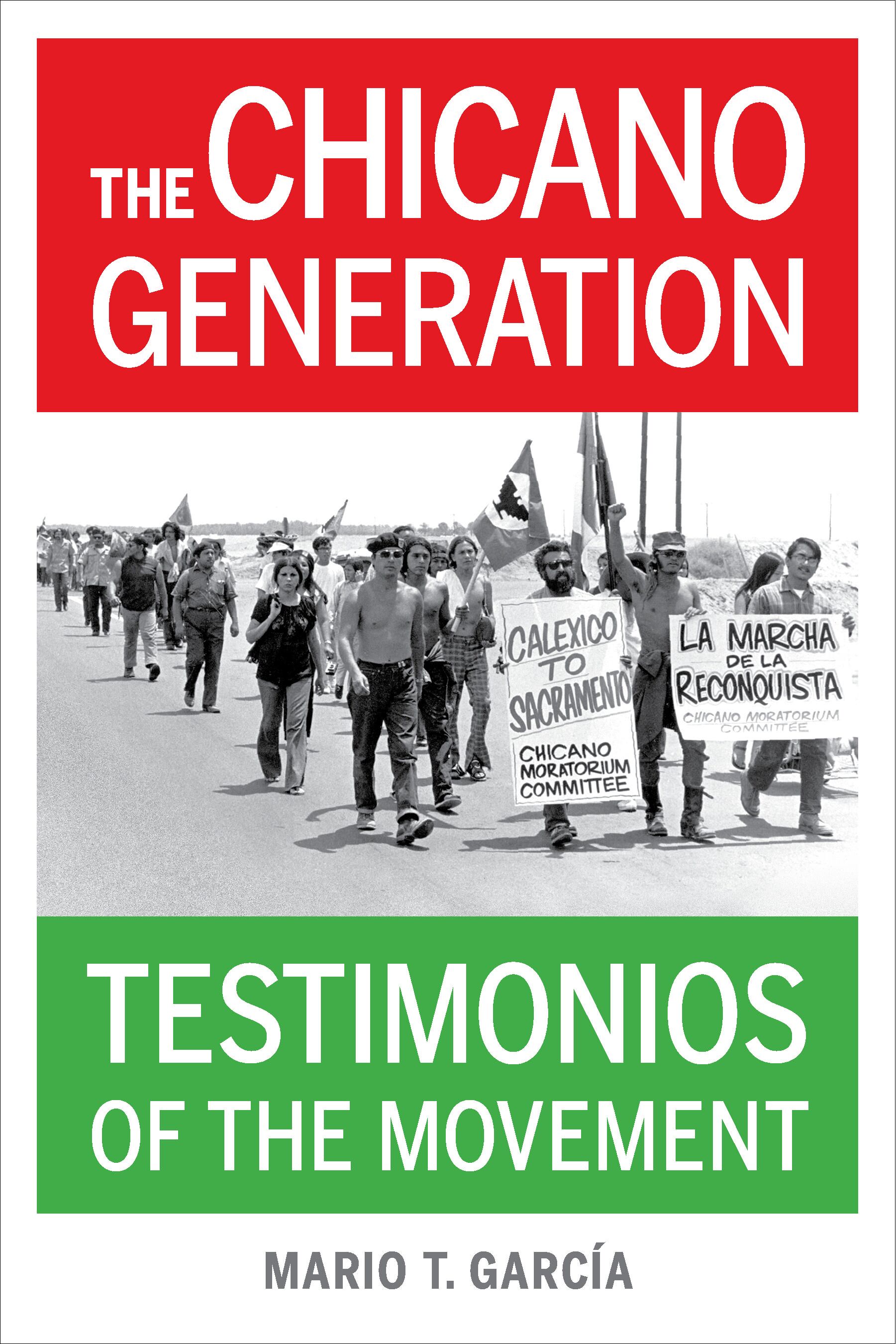
The Chicano generation
In The Chicano Generation, veteran Chicano civil rights scholar Mario T. García provides a rare look inside the struggles of the 1960s and 1970s as they unfolded in Los Angeles. Based on in-depth interviews conducted with three key activists, this book illuminates the lives of Raul Ruiz, Gloria Arellanes, and Rosalio Muñoz—their family histories and widely divergent backgrounds; the events surrounding their growing consciousness as Chicanos; the sexism encountered by Arellanes; and the aftermath of their political histories. In his substantial introduction, García situates the Chicano movement in Los Angeles and contextualizes activism within the largest civil rights and empowerment struggle by Mexican Americans in US history—a struggle that featured César Chávez and the farm workers, the student movement highlighted by the 1968 LA school blowouts, the Chicano antiwar movement, the organization of La Raza Unida Party, the Chicana feminist movement, the organizing of undocumented workers, and the Chicano Renaissance. Weaving this revolution against a backdrop of historic Mexican American activism from the 1930s to the 1960s and the contemporary black power and black civil rights movements, García gives readers the best representations of the Chicano generation in Los Angeles.
eBook


Black, Brown, Yellow, and Left
Laura Pulido traces the roots of third world radicalism in Southern California during the 1960s and 1970s in this accessible, wonderfully illustrated comparative study. Focusing on the Black Panther Party, El Centro de Acción Social y Autonomo (CASA), and East Wind, a Japanese American collective, she explores how these African American, Chicana/o, and Japanese American groups sought to realize their ideas about race and class, gender relations, and multiracial alliances. Based on thorough research as well as extensive interviews, Black, Brown, Yellow, and Left explores the differences and similarities between these organizations, the strengths and weaknesses of the third world left as a whole, and the ways that differential racialization led to distinct forms of radical politics. Pulido provides a masterly, nuanced analysis of complex political events, organizations, and experiences. She gives special prominence to multiracial activism and includes an engaging account of where the activists are today, together with a consideration of the implications for contemporary social justice organizing.
eBook

Women and New Hollywood
The 1970s has often been hailed as a great moment for American
film, as a generation of \"New Hollywood\" directors like Scorsese,
Coppola, and Altman offered idiosyncratic visions of what movies
could be. Yet the auteurist discourse hailing these directors as
the sole authors of their films has obscured the important creative
roles women played in the 1970s American film industry. Women
and New Hollywood revises our understanding of this important
era in American film by examining the contributions that women made
not only as directors, but also as screenwriters, editors, actors,
producers, and critics. Including essays on film history, film
texts, and the decade's film theory and criticism, this collection
showcases the rich and varied cinematic products of women's
creative labor, as well as the considerable barriers they faced. It
considers both women working within and beyond the Hollywood film
industry, reconceptualizing New Hollywood by bringing it into
dialogue with other American cinemas of the 1970s. By valuing the
many forms of creative labor involved in film production, this
collection offers exciting alternatives to the auteurist model and
new ways of appreciating the themes and aesthetics of 1970s
American film.
eBook
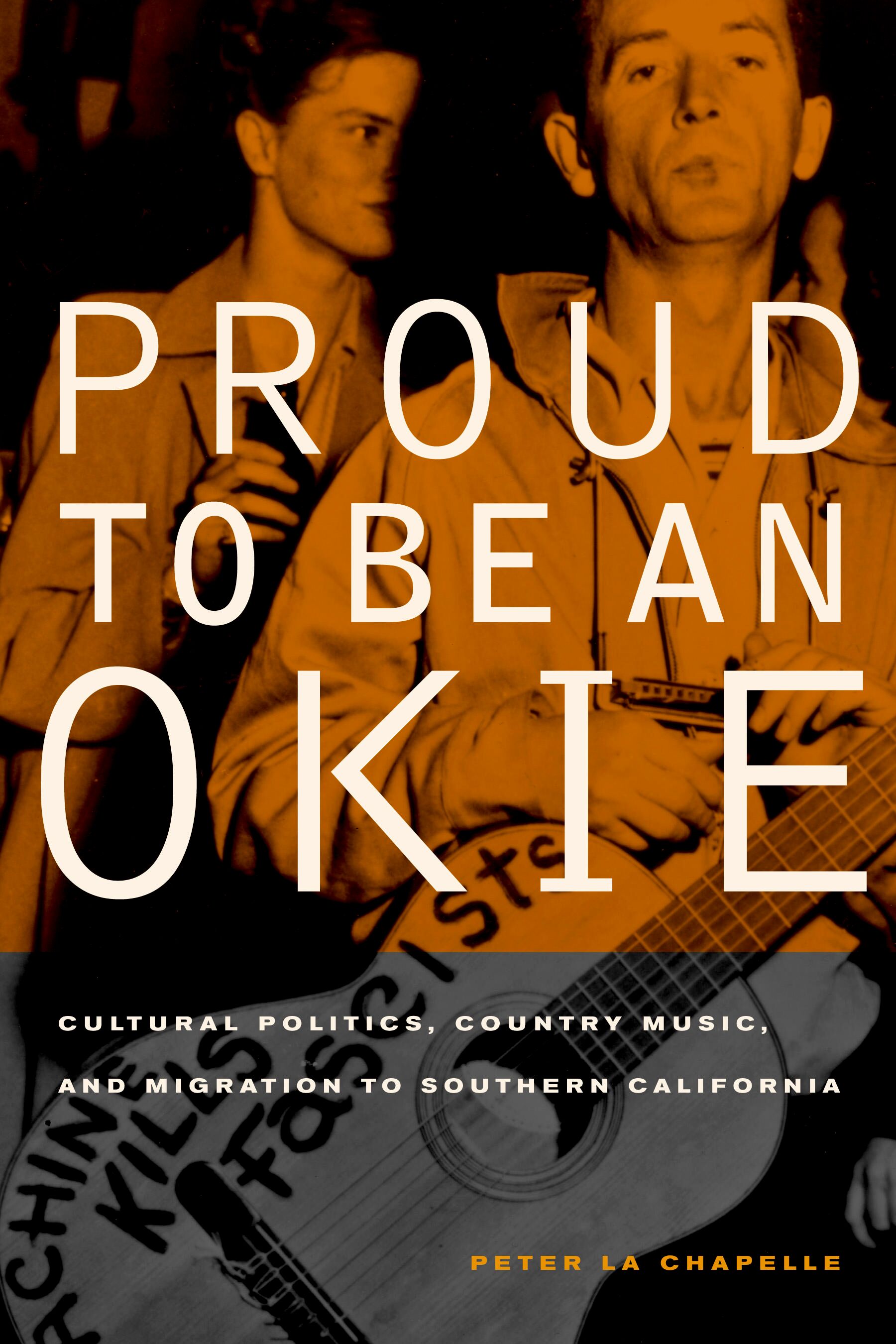
Proud to Be an Okie
Proud to Be an Okie brings to life the influential country music scene that flourished in and around Los Angeles from the Dust Bowl migration of the 1930s to the early 1970s. The first work to fully illuminate the political and cultural aspects of this intriguing story, the book takes us from Woody Guthrie's radical hillbilly show on Depression-era radio to Merle Haggard's \"Okie from Muskogee\" in the late 1960s. It explores how these migrant musicians and their audiences came to gain a sense of identity through music and mass media, to embrace the New Deal, and to celebrate African American and Mexican American musical influences before turning toward a more conservative outlook. What emerges is a clear picture of how important Southern California was to country music and how country music helped shape the politics and culture of Southern California and of the nation.
eBook
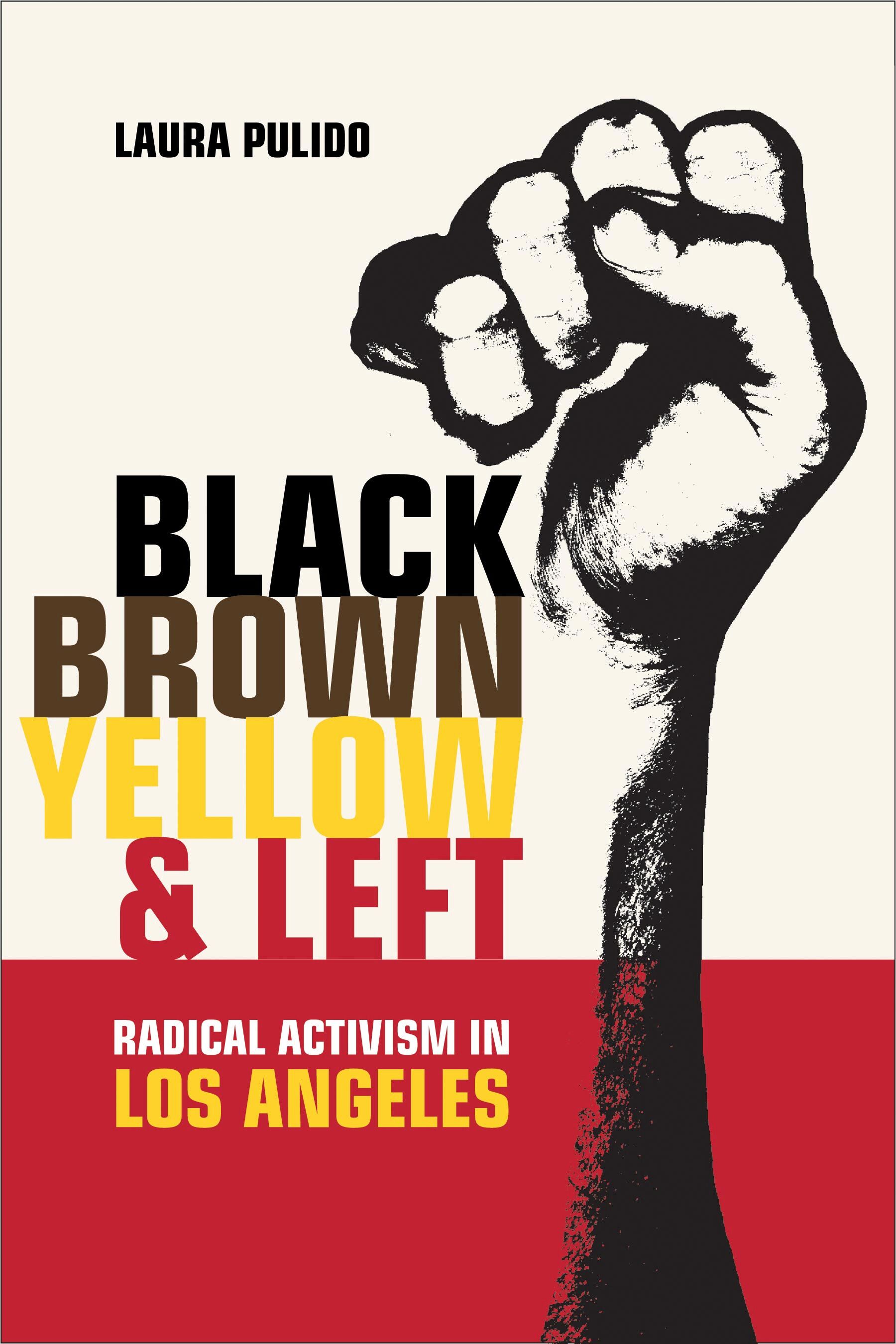
Black, Brown, Yellow, and Left
Laura Pulido traces the roots of third world radicalism in Southern California during the 1960s and 1970s in this accessible, wonderfully illustrated comparative study. Focusing on the Black Panther Party, El Centro de Acción Social y Autonomo (CASA), and East Wind, a Japanese American collective, she explores how these African American, Chicana/o, and Japanese American groups sought to realize their ideas about race and class, gender relations, and multiracial alliances. Based on thorough research as well as extensive interviews, Black, Brown, Yellow, and Left explores the differences and similarities between these organizations, the strengths and weaknesses of the third world left as a whole, and the ways that differential racialization led to distinct forms of radical politics. Pulido provides a masterly, nuanced analysis of complex political events, organizations, and experiences. She gives special prominence to multiracial activism and includes an engaging account of where the activists are today, together with a consideration of the implications for contemporary social justice organizing.
eBook

Mi Raza Primero, My People First
¡Mi Raza Primero! is the first book to examine the Chicano movement's development in one locale—in this case Los Angeles, home of the largest population of people of Mexican descent outside of Mexico City. Ernesto Chávez focuses on four organizations that constituted the heart of the movement: The Brown Berets, the Chicano Moratorium Committee, La Raza Unida Party, and the Centro de Acción Social Autónomo, commonly known as CASA. Chávez examines and chronicles the ideas and tactics of the insurgency's leaders and their followers who, while differing in their goals and tactics, nonetheless came together as Chicanos and reformers. Deftly combining personal recollection and interviews of movement participants with an array of archival, newspaper, and secondary sources, Chávez provides an absorbing account of the events that constituted the Los Angeles-based Chicano movement. At the same time he offers insights into the emergence and the fate of the movement elsewhere. He presents a critical analysis of the concept of Chicano nationalism, an idea shared by all leaders of the insurgency, and places it within a larger global and comparative framework. Examining such variables as gender, class, age, and power relationships, this book offers a sophisticated consideration of how ethnic nationalism and identity functioned in the United States during the 1960s and 1970s.
eBook
Chinatown
This chapter contains sections titled:
Chinatown as Neo‐Noir
Deceptive Appearances, Prejudicial Blindness, and Los Angeles's Chinatown
Los Angeles History and Identity
Immigrant Directors
Genre Transformation
Book Chapter
