
Catalogue Search | MBRL


Are you sure you want to remove the book from the shelf?

{{itemTitle}}
7,502
result(s) for
"2014"
Sort by:
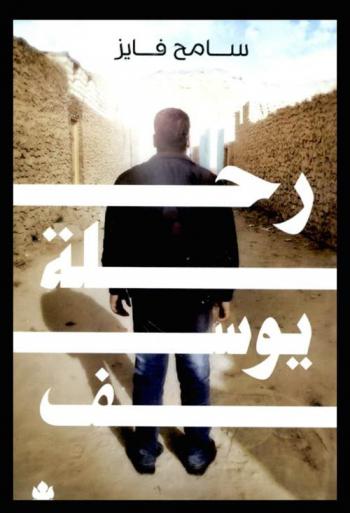
رحلة يوسف
ولد يوسف سامح فايز في 17 أبريل 2014، وتوفي في 10 يونيو 2014. وما بين هذين التاريخين قضى يوسف 54 يوما بين الحضانات وغرف العمليات. وقضاها سامح فايز بين أروقة وأقسام المستشفيات، ودوامات الأطباء متعارضي الآراء، والمغامرات القاسية للعثور على الأدوية غير المتوفرة إلا في السوق السوداء. بعد وفاة يوسف بعام خرج سامح فايز من منزله للبحث عن شيء يجهله. قضى خمسة عشر يوما متجولا في قرى ونجوع الصعيد، يزور مستشفيات ووحدات صحية وأطباء وصيدليات، ويقابل الناس ويسمع قصصهم مع المرض. لم يحمل معه سوى جهاز الكمبيوتر، يسجل عليه رحلته ويشهد على صراع الموت والحياة في بر مصر. كل ما حدث سطره بين دفتي هذا الكتاب : بعضه كتب أيام مرض يوسف، ونقله لنا كما كتبه، يوما بيوم، والبعض الآخر كتب خلال رحلته وهو يحاول مداواة ذلك الوجع الذي لزمه منذ ولادة يوسف وبعد رحيله. كتاب آسر وصادق... قراءته شيقة ومؤلمة وكاشفة في آن.
BOOK

Everyday War
Everyday War provides an accessible lens through which to understand what noncombatant civilians go through in a country at war. What goes through the mind of a mother who must send her child to school across a minefield or the men who belong to groups of volunteer body collectors? In Ukraine, such questions have been part of the daily calculus of life. Greta Uehling engages with the lives of ordinary people living in and around the armed conflict over Donbas that began in 2014 and shows how conventional understandings of war are incomplete. In Ukraine, landscapes filled with death and destruction prompted attentiveness to human vulnerabilities and the cultivation of everyday, interpersonal peace. Uehling explores a constellation of social practices where ethics of care were in operation. People were also drawn into the conflict in an everyday form of war that included provisioning fighters with military equipment they purchased themselves, smuggling insulin, and cutting ties to former friends. Each chapter considers a different site where care can produce interpersonal peace or its antipode, everyday war. Bridging the fields of political geography, international relations, peace and conflict studies, and anthropology, Everyday War considers where peace can be cultivated at an everyday level.
eBook

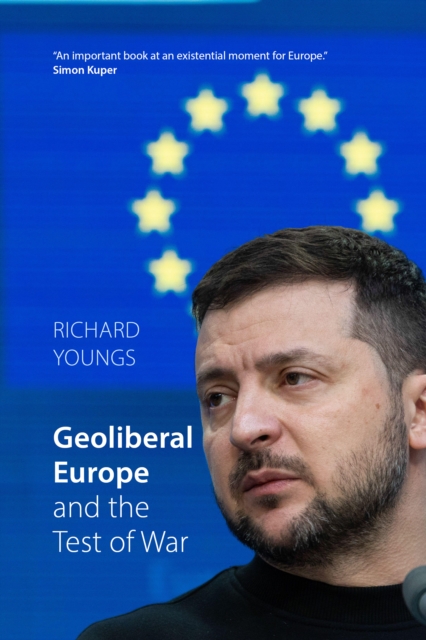
Geoliberal Europe and the Test of War
Russia's invasion of Ukraine has pushed Europe into a new strategic era. The knock-on effects of the war have combined to open a period of reordering across the European continent. European governments and the European Union collectively have begun to fashion policies for this shift, recognizing this to be a pivotal historical moment. Richard Youngs unpacks the different dynamics that have come to characterize European policies in the wake of the war: the nature of EU integration, geopolitical power, defence priorities, European borders, liberal values, the green transition and economic sovereignty. The book looks to the future and outlines the issues and choices with which European governments still need to grapple. Youngs develops the notion of geoliberalism as a way of addressing these challenges and guiding European governments and the EU into the fragile order taking shape in the shadow of Ukraine's war.
eBook
Forging Europe's Leadership
The world has been splintered by geopolitics and yet is still bound by interdependence. As competition between the world's great powers surges, multiple trends point towards the collapse of the international order. Russia's aggression against Ukraine marks a tipping point, potentially turning an already contested world into one of lasting regression on the political, security, economic, social and environmental fronts. While this scenario is not inevitable, it will take determined leadership to ward it off. This book argues that the European Union can, in cooperation with others, play a crucial role in averting a regressive world. However, doing so will require a decisive change of gear: deepening European integration while pursuing EU enlargement, enhancing all dimensions of Europe's power, and shifting from crisis management to delivering structural solutions to systemic challenges.
eBook

Sturtevant : double trouble
Known for her early repetitions of the work of her contemporaries including Jasper Johns, Roy Lichtenstein, Claes Oldenburg, James Rosenquist and Andy Warhol, Elaine Sturtevant (1924-2014) turned the visual logic of Pop art back on itself, using Duchamp's model of the readymade to probe uncomfortably at the workings of art history in real time. Yet the aspect of her work that allowed her to be described as the one artist who can't be copied--her chameleon-like embrace of other artists' art--is also what has allowed her to be largely overlooked in the history of postwar American art. Featuring previously unpublished drawings and sketches from the artists archive, the book includes an essay by the exhibition curator that provides a comprehensive overview of the artist's practice while situating it more concretely within American culture.
Book

Ukraine and the Empire of Capital
Since 1991, nominally independent Ukraine has been in turmoil, with the Orange Revolution and the Maidan protests marking its most critical moments. Now, its borders are threatened and the civil unrest and armed conflict continue to destabilise the country. In order to understand these dramatic events, Yuliya Yurchenko looks to the country’s post-Soviet past in this ambitious analysis of contemporary Ukrainian political economy.
Providing distinctive and unexplored reflections on the origins of the conflict, Yurchenko unpacks the four central myths that underlie Ukraine's post-Soviet reality: the myth of transition, the myth of democracy, the myth of two Ukraines, and the myth of 'the other'. In doing so, she sheds light on the current intensification of class rivalries in Ukraine, the kleptocracy, resource wars and analyses existing and potential dangers of the rightwing shift in Ukraine's polity, stressing a historic opportunity for change.
Critiquing the concept of Ukraine as ‘transition space’, she provides a sweeping analysis which includes the wider neoliberal restructuring of global political economy since the 1970s, with particular focus on Ukraine's relations with the US, the EU and Russia. This is a book for those wanting to understand the current conflict as a dangerous product of neoliberalism, of the empire of capital.
eBook

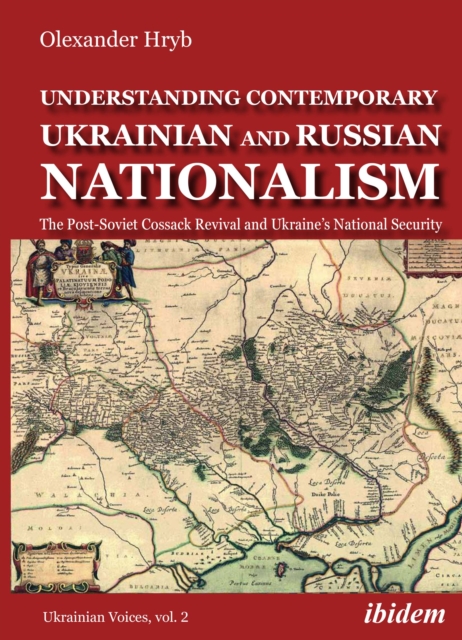
Understanding Contemporary Ukrainian and Russian Nationalism
Nationalism, national identity, and ethnicity are complex social phenomena worldwide and especially so in post-Soviet Ukraine. This monograph explores the causes and conditions of post-communist nationalist revivals focusing on the re-emergence of Cossack movements in Russia and Ukraine since the late 1980s. The study explores how different theories of nationalist movements underpinned different national policies and, ultimately, different socially constructed realities that led to the armed conflict between Russia and Ukraine.
eBook