
Catalogue Search | MBRL


Are you sure you want to remove the book from the shelf?

{{itemTitle}}
2
result(s) for
"64/56"
Sort by:

An atlas of gene regulatory elements in adult mouse cerebrum
The mammalian cerebrum performs high-level sensory perception, motor control and cognitive functions through highly specialized cortical and subcortical structures
1
. Recent surveys of mouse and human brains with single-cell transcriptomics
2
–
6
and high-throughput imaging technologies
7
,
8
have uncovered hundreds of neural cell types distributed in different brain regions, but the transcriptional regulatory programs that are responsible for the unique identity and function of each cell type remain unknown. Here we probe the accessible chromatin in more than 800,000 individual nuclei from 45 regions that span the adult mouse isocortex, olfactory bulb, hippocampus and cerebral nuclei, and use the resulting data to map the state of 491,818 candidate
cis
-regulatory DNA elements in 160 distinct cell types. We find high specificity of spatial distribution for not only excitatory neurons, but also most classes of inhibitory neurons and a subset of glial cell types. We characterize the gene regulatory sequences associated with the regional specificity within these cell types. We further link a considerable fraction of the
cis
-regulatory elements to putative target genes expressed in diverse cerebral cell types and predict transcriptional regulators that are involved in a broad spectrum of molecular and cellular pathways in different neuronal and glial cell populations. Our results provide a foundation for comprehensive analysis of gene regulatory programs of the mammalian brain and assist in the interpretation of noncoding risk variants associated with various neurological diseases and traits in humans.
A comprehensive analysis of gene regulatory elements in 160 distinct cell types from the mouse cerebrum.
Journal Article
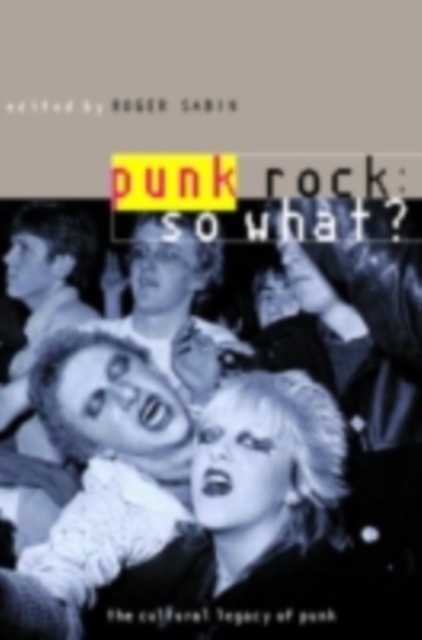
Punk Rock: So What?
It's now over twenty years since punk pogo-ed its way into our consciousness. Punk Rock So What? brings together a new generation of academics, writers and journalists to provide the first comprehensive assessment of punk and its place in popular music history, culture and myth. The contributors, who include Suzanne Moore, Lucy OBrien, Andy Medhurst, Mark Sinker and Paul Cobley, challenge standard views of punk prevalent since the 1970s. They: * re-situate punk in its historical context, analysing the possible origins of punk in the New York art scene and Manchester clubs as well as in Malcolm McClarens brain * question whether punk deserves its reputation as an anti-fascist, anti-sexist movement which opened up opportunities for women musicians and fans alike. * trace punks long-lasting influence on comics, literature, art and cinema as well as music and fashion, from films such as Sid and Nancy and The Great Rock n Roll Swindle to work by contemporary artists such as Gavin Turk and Sarah Lucas. * discuss the role played by such key figures as Johnny Rotten, Richard Hell, Malcolm McClaren, Mark E. Smith and Viv Albertine. Punk Rock Revisited kicks over the statues of many established beliefs about the meaning of punk, concluding that, if anything, punk was more culturally significant than anybody has yet suggested, but perhaps for different reasons.
eBook