
Catalogue Search | MBRL


Are you sure you want to remove the book from the shelf?

{{itemTitle}}
241
result(s) for
"661-750"
Sort by:
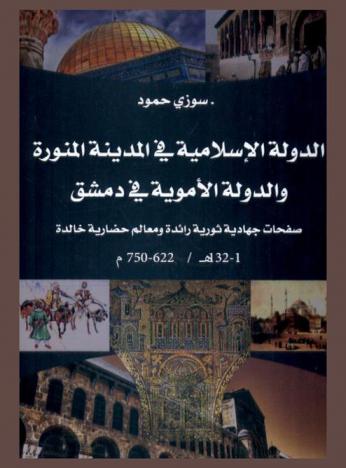
الدولة الإسلامية في المدنية المنورة والدولة الأموية في دمشق : صفحات جهادية ثورية رائدة ومعالم حضارية خالدة (1-132هـ / 622-750 م)
ندرت الكتب التي حملت عنوانا يجمع بين تاريخ وحضارة الدولة الإسلامية في المدينة المنورة والدولة الأموية في دمشق، أي طيلة الفترة (1-132هـجري- 622 -750ميلادي) فمعظم المؤرخين، تناولوا إما سيرة النبي صلى الله عليه وسلم أو تاريخ الدولة الإسلامية في المدينة المنورة الذي عرف أيضا بصدر الإسلام، أو تاريخ الدولة الأموية في دمشق، كما تناول بعضهم حدثا تاريخيا معينا أو ناحية حضارية معينة في هذه العهود الثلاثة لإلقاء الضوء بأسلوب تفصيلي. ومن الكتب النادرة التي جمعت بين تاريخ الدولة الإسلامية في المدينة المنورة والدولة الأموية في دمشق، كتاب (تاريخ الدولة العربية في العصر الراشدي والأموي) الذي وضعه عبد الرزاق علي عمران الأنباري عام 1985 ميلادي وكتاب (تاريخ الدولة العربية الذي وضعه السيد عبد العزيز سالم عام 1986 ميلادي) ويبقى هذا الكتاب الدولة الإسلامية في المدينة المنورة والدولة الأموية في دمشق أهم هذه الكتب النادرة التي تجمع بين تاريخ وحضارة هاتين الدولتين.
Book

Fighting in God's path: the Arab conquests and the creation of an Islamic empire
In just over a hundred years--from the death of Muhammad in 632 to the beginning of the Abbasid Caliphate in 750--the followers of the Prophet swept across the whole of the Middle East, North Africa, and Spain. Their armies threatened states as far flung as the Franks in Western Europe and the Tang Empire in China. The conquered territory was larger than the Roman Empire at its greatest expansion, and it was claimed for the Arabs in roughly half the time. How this collection of Arabian tribes was able to engulf so many empires, states, and armies in such a short period has perplexed historians for centuries. Most accounts of the Arab invasions have been based almost solely on the early Muslim sources, which were composed centuries later to illustrate the divinely chosen status of the Arabs. Robert Hoyland's groundbreaking new history assimilates not only the rich biographical information of the early Muslim sources but also the many non-Arabic sources, contemporaneous or near-contemporaneous with the conquests. In God's Path begins with a broad picture of the Late Antique world prior to the Prophet's arrival, a world dominated by two superpowers: Byzantium and Sasanian Persia. In between these empires, emerged a distinct Arabian identity, which helped forge the inhabitants of western Arabia into a formidable fighting force. The Arabs are the principal actors in this drama yet, as Hoyland shows, the peoples along the edges of Byzantium and Persia--the Khazars, Bulgars, Avars, and Turks--all played critical roles in the remaking of the old world order. The new faith propagated by Muhammad and his successors made it possible for many of the conquered peoples to join the Arabs in creating the first Islamic Empire. Well-paced, comprehensive, and eminently readable, In God's Path presents a sweeping narrative of a transformational period in world history.
eBook

الدولة الأموية في الشام
آثار هذا الكتاب الكثير من الجدل ؛ وخاصة في المجتمع العراقي حين صدر لأول مرة عام 1927 م، ما جعله من أشهر كتب القرن العشرين، وفي حقيقة الأمر كانت إشكالية الكتاب طائفية بالدرجة الأولى، فمن المعروف أن أغلب سكان العراق من الشيعة، والذين يملكون تاريخا حافلا من الصراع مع خلفاء بني أمية، ويتخذون مواقف حادة ممن يقوم بمدح هذه الدولة من قريب أو من بعيد، فكيف يكون الوضع حينئذ عندما يقوم \"أنيس زكريا النصولي\" السوري المقيم بالعراق بإهداء كتابه لبني أمية ؟ لكن على الرغم من هذا كله فإن الكتاب يضم بين طياته معلومات ذات قيمة تاريخية كبيرة حول تاريخ الدولة الأموية ؛ ثاني خلافة في تاريخ الإسلام، ففيه يتناول المؤلف بإسهاب تأسيس الدولة الأموية، وفتوحاتها، وحضارتها، وأحوال مجتمعها، وأخيرا الأسباب التي أودت بمجدها.
Book

In God's Path
In just over a hundred years-from the death of Muhammad in 632 to the beginning of the Abbasid Caliphate in 750-the followers of the Prophet swept across the whole of the Middle East, North Africa, and Spain. Their armies threatened states as far afield as the Franks in Western Europe and the Tang Empire in China. The conquered territory was larger than the Roman Empire at its greatest expansion, and it was claimed for the Arabs in roughly half the time. How this collection of Arabian tribes was able to engulf so many empires, states, and armies in such a short period of time is a question that has perplexed historians for centuries. Most recent popular accounts have been based almost solely on the early Muslim sources, which were composed centuries later for the purpose of demonstrating that God had chosen the Arabs as his vehicle for spreading Islam throughout the world. In this ground-breaking new history, distinguished Middle East expert Robert G. Hoyland assimilates not only the rich biographical and geographical information of the early Muslim sources but also the many non-Arabic sources, contemporaneous or near-contemporaneous with the conquests. The story of the conquests traditionally begins with the revelation of Islam to Muhammad. In God's Path, however, begins with a broad picture of the Late Antique world prior to the Prophet's arrival, a world dominated by the two superpowers of Byzantium and Sasanian Persia, \"the two eyes of the world.\" In between these empires, in western (Saudi) Arabia, emerged a distinct Arab identity, which helped weld its members into a formidable fighting force. The Arabs are the principal actors in this drama yet, as Hoyland shows, the peoples along the edges of Byzantium and Persia-the Khazars, Bulgars, Avars, and Turks-also played important roles in the remaking of the old world order. The new faith propagated by Muhammad and his successors made it possible for many of the conquered peoples to join the Arabs in creating the first Islamic Empire. Well-paced and accessible, In God's Path presents a pioneering new narrative of one the great transformational periods in all of history.
eBook