
Catalogue Search | MBRL


Are you sure you want to remove the book from the shelf?

{{itemTitle}}
1,240,603
result(s) for
"ABUSES"
Sort by:

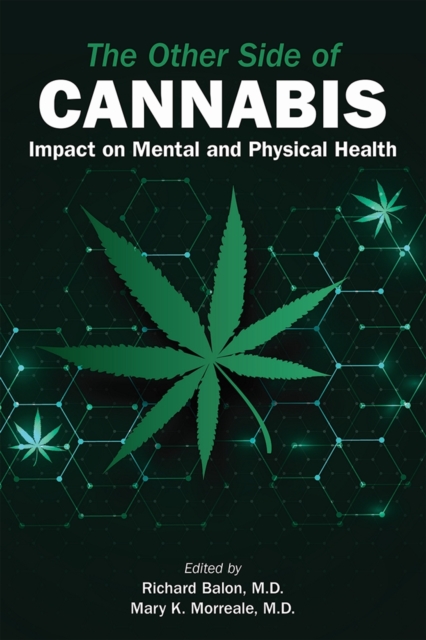
The Other Side of Cannabis
Although federal law in the United States still prohibits the use, possession, and sale of cannabis containing more than 0.3% THC, 24 states, the District of Columbia, and three U.S. territories have legalized the recreational use of marijuana. This trend is also seen in other countries, including Canada, South Africa, and Uruguay. Studies show that the prevalence of cannabis use disorder among people who use cannabis is relatively high. As the business of cannabis—both legal and illicit—and its use continue to grow, mental health and medical professionals must be prepared to address the effects of cannabis on the mind and body. Equipping providers with the relevant information is the intention of The Other Side of Cannabis. Relying on the insights of experts from around the world, this volume examines, among many other topics: • The frequency of use and deleterious effects of cannabis on adolescents, adults, and older adults• The link between cannabis and psychosis• The relationship between cannabis and posttraumatic stress disorder and anxiety disorders• The effects of cannabis on fertility—both male and female• The mechanisms and efficacy of cannabinoids on treating chronic pain Extensively referenced, this guide is rich in figures and tables for ease of reference. Key points at the end of each chapter aid in the retention and recall of the most important information. Readers will come away with a comprehensive understanding of the detrimental impact of cannabis use and be better positioned to educate patients, the public, and policymakers.
eBook

Gender-related stigma toward individuals with a history of sexual or physical violence in childhood
Background
Stigma is a key barrier to disclosing traumatic experiences of violence in childhood with adverse consequences for help-seeking behaviour. Disclosing behavior differs by gender and the form of violence experienced. However, there is a lack of comprehensive studies that address societal perceptions of males and females with a history of sexual or physical violence in childhood. Therefore, our aim is to focus on the impact of gender on the perception of individuals who experienced sexual or physical violence in childhood.
Methods
We conducted a study on a representative sample of the German general population in terms of age and gender. Participants were randomly assigned to brief case vignettes addressing sexual or physical violence in childhood. Analyses base on a sample of
n
= 659 individuals (50.1% female). Stigma was assessed through examining respondents’ readiness to address specific traumas in conversation and respondents’ attitudes toward the individuals in the vignettes. Mann–Whitney U tests were applied to check for differences between female and male victims and survivors as well as female and male respondents.
Results
Our results reveal that male victims and survivors face higher negative stereotypes (harm, unpredictability) and evoke communication barriers more often when compared to female victims and survivors, especially in male respondents. Sexual violence is associated with more distinct gender differences than physical violence.
Conclusions
Findings reflect greater stigma toward male victims and survivors of sexual violence than female ones. Men had a greater tendency to stigmatize – especially toward their same-gender peers. Socially ingrained gender roles may act as a basis for different communication cultures and the notion of victim-perpetrator constellations in which males are not envisaged as victims.
Journal Article

The Relationship of Adverse Childhood Experiences to PTSD, Depression, Poly-Drug Use and Suicide Attempt in Reservation-Based Native American Adolescents and Young Adults
Adverse childhood experiences (ACEs) are associated with numerous risk behaviors and mental health outcomes among youth. This study examines the relationship between the number of types of exposures to ACEs and risk behaviors and mental health outcomes among reservation-based Native Americans. In 2011, data were collected from Native American (N = 288; 15–24 years of age) tribal members from a remote plains reservation using an anonymous web-based questionnaire. We analyzed the relationship between six ACEs, emotional, physical, and sexual abuse, physical and emotional neglect, witness to intimate partner violence, for those <18 years, and included historical loss associated symptoms, and perceived discrimination for those <19 years; and four risk behavior/mental health outcomes: post-traumatic stress disorder (PTSD) symptoms, depression symptoms, poly-drug use, and suicide attempt. Seventy-eight percent of the sample reported at least one ACE and 40 % reported at least two. The cumulative impact of the ACEs were significant (
p
< .001) for the four outcomes with each additional ACE increasing the odds of suicide attempt (37 %), poly-drug use (51 %), PTSD symptoms (55 %), and depression symptoms (57 %). To address these findings culturally appropriate childhood and adolescent interventions for reservation-based populations must be developed, tested and evaluated longitudinally.
Journal Article

Arrested Justice
Black women in marginalized communities are uniquely at risk of battering, rape, sexual harassment, stalking and incest. Through the compelling stories of Black women who have been most affected by racism, persistent poverty, class inequality, limited access to support resources or institutions, Beth E. Richie shows that the threat of violence to Black women has never been more serious, demonstrating how conservative legal, social, political and economic policies have impacted activism in the U.S.-based movement to end violence against women. Richie argues that Black women face particular peril because of the ways that race and culture have not figured centrally enough in the analysis of the causes and consequences of gender violence. As a result, the extent of physical, sexual and other forms of violence in the lives of Black women, the various forms it takes, and the contexts within which it occurs are minimized-at best-and frequently ignored.Arrested Justicebrings issues of sexuality, class, age, and criminalization into focus right alongside of questions of public policy and gender violence, resulting in a compelling critique, a passionate re-framing of stories, and a call to action for change.
eBook

Childhood maltreatment and adult suicidality: a comprehensive systematic review with meta-analysis
This comprehensive systematic review and meta-analysis aims to quantify the association between different types of childhood maltreatment and suicidality. We searched five bibliographic databases, including Medline, PsychINFO, Embase, Web of Science and CINAHL, until January 2018. Random-effects meta-analysis was employed followed by univariable and multivariable meta-regressions. Heterogeneity was quantified using the I2 statistic and formal publication bias tests were undertaken. The methodological quality of the studies was critically appraised and accounted in the meta-regression analyses. Data from 68 studies based on n = 261.660 adults were pooled. All different types of childhood maltreatment including sexual abuse [odds ratio (OR) 3.17, 95% confidence interval (CI) 2.76–3.64], physical abuse (OR 2.52, 95% CI 2.09–3.04) and emotional abuse (OR 2.49, 95% CI 1.64–3.77) were associated with two- to three-fold increased risk for suicide attempts. Similar results were found for the association between childhood maltreatment and suicidal ideation. Complex childhood abuse was associated with a particularly high risk for suicide attempts in adults (OR 5.18, 95% CI 2.52–10.63). Variations across the studies in terms of demographic and clinical characteristics of the participants and other core methodological factors did not affect the findings of the main analyses. We conclude that there is solid evidence that childhood maltreatment is associated with increased odds for suicidality in adults. The main outstanding challenge is to better understand the mechanisms which underpin the development of suicidality in people exposed to childhood maltreatment because current evidence is scarce.
Journal Article

“I never expected that it would happen, coming to ask me such questions”:Ethical aspects of asking children about violence in resource poor settings
Background
International epidemiological research into violence against children is increasing in scope and frequency, but little has been written about practical management of the ethical aspects of conducting such research in low and middle-income countries. In this paper, we describe our study procedures and reflect on our experiences conducting a survey of more than 3,700 primary school children in Uganda as part of the Good Schools Study, a cluster randomised controlled trial of a school-based violence prevention intervention. Children were questioned extensively about their experiences of physical, sexual, and emotional violence from a range of different perpetrators. We describe our sensitisation and consent procedures, developed based on our previous research experience and requirements for our study setting. To respond to disclosures of abuse that occurred during our survey, we describe a referral algorithm developed in conjunction with local services. We then describe our experience of actually implementing these procedures in our 2012 survey, based on reflections of the research team. Drawing on 40 qualitative interviews, we describe children’s experiences of participating in the survey and of being referred to local child protection services.
Results
Although we were able to implement much of our protocol in a straightforward manner, we also encountered major challenges in relation to the response of local services to children’s disclosures of violence. The research team had to intervene to ensure that children were provided with appropriate support and that our ethical obligations were met.
Conclusions
In resource poor settings, finding local services that can provide appropriate support for children may be challenging, and researchers need to have concrete plans and back-up plans in place to ensure that obligations can be met. The merits of mandatory reporting of children’s disclosures to local services need to be considered on a case by case basis—in some places this has the potential to do harm. Research teams also must agree on what level of ancillary care will be provided, and budget accordingly. Further practical examples of how to address the challenges encountered in this work are needed, in order to build a consensus on best practices.
Trial registration
NCT01678846
(clinicaltrials.gov), August 24, 2012
Journal Article
Childhood sexual abuse and lifetime depressive symptoms: the importance of type and timing of childhood emotional maltreatment
Childhood sexual abuse (CSA) and emotional maltreatment are salient risk factors for the development of major depressive disorder (MDD) in women. However, the type- and timing-specific effects of emotional maltreatment experienced during adolescence on future depressive symptomatology in women with CSA have not been explored. The goal of this study was to fill this gap.
In total, 203 women (ages 20-32) with current depressive symptoms and CSA (MDD/CSA), remitted depressive symptoms and CSA (rMDD/CSA), and current depressive symptoms without CSA (MDD/no CSA) were recruited from the community and completed self-report measures. Depressive symptoms were assessed using the Beck Depression Inventory (BDI-II) and a detailed maltreatment history was collected using the Maltreatment and Abuse Chronology of Exposure (MACE). Differences in maltreatment exposure characteristics, including multiplicity and severity of maltreatment, as well as the chronologies of emotional maltreatment subtypes were compared among groups. A random forest machine-learning algorithm was utilized to assess the impact of exposure to emotional maltreatment subtypes at specific ages on current depressive symptoms.
MDD/CSA women reported greater prevalence and severity of emotional maltreatment relative to rMDD/CSA and MDD/no CSA women [
= 9.33,
< 0.001], specifically from ages 12 to 18. The strongest predictor of current depressive symptoms was parental verbal abuse at age 18 for both MDD/CSA women (variable importance [VI] = 1.08,
= 0.006) and MDD/no CSA women (VI = 0.68,
= 0.004).
Targeting emotional maltreatment during late adolescence might prove beneficial for future intervention efforts for MDD following CSA.
Journal Article

Child Maltreatment, Youth Violence, Intimate Partner Violence, and Elder Mistreatment: A Review and Theoretical Analysis of Research on Violence Across the Life Course
This article reports the results of a scoping review of the literature on life-course patterns of violence that span the developmental periods of childhood, adolescence, and early and middle adulthood. We also assess the evidence on elder mistreatment and its relation to earlier forms of violence. Additionally, we draw on theories and empirical studies to help explain the transmission of violence over time and relational contexts and the factors that appear to mitigate risks and promote resilience in individuals exposed to violence. Results suggest that encounters with violence beginning in childhood elevate the risk for violence in subsequent developmental periods. The strongest connections are between child maltreatment (physical abuse, emotional abuse, sexual abuse, and neglect) and violence in adolescence and between violence in adolescence and violence in early and middle adulthood. Persistence of violence into older adulthood leading to elder mistreatment is less well-documented, but probable, based on available research. We conclude that more attention should be paid to studying developmental patterns and intersecting forms of violence that extend into old age. To eradicate violence in all its forms, considerably more must be done to increase awareness of the repetition of violence; to connect research to actionable steps for prevention and intervention across the life course; and to better integrate systems that serve vulnerable children, youth, and adults. Primary prevention is essential to breaking the cycle of violence within families and to alleviating the risks to children caused by poverty and other external factors such as social disconnection within communities.
Journal Article

Childhood adversities and adult psychopathology in the WHO World Mental Health Surveys
Although significant associations of childhood adversities with adult mental disorders are widely documented, most studies focus on single childhood adversities predicting single disorders.
To examine joint associations of 12 childhood adversities with first onset of 20 DSM-IV disorders in World Mental Health (WMH) Surveys in 21 countries.
Nationally or regionally representative surveys of 51 945 adults assessed childhood adversities and lifetime DSM-IV disorders with the WHO Composite International Diagnostic Interview (CIDI).
Childhood adversities were highly prevalent and interrelated. Childhood adversities associated with maladaptive family functioning (e.g. parental mental illness, child abuse, neglect) were the strongest predictors of disorders. Co-occurring childhood adversities associated with maladaptive family functioning had significant subadditive predictive associations and little specificity across disorders. Childhood adversities account for 29.8% of all disorders across countries.
Childhood adversities have strong associations with all classes of disorders at all life-course stages in all groups of WMH countries. Long-term associations imply the existence of as-yet undetermined mediators.
Journal Article