
Catalogue Search | MBRL


Are you sure you want to remove the book from the shelf?

{{itemTitle}}
625
result(s) for
"Addicts Rehabilitation."
Sort by:


Medications for Opioid Use Disorder Save Lives
The opioid crisis in the United States has come about because of excessive use of these drugs for both legal and illicit purposes and unprecedented levels of consequent opioid use disorder (OUD). More than 2 million people in the United States are estimated to have OUD, which is caused by prolonged use of prescription opioids, heroin, or other illicit opioids. OUD is a life-threatening condition associated with a 20-fold greater risk of early death due to overdose, infectious diseases, trauma, and suicide. Mortality related to OUD continues to escalate as this public health crisis gathers momentum across the country, with opioid overdoses killing more than 47,000 people in 2017 in the United States. Efforts to date have made no real headway in stemming this crisis, in large part because tools that already exist-like evidence-based medications-are not being deployed to maximum impact.
To support the dissemination of accurate patient-focused information about treatments for addiction, and to help provide scientific solutions to the current opioid crisis, this report studies the evidence base on medication assisted treatment (MAT) for OUD. It examines available evidence on the range of parameters and circumstances in which MAT can be effectively delivered and identifies additional research needed.
eBook

Strengths-based approaches to crime and substance use : from drugs and crime to desistance and recovery
Although there is a strong and growing literature in the two areas of desistance and addiction recovery, they have developed along parallel pathways with little systematic assessment of the empirical evidence about the co-occurrence of the relationship or how one area can learn from the other. This book aims to fill that gap by bringing together emerging literature on the relationship between offending and substance use. Instead of focusing on the active period of its onset and persistence, this book examines the mechanisms that support desistance, addiction recovery, and the common themes of reintegration and rehabilitation. With contributions from a wide range of international experts in the fields of desistance and addiction recovery, the book focuses on a strengths-based, relational and community-focused approach to long-term change in offending and drug-using populations, as well as the shared barriers to effective reintegration for both. This book will be highly informative for a wide audience, from academics and students interested in studying desistance and recovery to those working in addiction services and the criminal justice system as well as policy makers and the people undertaking their own journeys to desistance and recovery.
Book


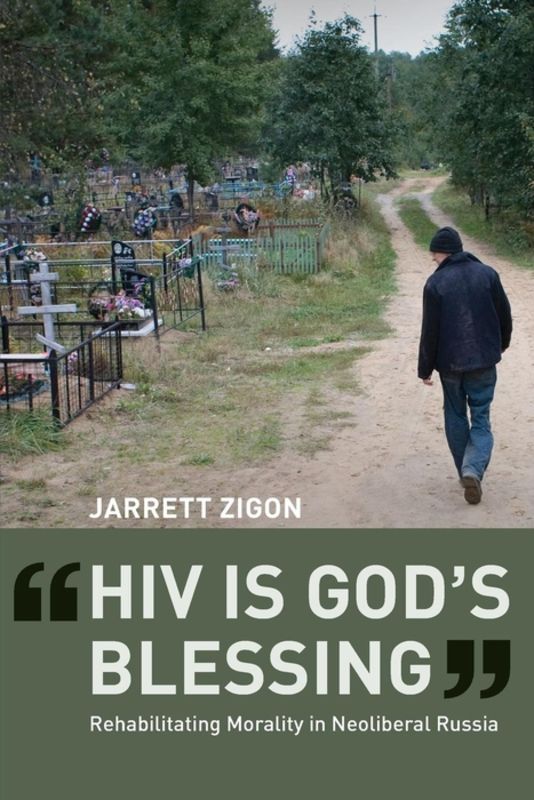
\HIV is God's blessing\
This provocative study examines the role of today's Russian Orthodox Church in the treatment of HIV/AIDS. Russia has one of the fastest-growing rates of HIV infection in the world—80 percent from intravenous drug use—and the Church remains its only resource for fighting these diseases. Jarrett Zigon takes the reader into a Church-run treatment center where, along with self-transformational and religious approaches, he explores broader anthropological questions—of morality, ethics, what constitutes a \"normal\" life, and who defines it as such. Zigon argues that this rare Russian partnership between sacred and political power carries unintended consequences: even as the Church condemns the influence of globalization as the root of the problem it seeks to combat, its programs are cultivating citizen-subjects ready for self-governance and responsibility, and better attuned to a world the Church ultimately opposes.
eBook
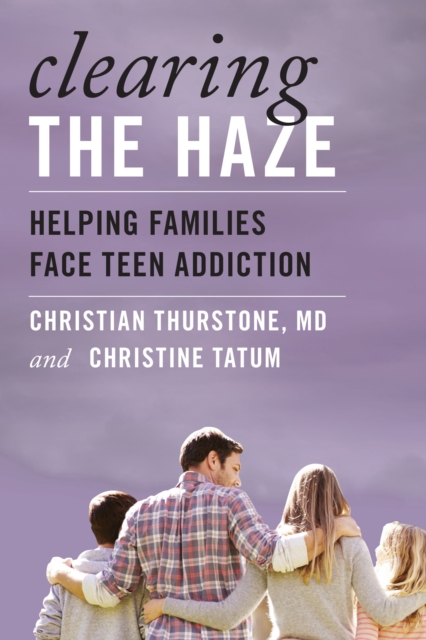
Clearing the haze
Often it is difficult for parents to recognize when their child is abusing alcohol, using illegal drugs, or in trouble with other substances that are hazardous to their health, safety, and wellbeing. Clearing the Haze is a guide designed to help parents determine whether their child may have a substance problem and, if so, how to begin to address it. The book includes the voices and insight of experts in substance abuse counseling, young people in recovery, and parents who have lived the nightmare of adolescent addiction. The book moves readers through an overview of adolescent brain development, the warning signs of drug use and addiction, treatment options, what families should expect of therapy, the basics of productive communication, and the difficulties of dealing lovingly with addicted teens. The authors encourage families entering the 12th step of \"giving back\" to consider advocacy for smarter public policies surrounding drug access and addiction treatment. They also provide a list of resources parents may find useful.
eBook