
Catalogue Search | MBRL


Are you sure you want to remove the book from the shelf?

{{itemTitle}}
48
result(s) for
"Affective disorders-Treatment"
Sort by:

Mood disorders
\"This Handbook gives an outstanding overview of the accomplishments to date and a sense of the excitement to come.\" Kay Redfield Jamison, Foreword Mood Disorders: A Handbook of Science and Practice provides an up-to-date summary of the latest theory and practice in unipolar and bipolar mood disorders. This comprehensive volume focuses on innovations in both science and clinical practice, and considers new pharmacological treatments as well as psychological therapies. With contributions from the worldâ??s leading authorities on mood disorders, all clinical psychologists and psychiatrists in practice and training will find this book an authoritative reference tool.
eBook

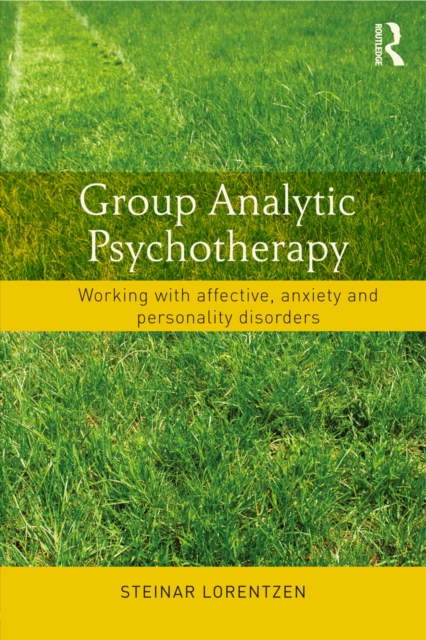
Group Analytic Psychotherapy
Group analytic theory is internationally recognised as an effective treatment for people suffering from mental distress, struggles with personal development and interpersonal problems. Integrating psychoanalytic and social psychological thinking and providing a group setting for self-discovery and developing social skills, long- and short-term courses in this type of therapy are increasing in popularity.
This manual provides a detailed description of both long- and short-term versions of group analytic therapy, with rich and vivid clinical examples to illustrate theory and techniques. Group Analytic Psychotherapy describes in detail what a participant may expect, differences between short- and long-term therapy and how to behave as a group member, as well as the main issues the clinician has to deal with. Topics covered include:
Group Analytic Theory
Methodology
Clinical Examples
Therapist Adherence and Competence
Providing a basis for understanding the dynamics of groups at work in offering emotional support and a positive atmosphere, Group Analytic Psychotherapy is ideal for clinicians, students and informed patients as well as all psychodynamically oriented professionals in the field. It is an essential manual for those looking to learn the main attributes of short-term intervention.
eBook

Retrain your brain : cognitive behavioral therapy in 7 weeks
\"Cognitive Behavioral Therapy (CBT) has proven to be the tipping point through which many people are finally able to make significant changes and break free of anxiety and depression. Cognitive Behavioral Therapy in 7 Weeks is an interactive workbook that outlines a simple, practical plan that occurs over the course of 7 weeks, and offers real, tangible relief from anxiety and depression. This is a cumulative workbook; the work you do each week builds upon that of the last and, ultimately, creates a lasting CBT tool kit that will prepare you to handle future challenges as they come\"-- Provided by publisher.
Book
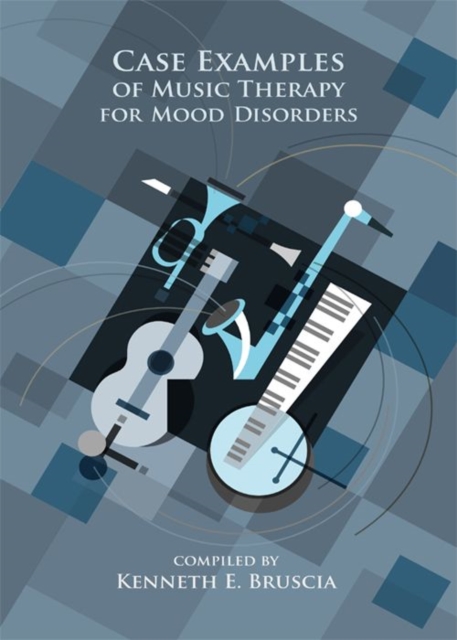
Case Examples of Music Therapy for Mood Disorders
Each case details the process by which therapist and client engage in music experiences that enable the client to explore and better utilize the personal resources needed to address his or her own therapeutic needs.
eBook


Unified Protocol for Transdiagnostic Treatment of Emotional Disorders
Unified Protocol for Transdiagnostic Treatment of Emotional Disorders, part of the TreatmentsThatWork series of therapist manuals and patient workbooks, is a radical departure from disorder-specific treatments of various emotional disorders, and is designed to be applicable to all anxiety and unipolar mood disorders, as well as other disorders with strong emotional components, such as many somatoform and dissociative disorders.
eBook
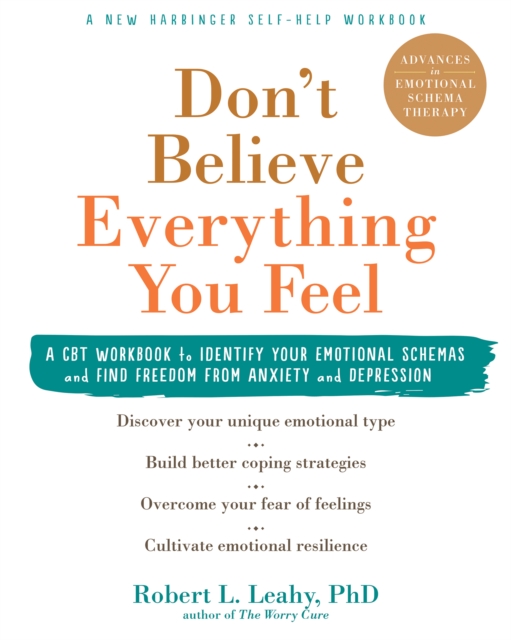
Don't Believe Everything You Feel
Find lasting freedom from difficult emotions with skills grounded in cognitive behavioral therapy (CBT) and emotional schema therapy.
If you struggle with difficult emotions, you should know that you aren't alone. Many people feel sad, worried, or stressed out—whether as a result of depression, anxiety, or simply dealing with the common struggles of daily life. Emotions are a natural and healthy part of being human. It's how we cope with these difficult emotions that reveal our true capacity for happiness, love, and joy.
Don't Believe Everything You Feel offers a groundbreaking approach blending CBT and emotional schema therapy to help you explore your own deeply held personal beliefs about emotions, determine if these beliefs are helpful or harmful, and find the motivation to adopt alternative, healthier coping strategies. Each chapter contains exercises such as self-assessment, expressive writing, or guided questioning to help you manage your emotions more productively.
There's no such thing as a \"bad, \" emotion. But if you're experiencing sadness, anger, or anxiety most of the time, you need to find balance. This book will show you how to better cope with your emotions and live a full, meaningful life.
eBook
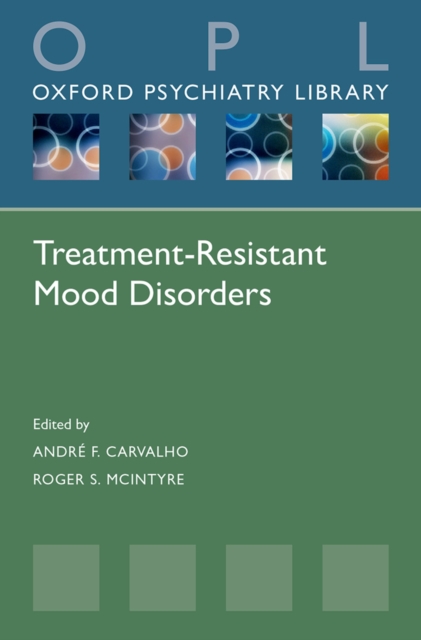
Treatment-Resistant Mood Disorders
Part of the Oxford Psychiatry Library (OPL) series, this pocketbook provides a concise view of the current definitions, assessment and evidence-based management of treatment-resistant mood disorders and reviews novel therapeutic targets for mood disorders, which may enhance the therapeutic armamentarium of clinicians in the near future.
eBook