
Catalogue Search | MBRL


Are you sure you want to remove the book from the shelf?

{{itemTitle}}
4,135
result(s) for
"Affective education."
Sort by:

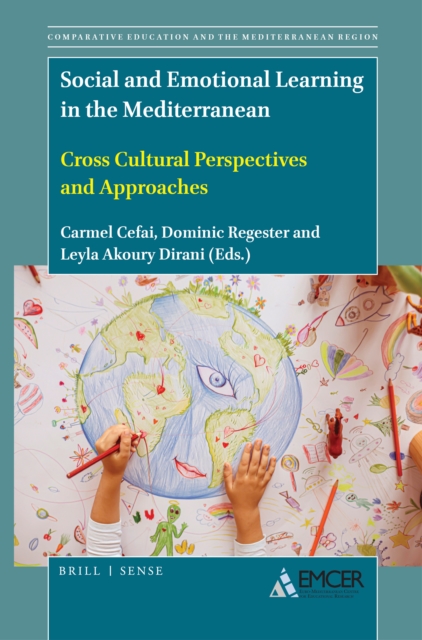
Social and Emotional Learning in the Mediterranean
Social and Emotional Learning in the Mediterranean, the first publication of its kind, examines social and emotional learning from a cross cultural perspective, discussing how various Mediterranean countries are adapting social and emotional learning to address their challenges in education and mental health promotion.
eBook

Mindfulness in the Classroom
In today's schools, students and teachers feel unprecedented—even alarming—levels of stress. How can we create calmer classrooms in which students concentrate better and feel more positive about themselves and others? Author Thomas Armstrong offers a compelling answer in the form of mindfulness, a secular practice he defines as the intentional focus of one's attention on the present moment in a nonjudgmental way.
In Mindfulness in the Classroom, Armstrong - Explains how mindfulness affects the structure and function of the brain.
- Provides an overview of mindfulness as both a personal practice and a classroom methodology that aligns with such educational models as Social and Emotional Learning (SEL), Positive Behavioral Intervention and Supports (PBIS), and Universal Design for Learning (UDL).
- Shares and explains the extensive research that shows the positive effects of mindfulness practices in the classroom.
- Describes how to adapt mindfulness for different grade levels, integrate it into regular school subjects, and implement it schoolwide.
- Offers guidelines for teaching mindfulness responsibly, without religious overtones.
Dozens of observations from teachers, students, researchers, and practitioners provide striking evidence of the power of mindfulness and offer hope to anyone who wants to make classrooms more productive places of learning.
eBook

Inequality in Key Skills of City Youth
This groundbreaking research volume addresses the topic of educational inequality from a global perspective. It includes 16 chapters from an international group of scholars who examine how well city school systems from around the world are preparing young people, particularly poor and minority students, with the skills they will need for further study, work, and life overall. While skills in key domains such as science, math, language, and civics have been center stage in international comparisons, there has been growing recognition of the effects that education has on the development of broader sets of capabilities such as social and emotional skills (also known as \"noncognitive\" or \"21st-century\" skills) that can affect the success of students in school and beyond. This volume aims to address the shortage of international data on the wide range of skills that students need to learn, enabling researchers to compare the types and causes of educational inequality in skills within and between cities.
eBook

Students Taking Action Together
A field-tested, classroom-based approach for developing the critical thinking, social-emotional, problem-solving, and discussion skills students need to be good citizens and effective changemakers.
We often hear that a key purpose of schooling is to prepare students for informed and active citizenship. But what does this look like in practice? How do teachers pursue this goal amid other pressing priorities, including student mastery of both academic content and social-emotional competencies? Students Taking Action Together, based on a program of the same name developed at Rutgers University, clarifies that the way to prepare young people for life in a democracy is by intentionally rehearsing democratic behaviors in the classroom.
This field-tested program (\"STAT\" for short) is built on five research-backed teaching strategies that work with existing social studies, English language arts, and history curriculum in the upper-elementary, middle, and high school levels. Incorporating these strategies into your lessons is a way to meet students' natural desire to be heard with skill-building that empowers them to
* Adhere to norms of civil conversation, even when topics are controversial and emotions are high;
* Speak confidently and listen actively;
* Engage in respectful debate aimed at understanding issues rather than winning points;
* Target communication to different audiences, needs, and contexts; and
* Examine problems from many sides, considering potential solutions, drawing up action plans, and evaluating these plans' effectiveness against historical examples.
In addition to vignettes that show the five STAT strategies in action, you'll find practical teaching tips and sample STAT lesson plans. For school leaders, there is a road map for schoolwide STAT implementation and guidance on communicating the program's value to stakeholders.
Are you ready to help students understand complex content, confront pressing social issues, and engage with the structures of power to advocate for change? This book is for you.
eBook

Developing socio-emotional intelligence in higher education scholars
This text explores the impact of socio-emotional intelligence on wellbeing in higher education. Stemming from years of investigation and educational expertise with trainee teachers and academics, the book identifies ways in which socio-emotional intelligence can be developed in university environments. The author begins by analysing the concept of socio-emotional intelligence and its development, before confronting distinctive areas for improvement within the context of teaching and learning in higher education. The book explores the importance of understanding and labelling emotions, and how opportunities for self-reflection arise through an environment that meets practical needs. The author contends that support from other scholars is vital to the development of socio-emotional intelligence.
Book
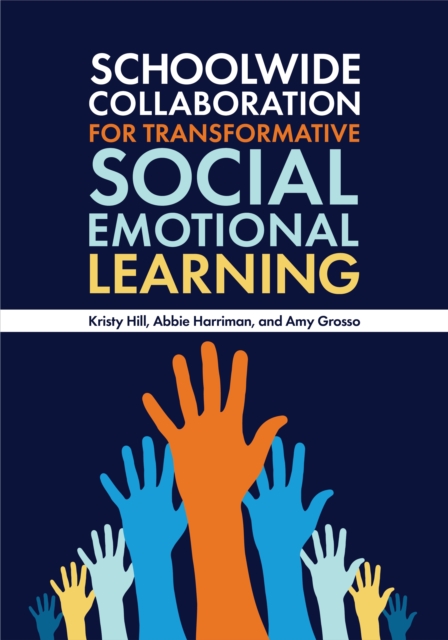
Schoolwide Collaboration for Transformative Social Emotional Learning
Schools and libraries can make a difference by teaching kids how to identify and cope with emotions, how to communicate with confidence and empathy, and how to persevere even when things are difficult.The authors of this helpful text define transformative social-emotional learning and its impact on students and schools.
eBook