
Catalogue Search | MBRL


Are you sure you want to remove the book from the shelf?

{{itemTitle}}
2,261
result(s) for
"African Americans Social life and customs."
Sort by:


To serve the living : funeral directors and the African American way of death
\"From antebellum slavery to the twenty-first century, African American funeral directors have orchestrated funerals or \"home-going\" ceremonies with dignity and pageantry. As entrepreneurs in a largely segregated trade, they were among the few black individuals in any community who were economically independent and not beholden to the local white power structure. Most important, their financial freedom gave them the ability to support the struggle for civil rights and, indeed, to serve the living as well as bury the dead.\" \"During the Jim Crow era, black funeral directors relied on racial segregation to secure their foothold in America's capitalist marketplace. With the dawning of the civil rights age, these entrepreneurs were drawn into the movement to integrate American society, but were also uncertain how racial integration would affect their business success. From the beginning, this tension between personal gain and community service shaped the history of African American funeral directing.\" \"For African Americans, death was never simply the end of life, and funerals were not just occasions to mourn. In the \"hush harbors\" of the slave quarters, African Americans first used funerals to bury their dead and to plan a path to freedom. Similarly, throughout the long - and often violent - struggle for racial equality in the twentieth century, funeral directors aided the cause by honoring the dead while supporting the living. To Serve the Living offers a history of how African American funeral directors have been integral to the fight for freedom.\"--BOOK JACKET.
Book
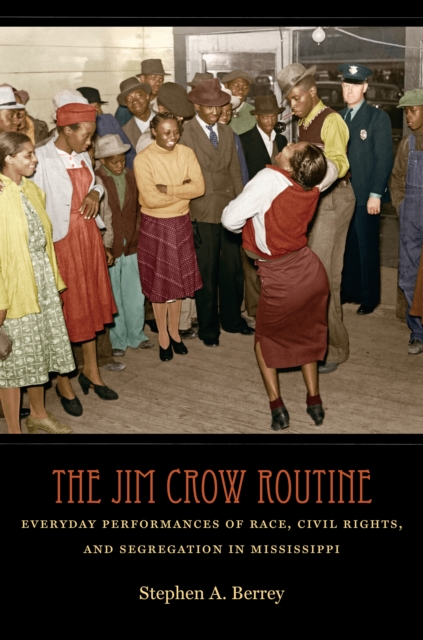
The Jim Crow Routine
The South's system of Jim Crow racial oppression is usually understood in terms of legal segregation that mandated the separation of white and black Americans. Yet, as Stephen A. Berrey shows, it was also a high-stakes drama that played out in the routines of everyday life, where blacks and whites regularly interacted on sidewalks and buses and in businesses and homes. Every day, individuals made, unmade, and remade Jim Crow in how they played their racial roles--how they moved, talked, even gestured. The highly visible but often subtle nature of these interactions constituted the Jim Crow routine.In this study of Mississippi race relations in the final decades of the Jim Crow era, Berrey argues that daily interactions between blacks and whites are central to understanding segregation and the racial system that followed it. Berrey shows how civil rights activism, African Americans' refusal to follow the Jim Crow script, and national perceptions of southern race relations led Mississippi segregationists to change tactics. No longer able to rely on the earlier routines, whites turned instead to less visible but equally insidious practices of violence, surveillance, and policing, rooted in a racially coded language of law and order. Reflecting broader national transformations, these practices laid the groundwork for a new era marked by black criminalization, mass incarceration, and a growing police presence in everyday life.
eBook

Black stats : African Americans by the numbers in the twenty-first century
A completely revised and updated handbook of eye-opening--and frequently myth-busting--facts and figures about the real lives of Black Americans today, called \"a gift of knowledge\" by Susan Taylor, former editor-in-chief of Essence magazine There's no defeating white supremacist myths without real data.
eBook

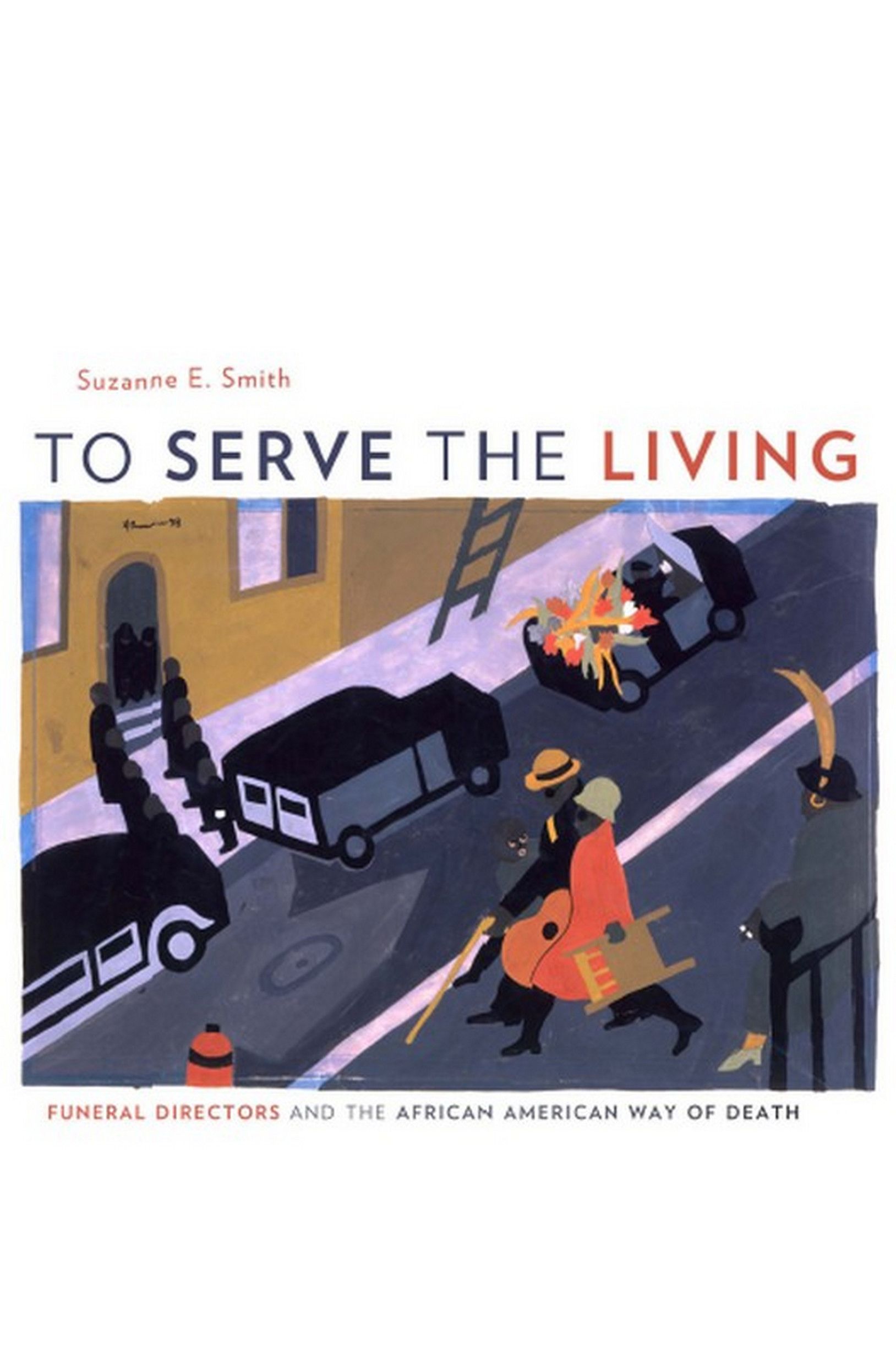
To serve the living : funeral directors and the African American way of death
From antebellum slavery to the twenty-first century, African American funeral directors have orchestrated funerals or \"homegoing\" ceremonies with dignity and pageantry. As entrepreneurs in a largely segregated trade, they were among the few black individuals in any community who were economically independent and not beholden to the local white power structure. Most important, their financial freedom gave them the ability to support the struggle for civil rights and, indeed, to serve the living as well as bury the dead.
During the Jim Crow era, black funeral directors relied on racial segregation to secure their foothold in America's capitalist marketplace. With the dawning of the civil rights age, these entrepreneurs were drawn into the movement to integrate American society, but were also uncertain how racial integration would affect their business success. From the beginning, this tension between personal gain and community service shaped the history of African American funeral directing.
For African Americans, death was never simply the end of life, and funerals were not just places to mourn. In the \"hush harbors\" of the slave quarters, African Americans first used funerals to bury their dead and to plan a path to freedom. Similarly, throughout the long—and often violent—struggle for racial equality in the twentieth century, funeral directors aided the cause by honoring the dead while supporting the living. To Serve the Living offers a fascinating history of how African American funeral directors have been integral to the fight for freedom.
eBook

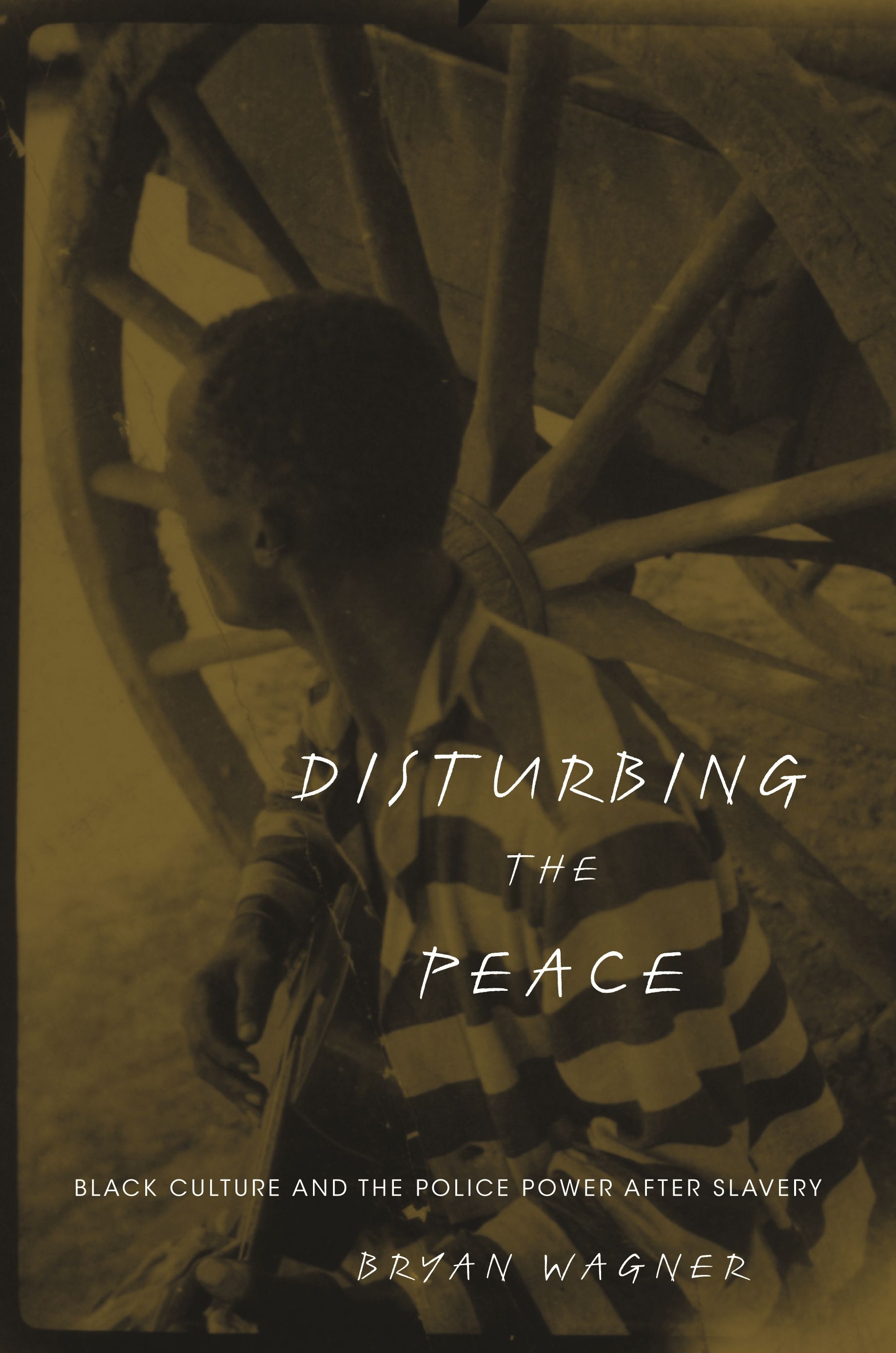
Disturbing the Peace
W. C. Handy waking up to the blues on a train platform, Buddy Bolden eavesdropping on the drums at Congo Square, John Lomax taking his phonograph recorder into a southern penitentiary—some foundational myths of the black vernacular remain inescapable, even as they come under increasing pressure from skeptics.
In Disturbing the Peace, Bryan Wagner revises the history of the black vernacular tradition and gives a new account of black culture by reading these myths in the context of the tradition's ongoing engagement with the law. Returning to some familiar examples (trickster tales, outlaw legends, blues lyrics) central to previous studies of the black vernacular expression, Wagner uses an analytic framework he has developed from the historical language of the law to give new and surprising analyses.
Wagner's work draws both on his deep understanding of history and on a wealth of primary sources that range from novels to cartoons to popular ballads and early blues songs to newspapers and court reports. Through his innovative engagement with them, Wagner gives us a new and deeper understanding of black cultural expression, revealing its basis in the relational workings of African Americans in the social world.
eBook