
Catalogue Search | MBRL


Are you sure you want to remove the book from the shelf?

{{itemTitle}}
310
result(s) for
"Afro-Caribbean"
Sort by:

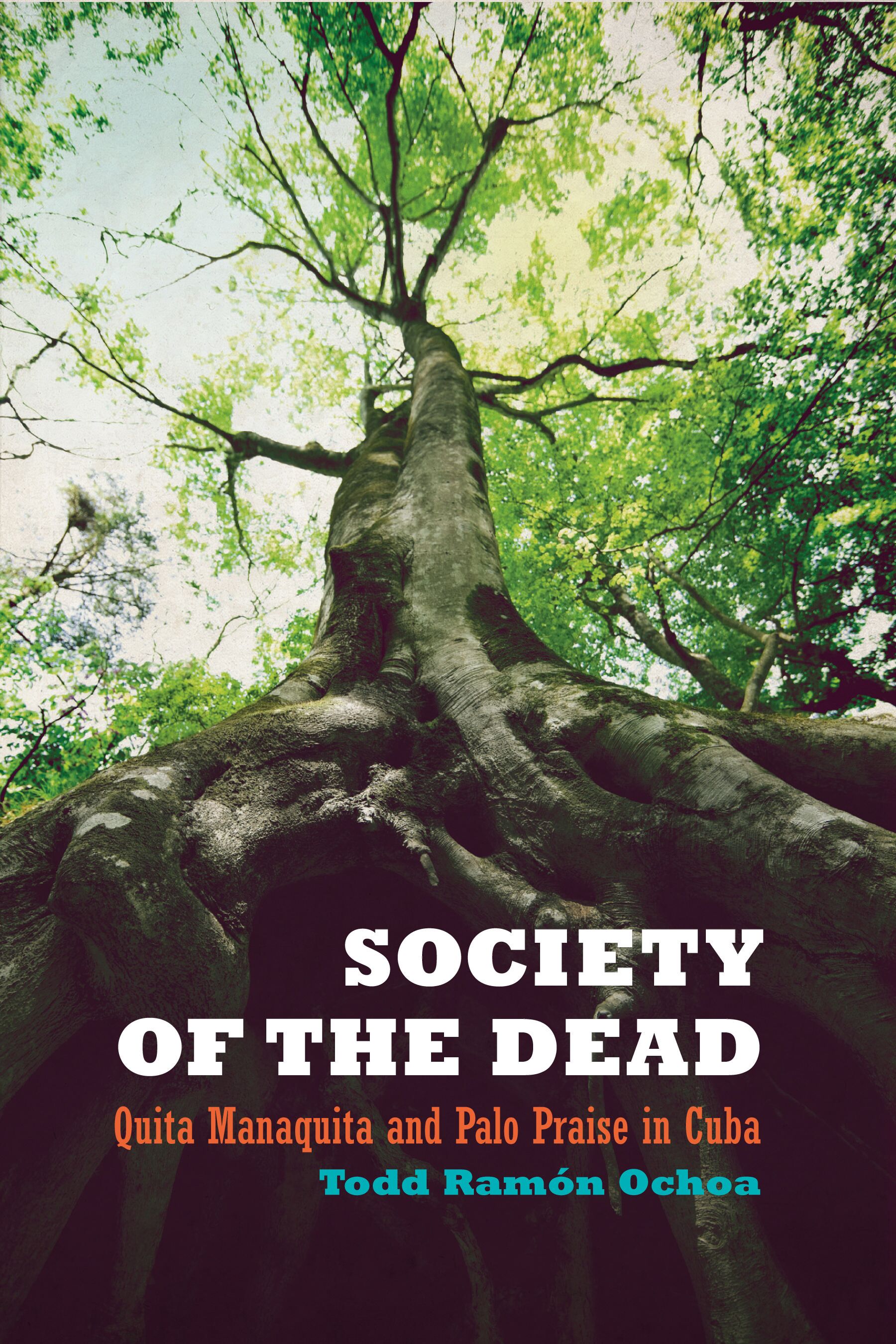
Society of the dead
In a riveting first-person account, Todd Ramón Ochoa explores Palo, a Kongo-inspired \"society of affliction\" that is poorly understood at the margins of Cuban popular religion. Narrated as an encounter with two teachers of Palo, the book unfolds on the outskirts of Havana as it recounts Ochoa's attempts to assimilate Palo praise of the dead. As he comes to terms with a world in which everyday events and materials are composed of the dead, Ochoa discovers in Palo unexpected resources for understanding the relationship between matter and spirit, for rethinking anthropology's rendering of sorcery, and for representing the play of power in Cuban society. The first fully detailed treatment of the world of Palo, Society of the Dead draws upon recent critiques of Western metaphysics as it reveals what this little known practice can tell us about sensation, transformation, and redemption in the Black Atlantic.
eBook

Educational Attainment and Diabetic Foot Ulceration: Outcomes From the Barbados Diabetic Foot Study
Diabetic foot ulceration (DFU) contributes significantly to diabetes‐related morbidity and amputation. In Barbados, where amputation rates are among the highest globally, the influence of socioeconomic factors on ulceration outcomes remains underexplored. Educational attainment, a social determinant of health, may influence health behaviours, engagement with healthcare services, and ultimately clinical outcomes. This study examines whether educational attainment is associated with diabetic foot ulcer severity, as measured by the SINBAD scoring system, and six‐week healing outcomes among inpatients with DFU. A prospective observational study was conducted over 6 months at Barbados' sole public hospital. A total of 176 participants admitted with a diagnosis of DFU were recruited. Baseline demographics, comorbidities, and ulcer characteristics were collected, and SINBAD scores were determined. Random forest modelling was employed to evaluate predictors of complete healing at 6 weeks and to assess ulcer severity stratified by educational attainment. Of the cohort, 17.5% reported primary education as their highest attainment level, compared with 2.9% of the general adult population. The mean SINBAD score was 2.45 among those with primary education and 2.51 among those with secondary education (p > 0.05). No statistically significant association was found between educational attainment and healing outcomes at 6 weeks. Educational attainment in this inpatient DFU cohort was lower than that of the general Barbadian population; however, it was not significantly associated with ulcer severity or six‐week healing outcomes. In a universal healthcare setting, equitable access to care may attenuate the effect of educational attainment on clinical outcomes. These null findings highlight the need for future adequately powered studies incorporating health literacy assessment and key clinical confounders. Nonetheless, the observed disparity in educational attainment among DFU inpatients suggests that foot health education initiatives should be designed to be accessible to individuals across all educational levels.
Journal Article

Influence of Common Gene Variants on Lipid Levels and Risk of Coronary Heart Disease in Afro-Caribbeans
A lower mortality rate from coronary artery disease (CAD) and a more favourable lipid profile have been reported in Afro-Caribbeans compared with people of European ancestry. The aim of this study was to determine whether common lipid variants identified in other populations are associated with lipid levels and CAD in Afro-Caribbeans. We studied 705 Afro-Caribbeans (192 with CAD) who were genotyped for 13 lipid-associated variants. We calculated three polygenic risk scores (PRSs) for elevated LDL (LDL-PRS), decreased HDL (HDL-PRS), and elevated triglycerides (TG-PRS). LDL-PRS, HDL-PRS, and TG-PRS were associated with LDL, HDL, and TG levels, respectively. The LDL-PRS was positively associated with LDL > 2.6 mmol/L and with LDL > 3.0 mmol/L with ORs (odds ratios) of 1.33 (95% confidence interval (CI) = 1.14–1.56) and 1.40 (CI = 1.21–1.62), respectively. The HDL-PRS was associated with a low HDL category (HDL < 1.03 mmol/L) with an OR of 1.3 (CI = 1.04–1.63) and inversely associated with a high HDL category (HDL > 1.55 mmol/L) with an OR of 0.79 (CI = 0.65–0.96). The LDL-PRS was positively associated with CAD after adjustment for age, gender, hypertension, diabetes, and smoking with an OR of 1.27 (CI = 1.06–1.51) but not the HDL-PRS nor the TG-PRS. Results of the present study indicate that common lipid variants are associated with lipid levels and prevalent CAD in Afro-Caribbeans.
Journal Article

Descriptive Epidemiology and Prognosis of Pediatric Acute Leukemia in the Afro‐Descendant Population of the French West Indies and French Guiana
Introduction The epidemiology of acute leukemia (AL) in children in Afro‐descendant (AD) populations is poorly described, and survival is often considered worse in these populations. The aim of this study is to describe the epidemiology and prognosis of childhood AL in the AD population of the French West Indies/French Guiana (FWI/FG). Methods This is a multicenter, retrospective, descriptive cohort study of children aged 0–17 years old, resident of the FWI/FG and diagnosed with AL between January 2010 and December 2022. Patients were identified via the French National Childhood Cancer Registry and cross‐referenced with lists from each reference center and local registry. The Kaplan–Meier method was used to estimate 5‐year overall survival (5y‐OS) and event‐free survival (5y‐EFS). Results A total of 107 patients were included, 67% B‐Acute lymphoblastic leukemia (ALL), 18% AML, and 14% T‐ALL. The age standardized incidence rate for childhood AL was 32.9 (21.4–46.2) per million‐year for children. The 5y‐OS rate for all children was 90.9% (95% CI: 84.1–98.2), and 93.1% (95% CI: 85.8–100) for B‐ALL, 91.7% (95% CI: 77.3%–100%) for T‐ALL and 83.1% (95% CI: 64.1%–100%) for AML. The 5y‐EFS were respectively 75.8% (95% CI: 66.3–86.5), 78.3% (95% CI: 67.6–90.8) and 83.9% (95% CI: 65.7–100) for all children, B‐ALL and T‐ALL. Seven patients (7%) died, mostly due to disease progression (57%). Conclusion This is the largest epidemiological study reported on childhood AL in an AD population and in the Caribbean/Latin America zone. Survival rates in our AD population were similar to those described in European and North American studies and much better than in the Caribbean and Latin American zone.
Journal Article

From Homemakers to Breadwinners to Community Leaders
In From Homemakers to Breadwinners to Community Leaders , Norma Fuentes-Mayorga compares the immigration and integration experiences of Dominican and Mexican women in New York City, a traditional destination for Dominicans but a relatively new one for Mexicans. Her book documents the significance of women-led migration within an increasingly racialized context and underscores the contributions women make to their communities of origin and of settlement. Fuentes-Mayorga’s research is timely, especially against the backdrop of policy debates about the future of family reunification laws and the unprecedented immigration of women and minors from Latin America, many of whom seek human rights protection or to reunite with families in the US. From Homemakers to Breadwinners to Community Leaders provides a compelling look at the suffering of migrant mothers and the mourning of family separation, but also at the agency and contributions that women make with their imported human capital and remittances to the receiving and sending community. Ultimately the book contributes further understanding to the heterogeneity of Latin American immigration and highlights the social mobility of Afro-Caribbean and indigenous migrant women in New York.
eBook
Incidence, prevalence, and potential risk factors for diabetic foot ulceration: A retrospective review at a multidisciplinary centre in Barbados
Objective Diabetes and lower extremity amputation rates in Barbados are among some of the highest globally, with peripheral neuropathy and peripheral vascular disease found to be independent risk factors for this population. Despite this, there is currently a lack of research evidence on rates of diabetic foot ulceration, which has amputation as its sequela. We aimed to evaluate the incidence and prevalence rates of active ulceration in a population of people with diabetes in Barbados. Secondly, we explored the risk factors for new/recurrent ulceration. Research Design and Methods Data were extracted from the electronic medical records for the period January 1, 2019 to December 31, 2020 for a retrospective cross‐sectional study for patients of a publicly‐funded diabetes management programme. Eligible records included people aged 18 years and above with a diagnosis of type 1 or 2 diabetes. Potential risk factors were explored using univariable logistic regression models. Results A total of 225 patients were included in the study (96% type 2 diabetes, 70.7% female, 98.7% Black Caribbean). The 1‐year period prevalence of diabetic foot ulceration was 14.7% (confidence interval [CI]: 10.5, 20.1). Incidence of ulceration in the same period was 4.4% (CI: 4.4, 4.5). Risk factors associated with diabetic foot ulceration included: retinopathy (OR 3.85, CI: 1.24, 11.93), chronic kidney disease (OR 9.86, CI: 1.31, 74.22), aspirin use (OR 3.326, CI: 1.02, 10.85), and clopidogrel use (OR 3.13, CI: 1.47, 6.68). Conclusion This study provided some insight into potential risk factors for foot ulceration in this population, which previous studies have shown to have higher rates of lower extremity amputations. Further research in this understudied group through a larger prospective cohort would allow more meaningful associations with risk factors and would be useful for the creation of risk prediction models.
Journal Article

To Defend This Sunrise
To Defend this Sunrise examines how black women on the
Caribbean coast of Nicaragua engage in regional, national, and
transnational modes of activism to remap the nation's racial order
under conditions of increasing economic precarity and autocracy.
The book considers how, since the 19th century, black women
activists have resisted historical and contemporary patterns of
racialized state violence, economic exclusion, territorial
dispossession, and political repression. Specifically, it explores
how the new Sandinista state under Daniel Ortega and Rosario
Murillo has utilized multicultural rhetoric as a mode of political,
economic, and territorial dispossession. In the face of the
Sandinista state's co-optation of multicultural discourse and
growing authoritarianism, black communities have had to recalibrate
their activist strategies and modes of critique to resist these new
forms of \"multicultural dispossession.\" This concept describes the
ways that state actors and institutions drain multiculturalism of
its radical, transformative potential by espousing the rhetoric of
democratic recognition while simultaneously supporting illiberal
practices and policies that undermine black political demands and
weaken the legal frameworks that provide the basis for the claims
of these activists against the state.
eBook

Embracing the Legacy of the Griot: Using Storytelling as an Indigenous and Affirming Methodology
Storytelling, deeply rooted in African diasporic oral traditions, serves as a vital methodology for cultural preservation, resistance, and healing. Grounded in the legacy of the West African Griot, this study explores how storytelling through the creation and engagement with the ‘Ancestral Journey Narrative’, a sound collage, can function as a decolonial and affirming methodology within Afro-Caribbean art therapy. Using an Arts-Based Research (ABR) framework, members of a PhD cohort were invited by the first author to engage with a sound collage narrating the imagined journey of an enslaved African to the Caribbean. Through creative responses in visual art, movement, and dialogue, participants reflected on historical trauma, resilience, and cultural identity. Thematic analysis revealed three interconnected themes: Visualizing the Journey, Embodying the Journey, and Linking the Past to the Present. These themes highlight how embodied storytelling can foster emotional connection, historical understanding, and cultural reclamation. Findings underscore the importance of integrating Afro-Caribbean cultural frameworks and ancestral narratives into therapeutic and educational settings to counter dominant historical erasures, address mental health stigma, and promote resilience through cultural pride. While this study was limited by its small, academically situated sample, it offers critical insights into the transformative potential of storytelling as a culturally affirming practice. Future research should broaden participation through community-based approaches and explore the long-term impacts of multi-modal arts-based storytelling interventions across diverse Afro-Caribbean contexts.
Journal Article

Multiple Lenses to Unearth Hidden Voices: Living with Diabetic Foot Ulceration in an Afro-Caribbean Community
(1) Background: This study was conducted in the small island developing state of Barbados, which has dubiously earned the title of “amputation capital of the world”, to understand perspectives of persons living with diabetic foot ulceration. (2) Methods: An exploratory multi-lens approach was used (focus groups; dyads; and triads) to gather indigenous Afro-Caribbean perspectives of living with diabetic foot ulceration that may be obscured by using a single method. (3) Results: Findings in this group highlighted the necessity of creating culturally sensitive education tools, as well as understanding how mistrust of local health systems may play a role in decisions to delay seeking health services despite ease of access with no cost at point of care. Problematic historical relationships with health systems among Afro-Caribbean people, for whom oral traditions motivate preference for traditional medicines instead of Western/colonial treatments from North America or Europe, may be deeply entrenched in this population and contribute to health beliefs and behaviors. (4) Conclusions: This paper addresses the gap in the literature regarding the use of qualitative methodologies to explore the beliefs of Afro-Caribbean people within their native context to inform design of culturally responsive self-education programs.
Journal Article