
Catalogue Search | MBRL


Are you sure you want to remove the book from the shelf?

{{itemTitle}}
905,956
result(s) for
"Alcohol"
Sort by:


An overview on alcohol oxidases and their potential applications
Alcohol oxidases (Alcohol: O
2
Oxidoreductase; EC 1.1.3.x) are flavoenzymes that catalyze the oxidation of alcohols to the corresponding carbonyl compounds with a concomitant release of hydrogen peroxide. Based on substrate specificity, alcohol oxidases may be categorized broadly into four different groups namely, (a) short chain alcohol oxidase (SCAO), (b) long chain alcohol oxidase (LCAO), (c) aromatic alcohol oxidase (AAO), and (d) secondary alcohol oxidase (SAO). The sources reported for these enzymes are mostly limited to bacteria, yeast, fungi, plant, insect, and mollusks. However, the quantum of reports for each category of enzymes considerably varies across these sources. The enzymes belonging to SCAO and LCAO are intracellular in nature, whereas AAO and SAO are mostly secreted to the medium. SCAO and LCAO are invariably reported as multimeric proteins with very high holoenzyme molecular masses, but the molecular characteristics of these enzymes are yet to be clearly elucidated. One of the striking features of the alcohol oxidases that make them distinct from the widely known alcohol dehydrogenase is the avidly bound cofactor to the redox center of these enzymes that obviate the need to supplement cofactor during the catalytic reaction. These flavin-based redox enzymes have gained enormous importance in the development of various industrial processes and products primarily for developing biosensors and production of various industrially useful carbonyl compounds. The present review provides an overview on alcohol oxidases from different categories focusing research on these oxidases during the last decade along with their potential industrial applications.
Journal Article

Alcohol and moral regulation : public attitudes, spirited measures and Victorian hangovers
Attitudes toward alcohol - and the extent and rate of its consumption - have undergone considerable changes over the centuries. In the face of contemporary concern with increased drinking, this volume offers a refreshing historical perspective, explaining that anxieties about alcohol are perhaps best understood as a 'hangover' from the Victorian period.
Book

A feasibility randomised controlled trial of extended brief intervention for alcohol misuse in adults with mild to moderate intellectual disabilities living in the community; The EBI-LD study
Background
Extended brief interventions (EBIs) are effective in targeting alcohol misuse in the general population. However, little is known of the effects of EBI in adults with intellectual (also known as learning) disabilities. In this feasibility trial we compared EBI with usual care for alcohol misuse in adults with mild to moderate Intellectual Disability (ID).
Methods
The study took place in three community ID networks of services in England. Participants aged 18–65 years with reported alcohol problems, a score ≥8 on the Alcohol Use Disorder Identification Test (AUDIT), and IQ <70 (+/5%CI) were recruited and were randomly allocated to either EBI (five weekly sessions and one follow-up at 8 weeks) and usual care or usual care alone. Research assistants were blind to arm allocation. Research assessments took place at baseline, 2 and 3 months. The primary outcome was reduction in alcohol consumption measured by the AUDIT. Preliminary health economic analysis was performed to investigate the costs of delivering EBI and the feasibility of a cost-effectiveness analysis in a full trial. The trial is closed.
Results
Participants were recruited from January 2014 to August 2015. Thirty individuals were randomised (15 in each arm) and provided primary outcome data. In regard to harmful drinking, at baseline, all the participants exceeded the relevant threshold. At 8 weeks, the proportion of participants with harmful drinking had decreased to 60% for both groups, and at 12 weeks it had decreased by 66°7% and 46°7% for the intervention and the control groups, respectively. The unit cost for the delivery of EBI is £430.
Conclusions
Recruitment to this trial has been proven challenging as prevalence of alcohol misuse in the targeted population was lower than anticipated. EBI may provide an effective low-intensity treatment for this population. Participants’ and carers’ feedback on their experience was overall positive. Further work needs to be undertaken to ascertain the group of participants that should be participating in a future definitive trial.
Trial registration
Psychological Intervention Alcohol Misuse Learning Disability; isrctn.com, identifier:
ISRCTN58783633
. Registered on 17 December 2013.
Journal Article

The science of drinking : how alcohol affects your body and mind /
Discusses healthy versus unhealthy alcohol consumption, describes the health benefits of consuming alcohol in moderation, and explains how alcohol influences the brain and body.
Book

Counselling for Alcohol Problems (CAP), a lay counsellor-delivered brief psychological treatment for harmful drinking in men, in primary care in India: a randomised controlled trial
Although structured psychological treatments are recommended as first-line interventions for harmful drinking, only a small fraction of people globally receive these treatments because of poor access in routine primary care. We assessed the effectiveness and cost-effectiveness of Counselling for Alcohol Problems (CAP), a brief psychological treatment delivered by lay counsellors to patients with harmful drinking attending routine primary health-care settings.
In this randomised controlled trial, we recruited male harmful drinkers defined by an Alcohol Use Disorders Identification Test (AUDIT) score of 12–19 who were aged 18–65 years from ten primary health centres in Goa, India. We excluded patients who needed emergency medical treatment or inpatient admission, who were unable to communicate clearly, and who were intoxicated at the time of screening. Participants were randomly allocated (1:1) by trained health assistants based at the primary health centres to enhanced usual care (EUC) alone or EUC combined with CAP, in randomly sized blocks of four to six, stratified by primary health centre, and allocation was concealed with use of sequential numbered opaque envelopes. Physicians providing EUC and those assessing outcomes were masked. Primary outcomes were remission (AUDIT score of <8) and mean daily alcohol consumed in the past 14 days, at 3 months. Secondary outcomes were the effect of drinking, disability score, days unable to work, suicide attempts, intimate partner violence, and resource use and costs of illness. Analyses were on an intention-to-treat basis. We used logistic regression analysis for remission and zero-inflated negative binomial regression analysis for alcohol consumption. We assessed serious adverse events in the per-protocol population. This trial is registered with the ISCRTN registry, number ISRCTN76465238.
Between Oct 28, 2013, and July 29, 2015, we enrolled and randomly allocated 377 participants (188 [50%] to the EUC plus CAP group and 190 [50%] to the EUC alone group [one of whom was subsequently excluded because of a protocol violation]), of whom 336 (89%) completed the 3 month primary outcome assessment (164 [87%] in the EUC plus CAP group and 172 [91%] in the EUC alone group). The proportion with remission (59 [36%] of 164 in the EUC plus CAP group vs 44 [26%] of 172 in the EUC alone group; adjusted prevalence ratio 1·50 [95% CI 1·09–2·07]; p=0·01) and the proportion abstinent in the past 14 days (68 [42%] vs 31 [18%]; adjusted odds ratio 3·00 [1·76–5·13]; p<0·0001) were significantly higher in the EUC plus CAP group than in the EUC alone group, but we noted no effect on mean daily alcohol consumed in the past 14 days among those who reported drinking in this period (37·0 g [SD 44·2] vs 31·0 g [27·8]; count ratio 1·08 [0·79–1·49]; p=0·62). We noted an effect on the percentage of days abstinent in the past 14 days (adjusted mean difference [AMD] 16·0% [8·1–24·1]; p<0·0001), but no effect on the percentage of days of heavy drinking (AMD −0·4% [–5·7 to 4·9]; p=0·88), the effect of drinking (Short Inventory of Problems score AMD–0·03 [–1·93 to 1·86]; p=0.97), disability score (WHO Disability Assessment Schedule score AMD 0·62 [–0·62 to 1·87]; p=0·32), days unable to work (no days unable to work adjusted odds ratio 1·02 [0·61–1·69]; p=0.95), suicide attempts (adjusted prevalence ratio 1·8 [–2·4 to 6·0]; p=0·25), and intimate partner violence (adjusted prevalence ratio 3·0 [–10·4 to 4·4]; p=0·57). The incremental cost per additional remission was $217 (95% CI 50–1073), with an 85% chance of being cost-effective in the study setting. We noted no significant difference in the number of serious adverse events between the two groups (six [4%] in the EUC plus CAP group vs 13 [8%] in the EUC alone group; p=0·11).
CAP delivered by lay counsellors plus EUC was better than EUC alone was for harmful drinkers in routine primary health-care settings, and might be cost-effective. CAP could be a key strategy to reduce the treatment gap for alcohol use disorders, one of the leading causes of the global burden among men worldwide.
Wellcome Trust.
Journal Article
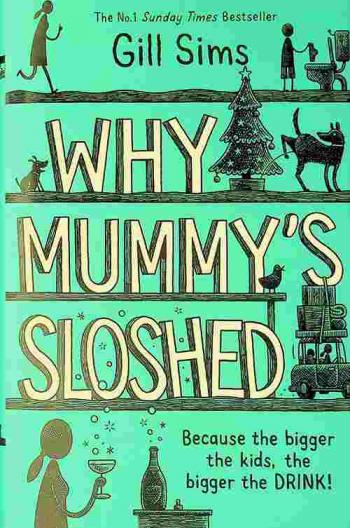
Why mummy's sloshed : because the bigger the kids, the bigger the drink!
Mummy has been a wife and mother for so long that she's a little bit lost. And despite her best efforts, her precious moppets still don't know the location of the laundry basket, the difference between being bored and being hungry, or that saying 'I can't find it Mummy' is not the same as actually looking for it. Amidst the chaos of A-Levels and driving tests, she's doing her best to keep her family afloat, even if everybody is set on drifting off in different directions, and that one of those directions is to make yet another bloody snack. She's feeling overwhelmed and underappreciated, and the only thing that Mummy knows for sure is that the bigger the kids, the bigger the drink.

Tackling risky alcohol consumption in sport: a cluster randomised controlled trial of an alcohol management intervention with community football clubs
BackgroundAn increased prevalence of risky alcohol consumption and alcohol-related harm has been reported for members of sporting groups and at sporting venues compared with non-sporting populations. While sports clubs and venues represent opportune settings to implement strategies to reduce such risks, no controlled trials have been reported. The purpose of the study was to examine the effectiveness of an alcohol management intervention in reducing risky alcohol consumption and the risk of alcohol-related harm among community football club members.MethodA cluster randomised controlled trial of an alcohol management intervention was undertaken with non-elite, community football clubs and their members in New South Wales, Australia. Risky alcohol consumption (5+ drinks) at the club and risk of alcohol-related harm using the Alcohol Use Disorders Identification Test (AUDIT) were measured at baseline and postintervention.ResultsEighty-eight clubs participated in the trial (n=43, Intervention; n=45, Control) and separate cross-sectional samples of club members completed the baseline (N=1411) and postintervention (N=1143) surveys. Postintervention, a significantly lower proportion of intervention club members reported: risky alcohol consumption at the club (Intervention: 19%; Control: 24%; OR: 0.63 (95% CI 0.40 to 1.00); p=0.05); risk of alcohol-related harm (Intervention: 38%; Control: 45%; OR: 0.58 (95% CI 0.38 to 0.87); p<0.01); alcohol consumption risk (Intervention: 47%; Control: 55%; OR: 0.60 (95% CI 0.41 to 0.87); p<0.01) and possible alcohol dependence (Intervention: 1%; Control: 4%; OR: 0.20 (95% CI 0.06 to 0.65); p<0.01).ConclusionsWith large numbers of people worldwide playing, watching and sports officiating, enhancing club-based alcohol management interventions could make a substantial contribution to reducing the burden of alcohol misuse in communities.Trial registration numberACTRN12609000224224.
Journal Article


Harmful Use of Alcohol: A Shadow over Sub-Saharan Africa in Need of Workable Solutions
Alcohol consumption and alcohol-attributable burden of disease in Africa are expected to rise in the near future, yet. increasing alcohol-related harm receives little attention from policymakers and from the population in general. Even where new legislation is proposed it is rarely enacted into law. Being at the center of social and cultural activities in many countries, alcohol’s negative role in society and contribution to countries’ burden of disease are rarely questioned. After the momentum created by the adoption in 2010 of the WHO Global Strategy and the WHO Regional Strategy (for Africa) to Reduce the Harmful Use of Alcohol, and the WHO Global Action Plan for the Prevention and Control of Non-Communicable Diseases, in 2013, little seems to have been done to address the increasing use of alcohol, its associated burden and the new challenges that derive from the growing influence of the alcohol industry in Africa. In this review, we argue that to have a positive impact on the health of African populations, action addressing specific features of alcohol policy in the continent is needed, namely focusing on particularities linked to alcohol availability, like unrecorded and illicit production, outlet licensing, the expansion of formal production, marketing initiatives and taxation policies.
Journal Article