
Catalogue Search | MBRL


Are you sure you want to remove the book from the shelf?

{{itemTitle}}
100
result(s) for
"Algerian Revolution"
Sort by:

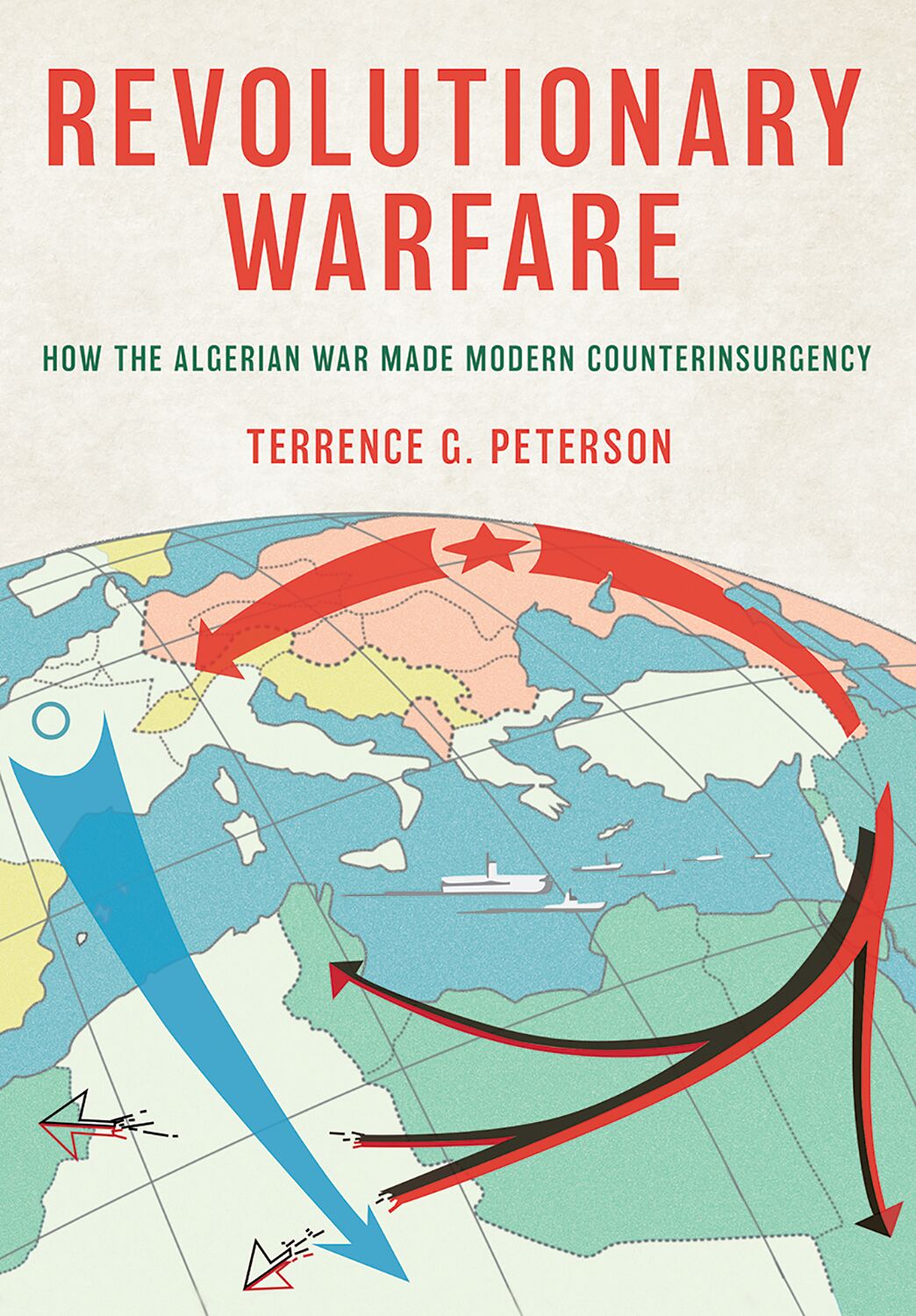
Revolutionary Warfare
Revolutionary Warfare
investigates how efforts to counter a revolution could also
be revolutionary. The Algerian War fractured the French
Empire, destroyed the legitimacy of colonial rule, and helped
launch the Third Worldist movement for the liberation of the Global
South. By tracing how French generals, officers, and civil
officials sought to counter Algerian independence with their own
project of radical social transformation, Terrence G. Peterson
reveals that the conflict also helped to transform the nature of
modern warfare.
The French war effort was never defined solely by repression. As
Peterson details, it also sought to fashion new forms of
surveillance and social control that could capture the loyalty of
Algerians and transform Algerian society. Hygiene and medical aid
efforts, youth sports and education programs, and psychological
warfare campaigns all attempted to remake Algerian social
structures and bind them more closely to the French state. In
tracing the emergence of such programs, Peterson reframes the
French war effort as a project of armed social reform that sought
not to preserve colonial rule unchanged, but to revolutionize it in
order to preserve it against the global challenges of
decolonization.
Revolutionary Warfare demonstrates how French officers'
efforts to transform warfare into an exercise in social engineering
not only shaped how the Algerian War unfolded from its earliest
months, but also helped to forge a paradigm of warfare that
dominated strategic thinking during the Cold War and after:
counterinsurgency.
eBook


The Rhizomatic Algerian Revolution in Three Twenty-First- Century Transnational Documentaries
This article investigates three recent transnational documentaries. The films invoke the theoretical concept of the rhizome, as understood by Gilles Deleuze and Félix Guattari, for the works trouble the line between past and present, as well as empirical geography that separates North Africa from France with the Meditteranean. In this way, the three works that study Algeria’s founding and its historical memory can be regarded as experimental explorations of spatial and temporal concepts.
Journal Article

Forging Global Connections
When Amadou Booker Sadji graduated from the Lycée Van Vollenhoven in Dakar in 1955, he intended to study German at a university in France. That same year, French, German, and other Western European leaders committed themselves to a “European relaunch” after the French parliament voted against the European Defense Community and European Political Community in 1954. Pro-Europe activists successfully pivoted to narrower forms of economic and technical cooperation, which led to the creation of the European Economic Community and the European Atomic Energy Community in 1957.¹ As we have seen, excitement about the new European Communities stoked a surge in
Book Chapter
الحركة اليوسفية والثورة التحريرية الجزائرية
يعتبر موضوع \"الحركة اليوسفية والثورة التحريرية الجزائرية\"، من أهم المواضيع التي تعكس لنا جوانب مهمة عن العلاقات الجزائرية التونسية خلال مرحلة الثورة الجزائرية. فالحركة اليوسفية التي ظهرت في تونس عقب التوقيع على اتفاقيات الاستقلال الداخلي في 03 جوان ١٩٥٥، أعلنت منذ بدايتها عن رفضها لمبدأ الحكم الذاتي، حين رفعت شعار الاستقلال التام\". والتقت بذلك في خندق واحد مع الثورة الجزائرية، التي كانت تسعى هي الأخرى إلى تحقيق الاستقلال التام. وعلى هذا الأساس برز التنسيق واضحاً بين أنصار اليوسفية وقادة الثورة الجزائرية لأجل توحيد الكفاح المسلح بينهما، كما تجسدت مظاهر التنسيق بينهما ميدانياً من خلال التحاق اليوسفيين بالثورة الجزائرية ومشاركتهم في نقل وتهريب الأسلحة إلى الجزائر. الأمر الذي دفع بورقيبة وجهاز الدولة التونسي إلى التحالف مع فرنسا للقضاء على الحركة اليوسفية وعزلها عن الثورة الجزائرية.
Journal Article
أحمد بن بلة ودوره في الاتصال بالجبهة الغربية من أجل دعم الثورة التحريرية
يعتبر \"أحمد بن بلة\" أحد قادة الثورة التحريرية وواحدا من الوطنيين في المغرب العربي الذين عملوا على تنسيق الكفاح بين الجزائر والمغرب الأقصى ضد العدو المشترك الاستعمار الفرنسي، بحيث أن الدارس في مساره النضالي سيقف على تلك الاتصالات واللقاءات التي كان يقوم بها على مستوى الجبهة الغربية بهدف كسب التأييد والدعم للثورة التحريرية، وأن القاعدة الغربية وبفضل مجهودات \"أحمد بن بلة\" الذي سمح المغرب الأقصى التصرف فيها لجيش التحرير الوطني، لعبت دورا بارزا في تجاوز الركود التي ميزت النشاط الثوري عند الانطلاقة، واستطاعت الحدود الغربية بفضل ذلك فك الخناق على الثورة الجزائرية في مجال السلاح، ولقد كان مصدر هذا السلاح قارة أوروبا عبر مصر التي انطلقت منها العديد من السفن المحملة بالسلاح والتي استأجرتها الثورة أو اشترتها لنقل السلاح إلى الحدود الغربية، وكان يتم تفريغ هذه الأسلحة بالشواطئ الإسبانية أو المغربية وبعد ذلك تتكفل عناصر مغربية مدعومة من قبل الثوار الجزائريين في نقل هذه الأسلحة والذخائر إلى الداخل من أجل مواصلة الثورة في وجه الاستعمار الفرنسي.
Journal Article