
Catalogue Search | MBRL


Are you sure you want to remove the book from the shelf?

{{itemTitle}}
403,679
result(s) for
"Animal Model"
Sort by:

Models of Seizures and Epilepsy
An understanding of mechanisms underlying seizure disorders depends critically on the insights provided by model systems. In particular with the development of cellular, molecular, and genetic investigative tools, there has been an explosion of basic epilepsy research. Models of Seizures and Epilepsy brings together, for the first time in 30 years, an overview of the most widely-used models of seizures and epilepsy. Chapters cover a broad range of experimental approaches (from in vitro to whole animal preparations), a variety of epileptiform phenomenology (including burst discharges and seizures), and suggestions for model characterization and validation, such as electrographic, morphologic, pharmacologic, and behavioral features. Experts in the field provide not only technical reviews of these models but also conceptual critiques - commenting on the strengths and limitations of these models, their relationship to clinical phenomenology, and their value in developing a better understanding and treatments. Models of Seizures and Epilepsy is a valuable, practical reference for investigators who are searching for the most appropriate laboratory models for addressing key questions in the field. It also provides an important background for physicians, fellows, and students, offering insight into the potential for advances in epilepsy research. · The first comprehensive description of animal models of epilepsy since the early 1970's· Comprehensive analysis of \"What the models model\" to guide the selection of each model, and what specific questions it will answer· Elegant examples of the use of novel technologies that can be applied in experimental epilepsy research· World expert opinions on the clinical relevance of each model
eBook

Animal Models for Microbiome Research
The surface of the human body and its mucous membranes are heavily colonized by microorganisms. Our understanding of the contributions that complex microbial communities make to health and disease is advancing rapidly. Most microbiome research to date has focused on the mouse as a model organism for delineating the mechanisms that shape the assembly and dynamic operations of microbial communities. However, the mouse is not a perfect surrogate for studying different aspects of the microbiome and how it responds to various environmental and host stimuli, and as a result, researchers have been conducting microbiome studies in other animals.
To examine the different animal models researchers employ in microbiome studies and to better understand the strengths and weaknesses of each of these model organisms as they relate to human and nonhuman health and disease, the Roundtable on Science and Welfare in Laboratory Animal Use of the National Academies of Sciences, Engineering, and Medicine convened a workshop in December 2016. The workshop participants explored how to improve the depth and breadth of analysis of microbial communities using various model organisms, the challenges of standardization and biological variability that are inherent in gnotobiotic animal-based research, the predictability and translatability of preclinical studies to humans, and strategies for expanding the infrastructure and tools for conducting studies in these types of models. This publication summarizes the presentations and discussions from the workshop.
eBook

The Physics of Foraging
Do the movements of animals, including humans, follow patterns that can be described quantitatively by simple laws of motion? If so, then why? These questions have attracted the attention of scientists in many disciplines, and stimulated debates ranging from ecological matters to queries such as 'how can there be free will if one follows a law of motion?' This is the first book on this rapidly evolving subject, introducing random searches and foraging in a way that can be understood by readers without a previous background on the subject. It reviews theory as well as experiment, addresses open problems and perspectives, and discusses applications ranging from the colonization of Madagascar by Austronesians to the diffusion of genetically modified crops. The book will interest physicists working in the field of anomalous diffusion and movement ecology as well as ecologists already familiar with the concepts and methods of statistical physics.
eBook

Patient-derived xenograft (PDX) models, applications and challenges in cancer research
The establishing of the first cancer models created a new perspective on the identification and evaluation of new anti-cancer therapies in preclinical studies. Patient-derived xenograft models are created by tumor tissue engraftment. These models accurately represent the biology and heterogeneity of different cancers and recapitulate tumor microenvironment. These features have made it a reliable model along with the development of humanized models. Therefore, they are used in many studies, such as the development of anti-cancer drugs, co-clinical trials, personalized medicine, immunotherapy, and PDX biobanks. This review summarizes patient-derived xenograft models development procedures, drug development applications in various cancers, challenges and limitations.
Journal Article
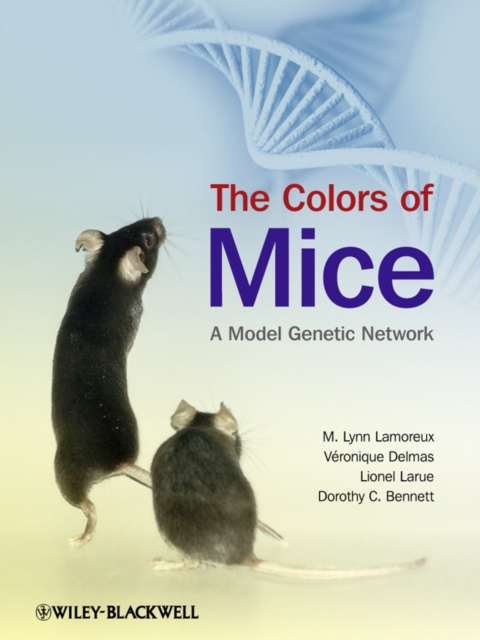
The colors of mice : a model genetic network
Serving the needs of pigment cell biologists, cellular physiologists, developmental geneticists, researchers interested in melanoma and more, this new book showcases a blend of new technologies and new insights in the field of pigmantary genetics of mice, with comparative information on other animals.
eBook

Animal models and human reproduction
Our knowledge of reproductive biology has increased enormously in recent years on cellular, molecular, and genetic levels, leading to significant breakthroughs that have directly benefitted in vitro fertilization (IVF) and other assisted reproductive technologies (ART) in humans and animal systems. Animal Models and Human Reproduction presents a comprehensive reference that reflects the latest scientific research being done in human reproductive biology utilizing domestic animal models. Chapters on canine, equine, cow, pig, frog, and mouse models of reproduction reflect frontier research in placental biology, ovarian function and fertility, non-coding RNAs in gametogenesis, oocyte and embryo metabolism, fertilization, cryopreservation, signal transduction pathways, chromatin dynamics, epigenetics, reproductive aging, and inflammation. Chapters on non-human primate models also highlight recent advancements into such issues as human in vitro fertilization (IVF) and assisted reproductive technologies (ART). This book offers animal scientists, reproductive biology scientists, clinicians and practitioners, invaluable insights into a wide range of issues at the forefront of human reproductive health.
eBook

From SARS to MERS, Thrusting Coronaviruses into the Spotlight
Coronaviruses (CoVs) have formerly been regarded as relatively harmless respiratory pathogens to humans. However, two outbreaks of severe respiratory tract infection, caused by the severe acute respiratory syndrome coronavirus (SARS-CoV) and the Middle East respiratory syndrome coronavirus (MERS-CoV), as a result of zoonotic CoVs crossing the species barrier, caused high pathogenicity and mortality rates in human populations. This brought CoVs global attention and highlighted the importance of controlling infectious pathogens at international borders. In this review, we focus on our current understanding of the epidemiology, pathogenesis, prevention, and treatment of SARS-CoV and MERS-CoV, as well as provides details on the pivotal structure and function of the spike proteins (S proteins) on the surface of each of these viruses. For building up more suitable animal models, we compare the current animal models recapitulating pathogenesis and summarize the potential role of host receptors contributing to diverse host affinity in various species. We outline the research still needed to fully elucidate the pathogenic mechanism of these viruses, to construct reproducible animal models, and ultimately develop countermeasures to conquer not only SARS-CoV and MERS-CoV, but also these emerging coronaviral diseases.
Journal Article

Innovations and advances in modelling and measuring pain in animals
Best practices in preclinical algesiometry (pain behaviour testing) have shifted over the past decade as a result of technological advancements, the continued dearth of translational progress and the emphasis that funding institutions and journals have placed on rigour and reproducibility. Here we describe the changing trends in research methods by analysing the methods reported in preclinical pain publications from the past 40 years, with a focus on the last 5 years. We also discuss how the status quo may be hampering translational success. This discussion is centred on four fundamental decisions that apply to every pain behaviour experiment: choice of subject (model organism), choice of assay (pain-inducing injury), laboratory environment and choice of outcome measures. Finally, we discuss how human tissues, which are increasingly accessible, can be used to validate the translatability of targets and mechanisms identified in animal pain models.The translation of analgesic drug candidates to the clinic relies upon successful preclinical pain modelling. In this Review, Stucky and colleagues describe recent trends in the methods used to model pain in laboratory animals and provide recommendations for experimental designs that may increase translational success.
Journal Article

An Official American Thoracic Society Workshop Report: Features and Measurements of Experimental Acute Lung Injury in Animals
Acute lung injury (ALI) is well defined in humans, but there is no agreement as to the main features of acute lung injury in animal models. A Committee was organized to determine the main features that characterize ALI in animal models and to identify the most relevant methods to assess these features. We used a Delphi approach in which a series of questionnaires were distributed to a panel of experts in experimental lung injury. The Committee concluded that the main features of experimental ALI include histological evidence of tissue injury, alteration of the alveolar capillary barrier, presence of an inflammatory response, and evidence of physiological dysfunction; they recommended that, to determine if ALI has occurred, at least three of these four main features of ALI should be present. The Committee also identified key \"very relevant\" and \"somewhat relevant\" measurements for each of the main features of ALI and recommended the use of least one \"very relevant\" measurement and preferably one or two additional separate measurements to determine if a main feature of ALI is present. Finally, the Committee emphasized that not all of the measurements listed can or should be performed in every study, and that measurements not included in the list are by no means \"irrelevant.\" Our list of features and measurements of ALI is intended as a guide for investigators, and ultimately investigators should choose the particular measurements that best suit the experimental questions being addressed as well as take into consideration any unique aspects of the experimental design.
Journal Article

Use of high-fat diets to study rodent obesity as a model of human obesity
At present there is a range of commercial high-fat diets available that have been demonstrated to make small rodents obese. However, some of these diets contain levels of dietary fat that are much higher than the levels that humans routinely consume. The question has been raised as to whether experimental use of these diets with very high levels of fat adequately models the situation of human obesity.
Journal Article