
Catalogue Search | MBRL


Are you sure you want to remove the book from the shelf?

{{itemTitle}}
1,472
result(s) for
"Animal welfare -- Philosophy"
Sort by:


Brute souls, happy beasts, and evolution
In this provocative inquiry into the status of animals in human society from the fifth century BC to the present, Rod Preece provides a wholly new perspective on the human-animal relationship.
eBook

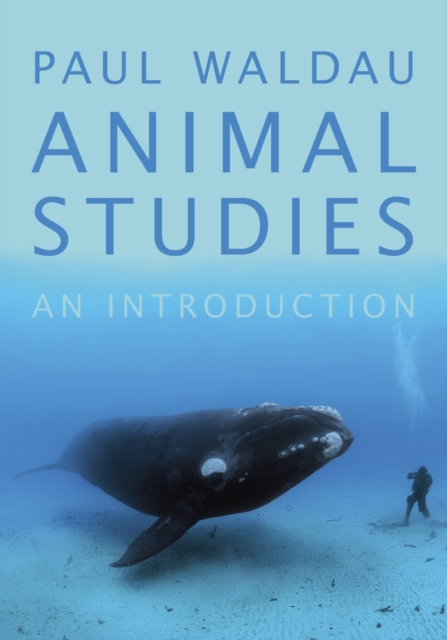
Animal studies : an introduction
Animal studies is a growing interdisciplinary field that incorporates scholarship from public policy, sociology, religion, politics, philosophy, and many other fields. This new field seeks to understand how humans study and conceive of other-than-human animals, and how these conceptions have changed over time, across cultures, and among various scholarly modes of inquiry. Until now, this growing field has lacked a comprehensive introductory text appropriate for new scholars. Animal Studies: An Introduction fills this deficiency, providing the first holistic survey of the field.
eBook

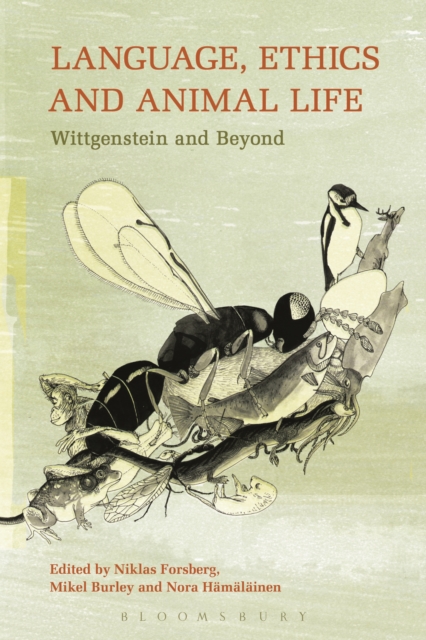
Language, ethics and animal life : Wittgenstein and beyond
New research into human and animal consciousness, a heightened awareness of the methods and consequences of intensive farming, and modern concerns about animal welfare and ecology are among the factors that have made our relationship to animals an area of burning interest in contemporary philosophy. Utilizing methods inspired by Ludwig Wittgenstein, the contributors to this volume explore this area in a variety of ways. Topics discussed include: scientific vs. non-scientific ways of describing human and animal behaviour; the ethics of eating particular animal species; human nature, emotions, and instinctive reactions; responses of wonder towards the natural world; the moral relevance of literature; the concept of dignity; and the question whether non-human animals can use language. This book will be of great value to anyone interested in philosophical and interdisciplinary issues concerning language, ethics and humanity's relation to animals and the natural world.
eBook


The moral circle : who matters, what matters, and why
Today, human exceptionalism is the norm. Despite occasional nods to animal welfare, we prioritize humankind, often neglecting the welfare of a vast number of beings. In 'The Moral Circle', philosopher Jeff Sebo challenges us to include all potentially significant beings in our moral community, with transformative implications for our lives and societies.
BOOK

Fellow Creatures
This book argues that we are obligated to treat all sentient animals as “ends in themselves.” Drawing on a theory of the good derived from Aristotle, it offers an explanation of why animals are the sorts of beings who have a good. Drawing on a revised version of Kant’s argument for the value of humanity, it argues that rationality commits us to claiming the standing of ends in ourselves in two senses. As autonomous beings, we claim to be ends in ourselves when we claim the standing to make laws for ourselves and each other. As beings who have a good, we also claim to be ends in ourselves when we take the things that are good for us to be good absolutely and so worthy of pursuit. The first claim commits us to joining with other autonomous beings in relations of reciprocal moral lawmaking. The second claim commits us to treating the good of every sentient animal as something of absolute importance. The book also argues that human beings are not more important than, superior to, or better off than the other animals. It criticizes the “marginal cases” argument and advances a view of moral standing as attaching to the atemporal subjects of lives. It offers a non-utilitarian account of the relationship between the good and pleasure, and addresses questions about the badness of extinction and about whether we have the right to eat animals, experiment on them, make them work for us, and keep them as pets.
eBook