
Catalogue Search | MBRL


Are you sure you want to remove the book from the shelf?

{{itemTitle}}
133
result(s) for
"Antinuclear movement -- History"
Sort by:

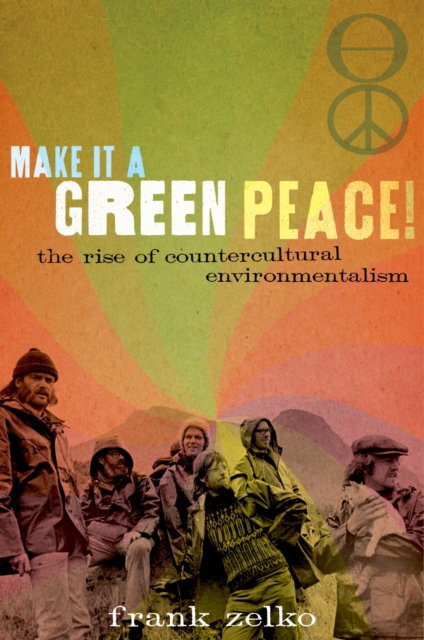
Make it a green peace! : the rise of countercultural environmentalism
Make it a Green Peace! explores the complex intellectual and cultural roots of Greenpeace, tracing the development of the organization from its emergence amidst the various protest movements of the 1950s and 1960s to the end of its volative, dramatic, and at times quirky first decade in 1980.
eBook

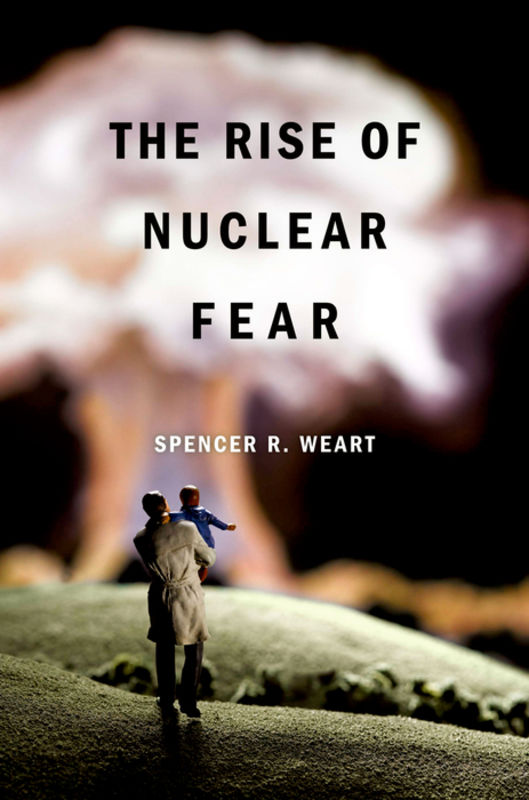
The Rise of Nuclear Fear
After the Fukushima Nuclear Power Plant had a meltdown, protesters around the world challenged nuclear power. Climate change has never aroused this visceral dread. Weart dissects this paradox, showing that powerful images surrounding nuclear energy hold us captive, allowing fear, rather than facts, to drive our thinking and public policy.
eBook

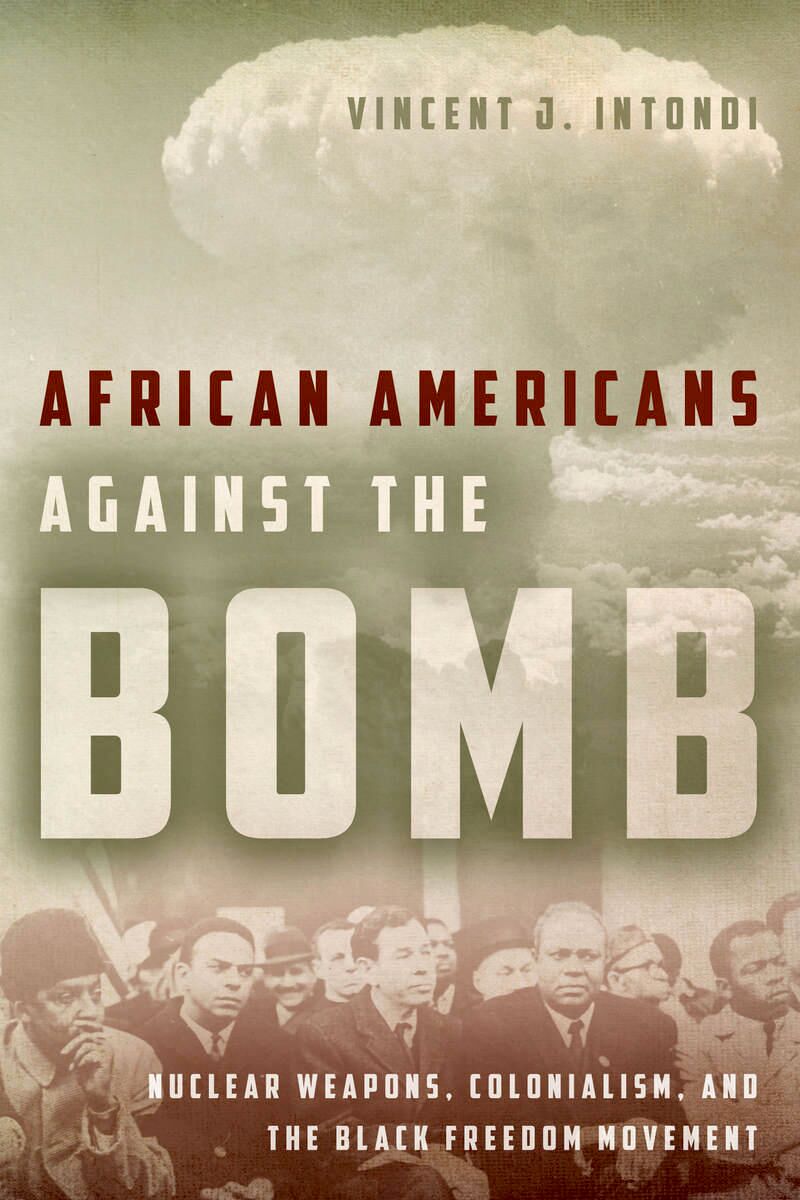
African Americans against the bomb : nuclear weapons, colonialism, and the Black freedom movement
Well before Rev. Dr. Martin Luther King, Jr. spoke out against nuclear weapons, African Americans were protesting the Bomb. Historians have generally ignored African Americans when studying the anti-nuclear movement, yet they were some of the first citizens to protest Truman's decision to drop atomic bombs in Hiroshima and Nagasaki in 1945. Now for the first time, African Americans Against the Bomb tells the compelling story of those black activists who fought for nuclear disarmament by connecting the nuclear issue with the fight for racial equality. Intondi shows that from early on, blacks in America saw the use of atomic bombs as a racial issue, asking why such enormous resources were being spent building nuclear arms instead of being used to improve impoverished communities. Black activists' fears that race played a role in the decision to deploy atomic bombs only increased when the U.S. threatened to use nuclear weapons in Korea in the 1950s and Vietnam a decade later. For black leftists in Popular Front groups, the nuclear issue was connected to colonialism: the U.S. obtained uranium from the Belgian controlled Congo and the French tested their nuclear weapons in the Sahara. By expanding traditional research in the history of the nuclear disarmament movement to look at black liberals, clergy, artists, musicians, and civil rights leaders, Intondi reveals the links between the black freedom movement in America and issues of global peace. From Langston Hughes through Lorraine Hansberry to President Obama, African Americans Against the Bomb offers an eye-opening account of the continuous involvement of African Americans who recognized that the rise of nuclear weapons was a threat to the civil rights of all people.
eBook


Reckoning Day
Too often lost in our understanding of the American Cold War crisis, with its nuclear brinkmanship and global political chess game, is the simultaneous crisis on the nation's racial front. Reckoning Day is the first book to examine the relationship of African Americans to the atom bomb in postwar America. It tells the wide-ranging story of African Americans' response to the atomic threat in the postwar period. It examines the anti-nuclear writing and activism of major figures such as W.E.B. Du Bois, Rev. Dr. Martin Luther King, Jr., and Lorraine Hansberry as well as the placement (or absence) of black characters in white-authored doomsday fiction and nonfiction. Author Jacqueline Foertsch analyzes the work of African American thinkers, activists, writers, journalists, filmmakers, and musical performers in the \"atomic\" decades of 1945 to 1965 and beyond. Her book tells the dynamic story of commitment and interdependence, as these major figures spoke with force and eloquence for nuclear disarmament, just as they argued unassailably for racial equality on numerous other occasions. Foertsch also examines the placement of African American characters in white-authored doomsday novels, science fiction, and survivalist nonfiction such as government-sponsored forecasts regarding post-nuclear survival. In these, black characters are often displaced or absented entirely: in doomsday narratives they are excluded from executive decision-making and the stories' often triumphant conclusions; in the nonfiction, they are rarely envisioned amongst the \"typical American\" survivors charged with rebuilding US society. Throughout Reckoning Day, issues of placement and positioning provide the conceptual framework: abandoned at \"ground zero\" (America's inner cities) during the height of the atomic threat, African Americans were figured in white-authored survival fiction as compliant servants aiding white victory over atomic adversity, while as historical figures they were often perceived as \"elsewhere\" (indifferent) to the atomic threat. In fact, African Americans' \"position\" on the bomb was rarely one of silence or indifference. Ranging from appreciation to disdain to vigorous opposition, atomic-era African Americans developed diverse and meaningful positions on the bomb and made essential contributions to a remarkably American dialogue.
eBook


Saving the world from nuclear war : The June 12, 1982, Disarmament Rally and beyond
Examines how the June 12, 1982, rally for nuclear disarmament paved the way for a new generation of activists.On June 12, 1982, one million people filled the streets of New York City and rallied in Central Park to show support for the United Nations' Second Special Session on Disarmament. They demanded an end to the nuclear arms race and called for a shift from military funds to money allocated for human needs. In Saving the World from Nuclear War, Vincent J. Intondi draws on archival materials and interviews with rally organizers and activists in Central Park to explore this demonstration from its inception through the months of organizing, recruiting, and planning, to the historic day itself.
eBook