
Catalogue Search | MBRL


Are you sure you want to remove the book from the shelf?

{{itemTitle}}
170
result(s) for
"Armenians Turkey History."
Sort by:


The Young Turks' crime against humanity : the Armenian genocide and ethnic cleansing in the Ottoman Empire
Introducing evidence from more than 600 secret Ottoman documents, this book demonstrates in unprecedented detail that the Armenian Genocide and the expulsion of Greeks from the late Ottoman Empire resulted from an official effort to rid the empire of its Christian subjects.
eBook

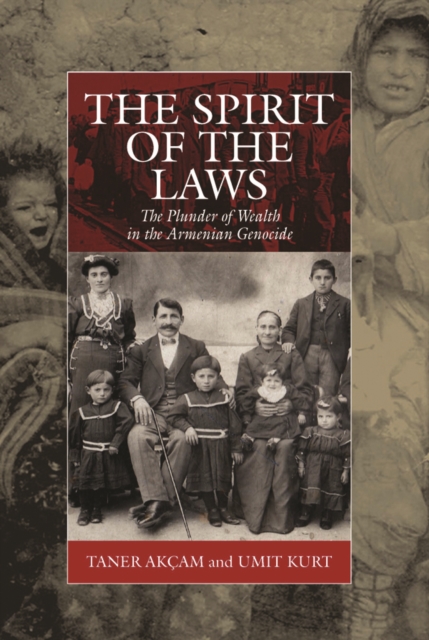
The spirit of the laws
Pertinent to contemporary demands for reparations from Turkey is the relationship between law and property in connection with the Armenian Genocide. This book examines the confiscation of Armenian properties during the genocide and subsequent attempts to retain seized Armenian wealth. Through the close analysis of laws and treaties, it reveals that decrees issued during the genocide constitute central pillars of the Turkish system of property rights, retaining their legal validity, and although Turkey has acceded through international agreements to return Armenian properties, it continues to refuse to do so. The book demonstrates that genocides do not depend on the abolition of the legal system and elimination of rights, but that, on the contrary, the perpetrators of genocide manipulate the legal system to facilitate their plans.
eBook


The Armenian Genocide
In 1915, the Armenians were exiled from their land, and in the process of deportation 1.5 million of them were killed. The 1915-1916 annihilation of the Armenians was the archetype of modern genocide, in which a state adopts a specific scheme geared to the destruction of an identifiable group of its own citizens. Official German diplomatic documents are of great importance in understanding the genocide, as only Germany had the right to report day-by-day in secret code about the ongoing genocide. The motives, methods, and after-effects of the Armenian Genocide echoed strongly in subsequent cases of state-sponsored genocide. Studying the factors that went into the Armenian Genocide not only gives us an understanding of historical genocide, but also provides us with crucial information for the anticipation and possible prevention of future genocides.
eBook

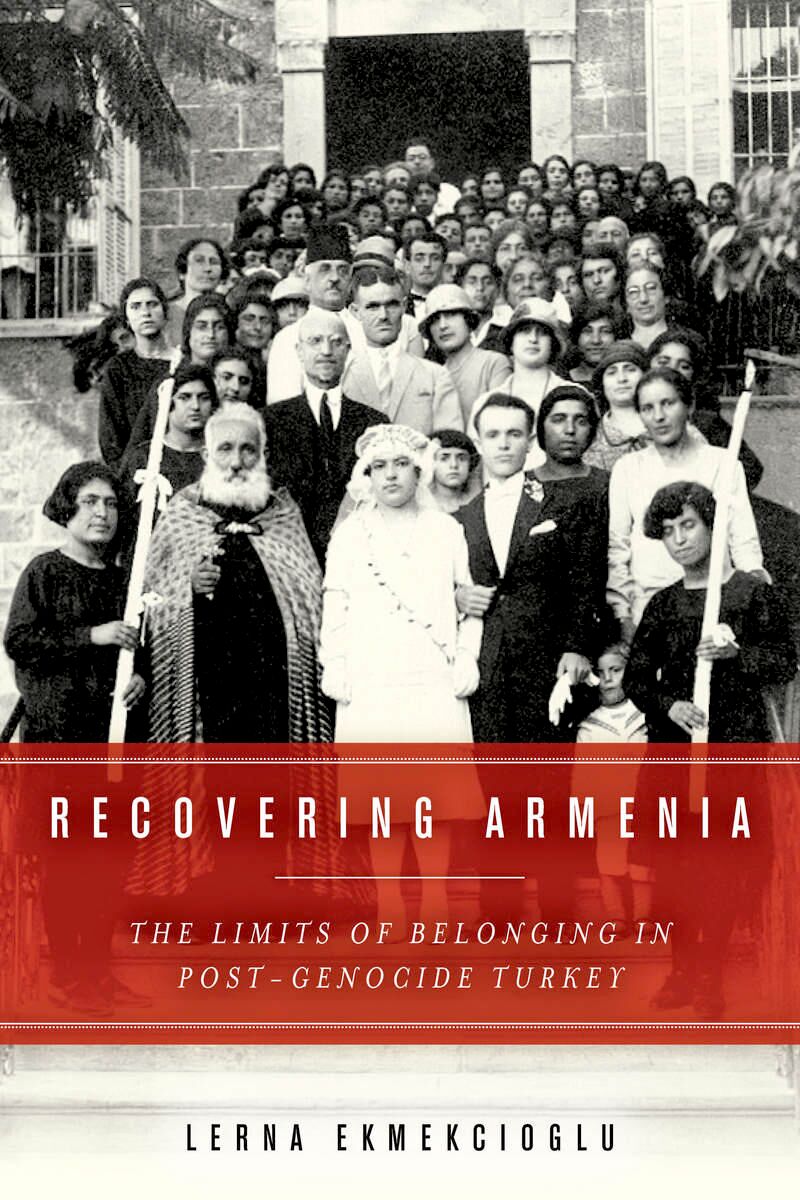
Recovering Armenia : the limits of belonging in post-genocide Turkey
Recovering Armenia offers the first in-depth study of the aftermath of the 1915 Armenian Genocide and the Armenians who remained in Turkey. Following World War I, as the victorious Allied powers occupied Ottoman territories, Armenian survivors returned to their hometowns optimistic that they might establish an independent Armenia. But Turkish resistance prevailed, and by 1923 the Allies withdrew, the Turkish Republic was established, and Armenians were left again to reconstruct their communities within a country that still considered them traitors. Lerna Ekmekcioglu investigates how Armenians recovered their identity within these drastically changing political conditions.
Reading Armenian texts and images produced in Istanbul from the close of WWI through the early 1930s, Ekmekcioglu gives voice to the community's most prominent public figures, notably Hayganush Mark, a renowned activist, feminist, and editor of the influential journal Hay Gin. These public figures articulated an Armenianess sustained through gendered differences, and women came to play a central role preserving traditions, memory, and the mother tongue within the home. But even as women were being celebrated for their traditional roles, a strong feminist movement found opportunity for leadership within the community. Ultimately, the book explores this paradox: how someone could be an Armenian and a feminist in post-genocide Turkey when, through its various laws and regulations, the key path for Armenians to maintain their identity was through traditionally gendered roles.
eBook


Sasun : the history of an 1890s Armenian revolt
Sasun, a region of Anatolia formerly under Ottoman rule and today part of eastern Turkey, is frequently recounted in history books as the site where, in 1894, the Turks murdered anywhere from 3,000 to 10,000 Armenian Christians. News reports at the time detailed that gruesome acts, including torture, had occurred at Sasun at the hands of the Ottoman army. The Ottoman Empire denied these allegations. A commission of European delegates sent to investigate the matter concluded that the news reports were highly exaggerated, yet the original stories of atrocities have persisted. This volume provides a close examination of the historical evidence to shed light on what really happened at Sasun. The authors’ research indicates that the stories circulated by the media of torture and murder in Sasun don’t hold up against the findings of the European investigators though they were motivated by sympathy with Armenian Christians. Evidence instead showed that an Armenian revolt had led to fights with local Kurds and much smaller numbers of deaths, on both sides. The conflict had largely subsided before the arrival of the Ottoman army on the scene.
eBook