
Catalogue Search | MBRL


Are you sure you want to remove the book from the shelf?

{{itemTitle}}
1,483
result(s) for
"Asian/General"
Sort by:

Religious Revival and Secularism in Post-Soviet Azerbaijan
The series Religion and Society (RS) contributes to the exploration of religions as social systems - both in Western and non-Western societies; in particular, it examines religions in their differentiation from, and intersection with, other cultural systems, such as art, economy, law and politics. Due attention is given to paradigmatic case or comparative studies that exhibit a clear theoretical orientation with the empirical and historical data of religion and such aspects of religion as ritual, the religious imagination, constructions of tradition, iconography, or media. In addition, the formation of religious communities, their construction of identity, and their relation to society and the wider public are key issues of this series.
eBook

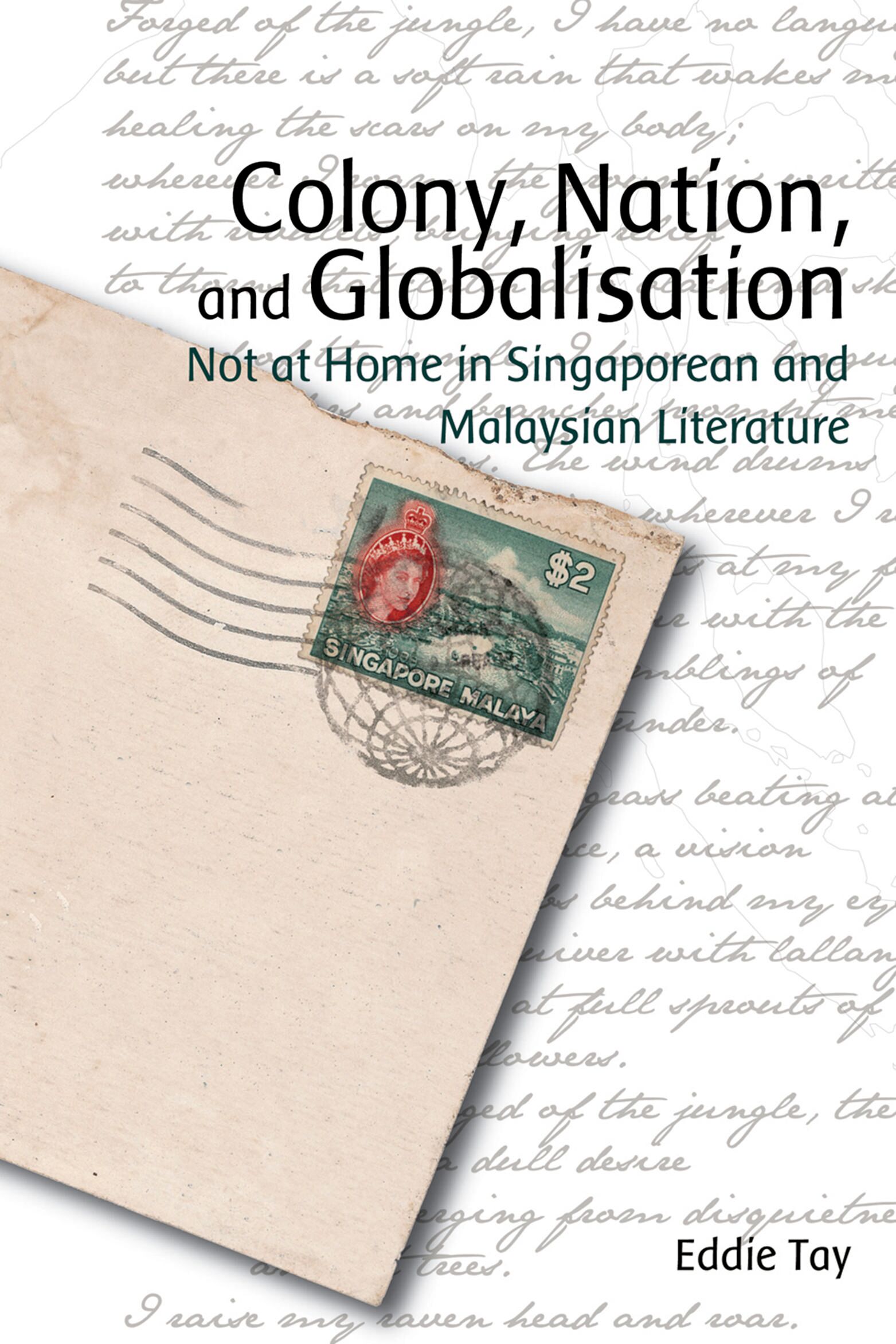
Colony, Nation, and Globalisation
The literature of Malaysia and Singapore, the multicultural epicenter of Asia, offers a rich body of source material for appreciating the intellectual heritage of colonial and postcolonial Southeast Asia. Focusing on themes of home and belong, Eddie Tay illuminates many aspects of identity anxiety experienced in the region, and helps construct a dialogue between postcolonial theory and the Anglophone literatures of Singapore and Malaysia. A chronologically ordered selection of texts is examined, including Swettenham, Bird, Maugham, Burgess, and Thumboo. The genealogy of works includes travel writings and sketches as well as contemporary diasporic novels by Malaysian and Singapore-born authors based outside their countries of origin. The premise is that home is a physical space as well as a symbolic terrain invested with social, political and cultural meanings. As discussions of politics and history argument close readings of literary works, the book should appeal not only to scholars of literature, but also to scholars of Southeast Asian politics and history.
eBook
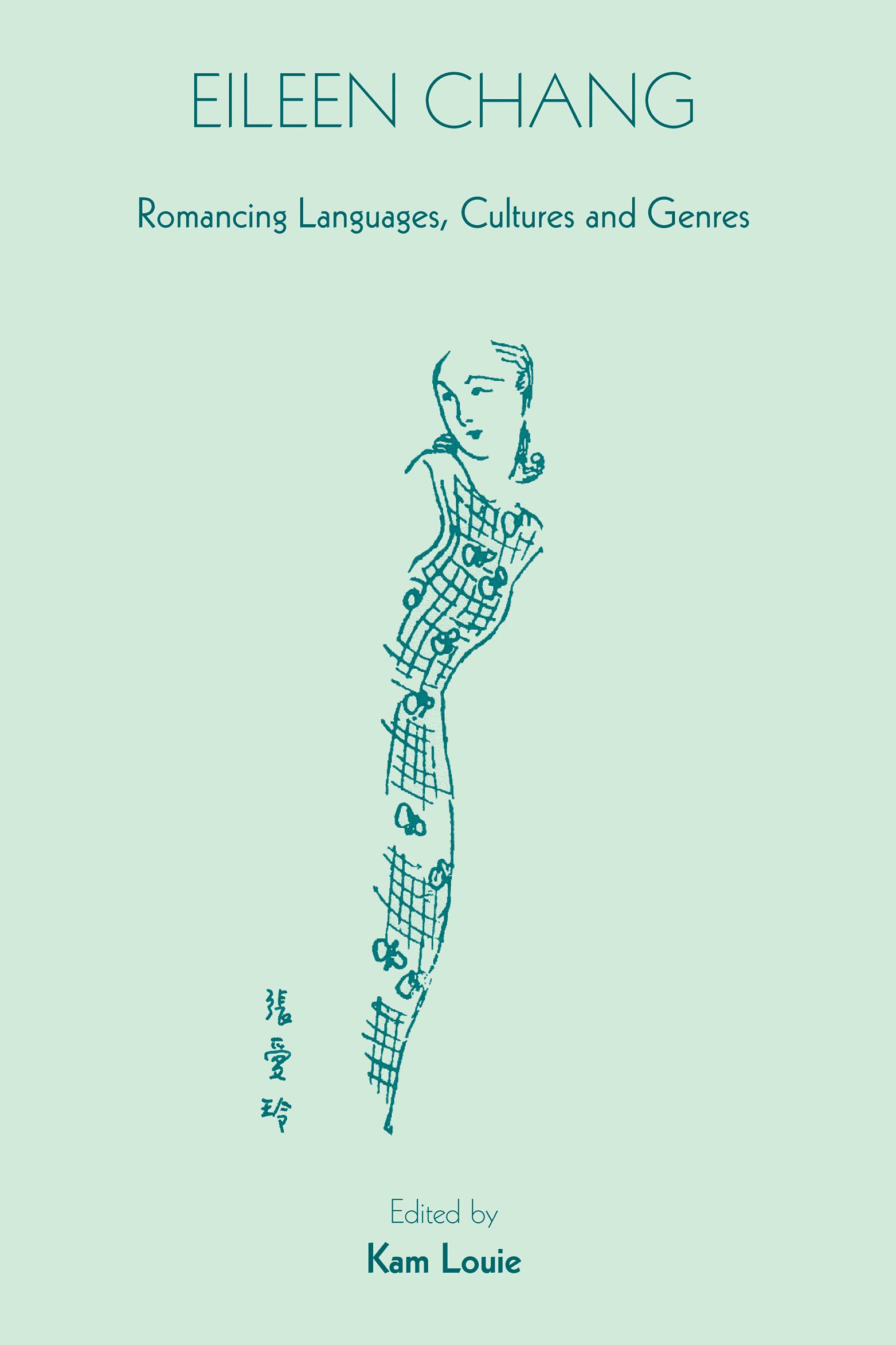
Eileen Chang
Eileen Chang (1920–1995) is arguably the most perceptive writer in modern Chinese literature. She was one of the most popular writers in 1940s Shanghai, but her insistence on writing about individual human relationships and mundane matters rather than revolutionary and political movements meant that in mainland China, she was neglected until very recently. Outside the mainland, her life and writings never ceased to fascinate Chinese readers. There are hundreds of works about her in the Chinese language but very few in other languages. This is the first work in English to explore her earliest short stories as well as novels that were published posthumously. It discusses the translation of her stories for film and stage presentation, as well as nonliterary aspects of her life that are essential for a more comprehensive understanding of her writings, including her intense concern for privacy and enduring sensitivity to her public image. The thirteen essays examine the fidelity and betrayals that dominate her alter ego’s relationships with parents and lovers, informed by theories and methodologies from a range of disciplines including literary, historical, gender, and film studies. These relationships are frequently dramatized in plays and filmic translations of her work.
eBook
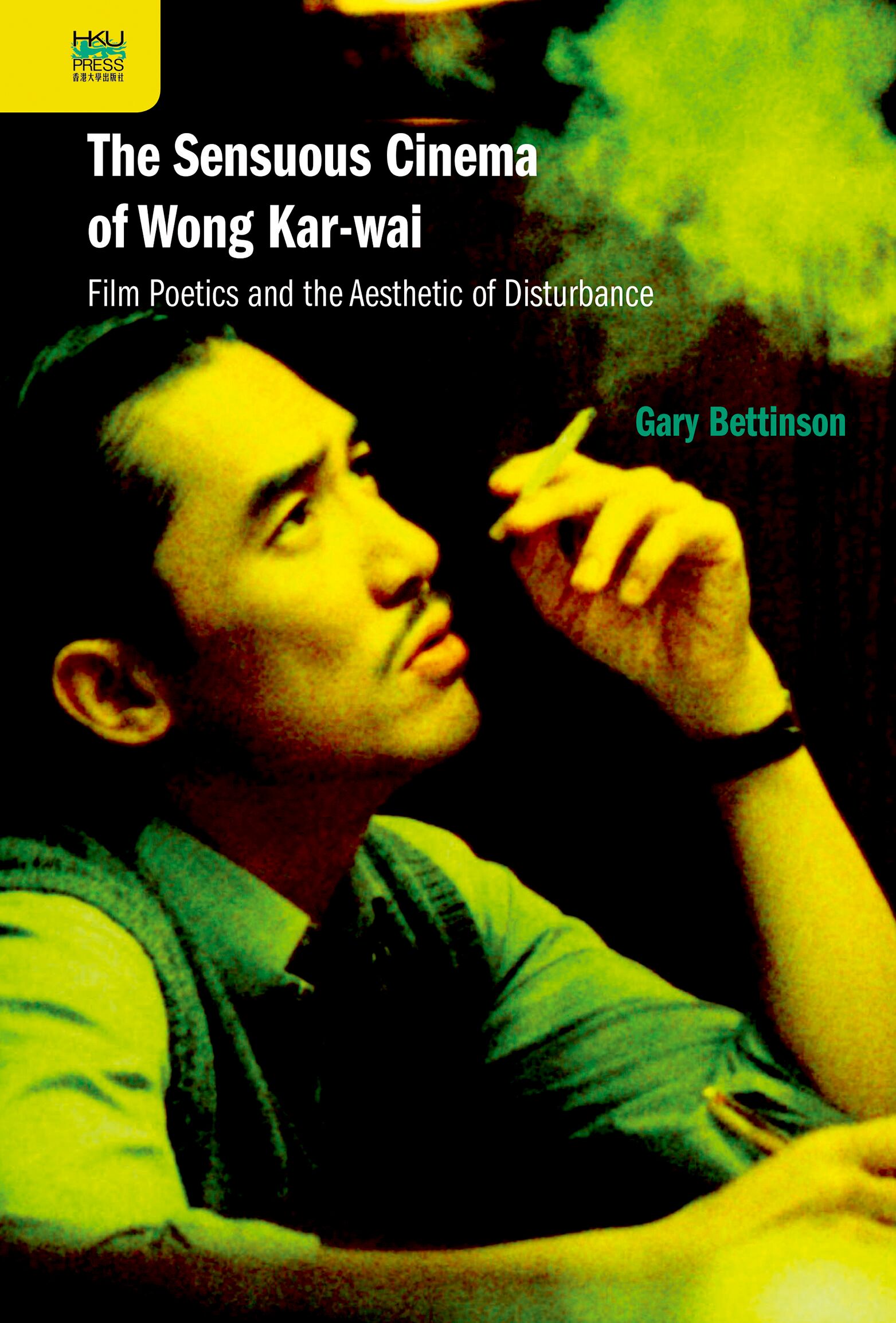
The Sensuous Cinema of Wong Kar-wai
The widely acclaimed films of Wong Kar-wai are characterized by their sumptuous yet complex visual and sonic style. This study of Wong’s filmmaking techniques uses a poetics approach to examine how form, music, narration, characterization, genre, and other artistic elements work together to produce certain effects on audiences. Bettinson argues that Wong’s films are permeated by an aesthetic of sensuousness and “disturbance” achieved through techniques such as narrative interruptions, facial masking, opaque cuts, and other complex strategies. The effect is to jolt the viewer out of complete aesthetic absorption. Each of the chapters focuses on a single aspect of Wong’s filmmaking. The book also discusses Wong’s influence on other filmmakers in Hong Kong and around the world. The Sensuous Cinema of Wong Kar-wai will appeal to all who are interested in authorship and aesthetics in film studies, to scholars in Asian studies, media and cultural studies, and to anyone with an interest in Hong Kong cinema in general, and Wong’s films in particular.
eBook

The Golden Peaches of Samarkand
In the seventh century the kingdom of Samarkand sent formal gifts of fancy yellow peaches, large as goose eggs and with a color like gold, to the Chinese court at Ch'ang-an. What kind of fruit these golden peaches really were cannot now be guessed, but they have the glamour of mystery, and they symbolize all the exotic things longed for, and unknown things hoped for, by the people of the T'ang empire.
This book examines the exotics imported into China during the T'ang Dynasty (A.D. 618-907), and depicts their influence on Chinese life. Into the land during the three centuries of T'ang came the natives of almost every nation of Asia, all bringing exotic wares either as gifts or as goods to be sold. Ivory, rare woods, drugs, diamonds, magicians, dancing girls—the author covers all classes of unusual imports, their places of origin, their lore, their effort on costume, dwellings, diet, and on painting, sculpture, music, and poetry.
This book is not a statistical record of commercial imports and medieval trade, but rather a \"humanistic essay, however material its subject matter.\"
eBook

Culture, Identity, Commodity
Established and emerging scholars offer timely discussions of \"diasporic Chinese studies,\" drawing on transnational, postcolonial, globalisation, and racialisation theories. The collection examines what is at stake in the consideration of diasporic literatures and the connections and fissures emerging in these new critical terrains.
eBook
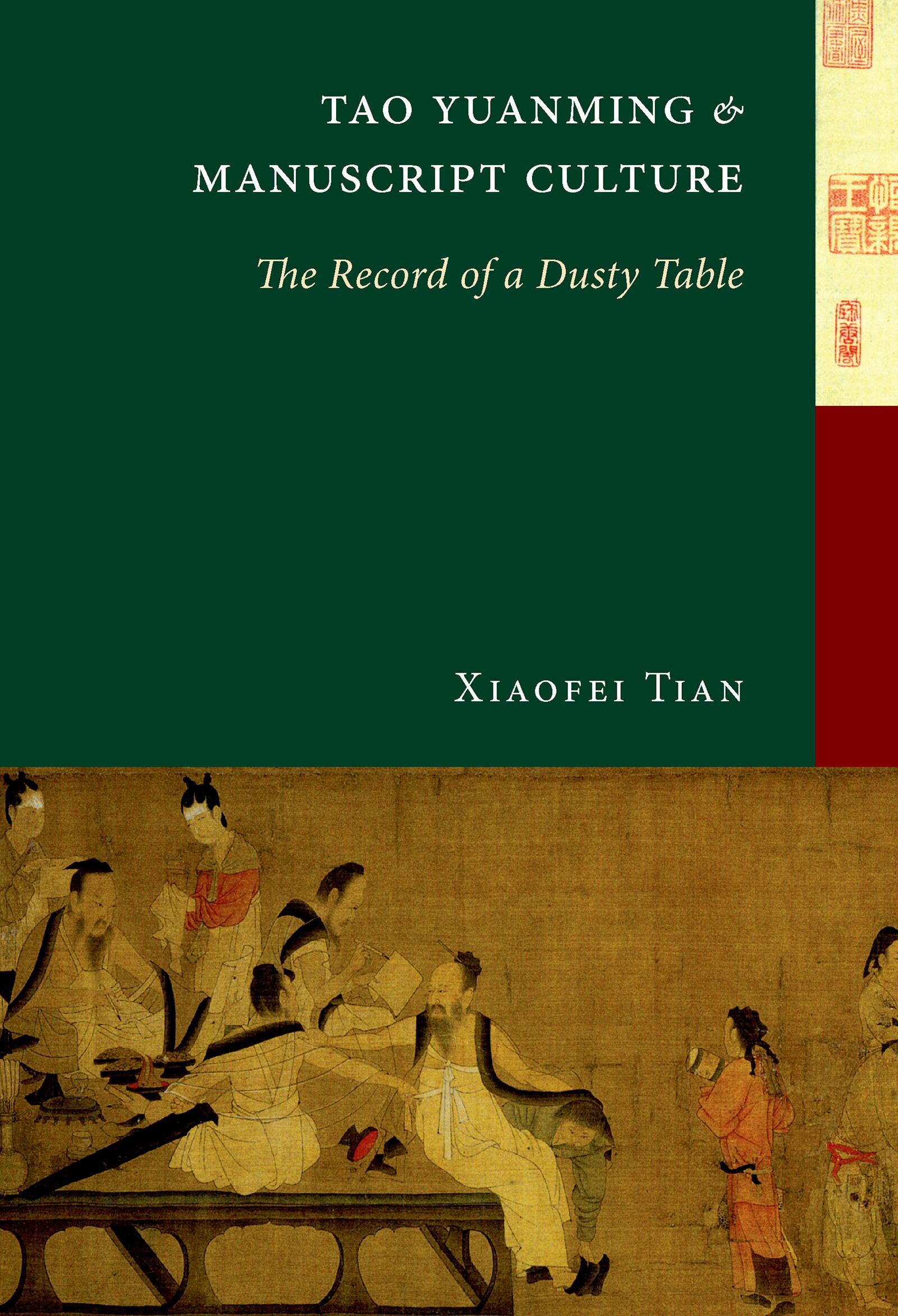
Tao Yuanming and Manuscript Culture
Winner of a 2006 Choice Magazine Outstanding Academic Title AwardAs medieval Chinese manuscripts were copied and recopied through the centuries, both mistakes and deliberate editorial changes were introduced, thereby affecting readers' impressions of the author's intent. In Tao Yuanming and Manuscript Culture, Xiaofei Tian shows how readers not only experience authors but produce them by shaping texts to their interpretation. Tian examines the mechanics and history of textual transmission in China by focusing on the evolution over the centuries of the reclusive poet Tao Yuanming into a figure of epic stature.Considered emblematic of the national character, Tao Yuanming (also known as Tao Qian, 365?-427 c.e.) is admired for having turned his back on active government service and city life to live a simple rural life of voluntary poverty. The artlessness of his poetic style is held as the highest literary and moral ideal, and literary critics have taken great pains to demonstrate perfect consistency between Tao Yuanming's life and poetry. Earlier work on Tao Yuanming has tended to accept this image, interpreting the poems to confirm the image.Tao Yuanming and Manuscript Culture is a study of how this cultural icon was produced and of the elusive traces of another, historical Tao Yuanming behind the icon. By comparing four early biographies of the poet, Tian shows how these are in large measure constructed out of Tao Yuanming's self-image as projected in his poetry and prose. Drawing on work in European medieval literature, she demonstrates the fluidity of the Chinese medieval textual world and how its materials were historically reconfigured for later purposes.Tian finds in Tao's poetic corpus not one essentialized Tao Yuanming, but multiple texts continuously produced long after the author's physical demise. Her provocative look at the influence of manuscript culture on literary perceptions transcends its immediate subject and has special resonance today, when the transition from print to electronic media is shaking the literary world in a way not unlike the transition from handwritten to print media in medieval China.
eBook
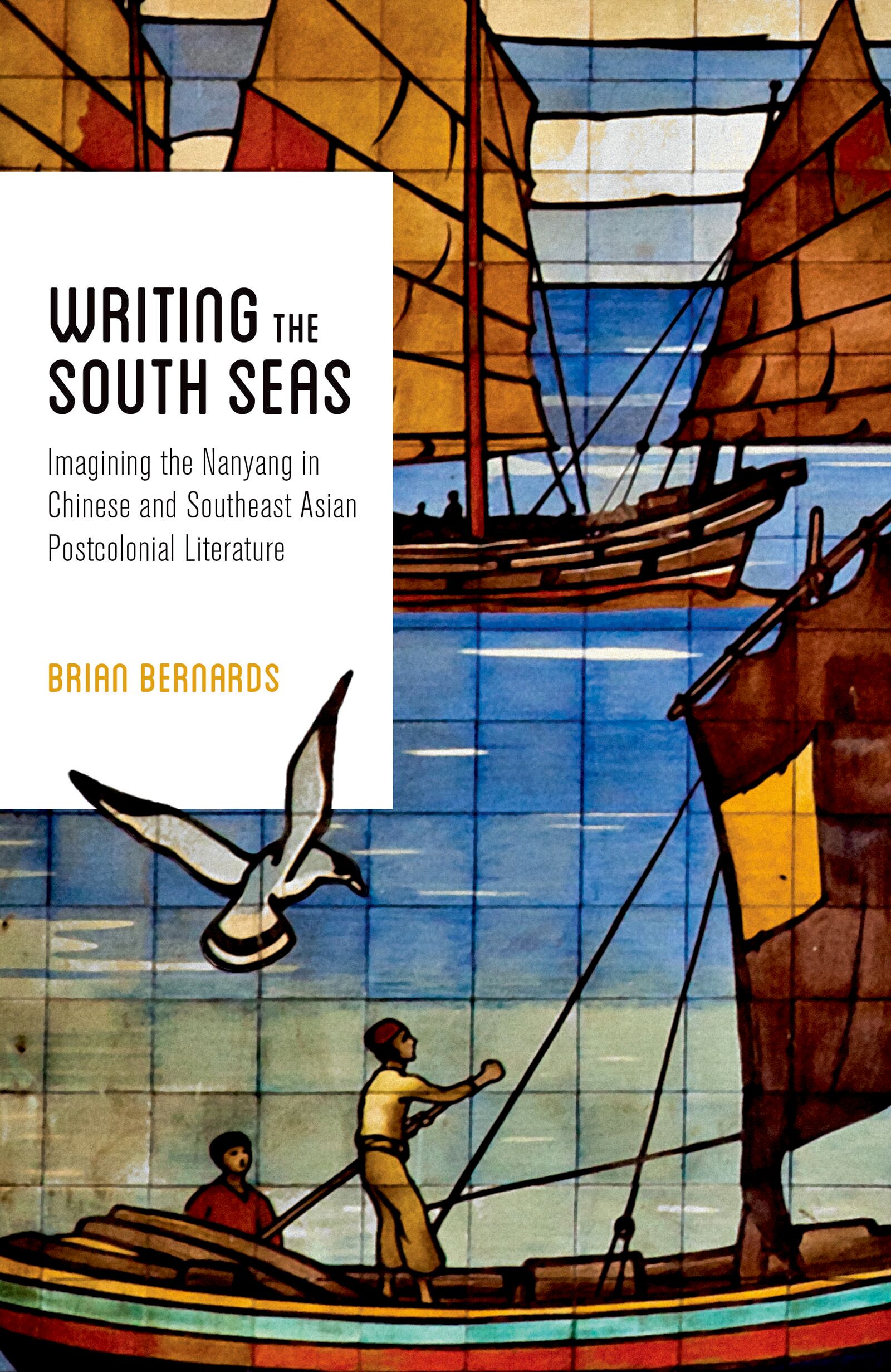
Writing the South Seas
Postcolonial literature about the South Seas, or Nanyang, examines the history of Chinese migration, localization, and interethnic exchange in Southeast Asia, where Sinophone settler cultures evolved independently by adapting to their \"New World\" and mingling with native cultures. Writing the South Seas explains why Nanyang encounters, neglected by most literary histories, should be considered crucial to the national literatures of China and Southeast Asia.
eBook