
Catalogue Search | MBRL


Are you sure you want to remove the book from the shelf?

{{itemTitle}}
15,612
result(s) for
"Asian Studies / China"
Sort by:

Marginality and Subversion in Korea
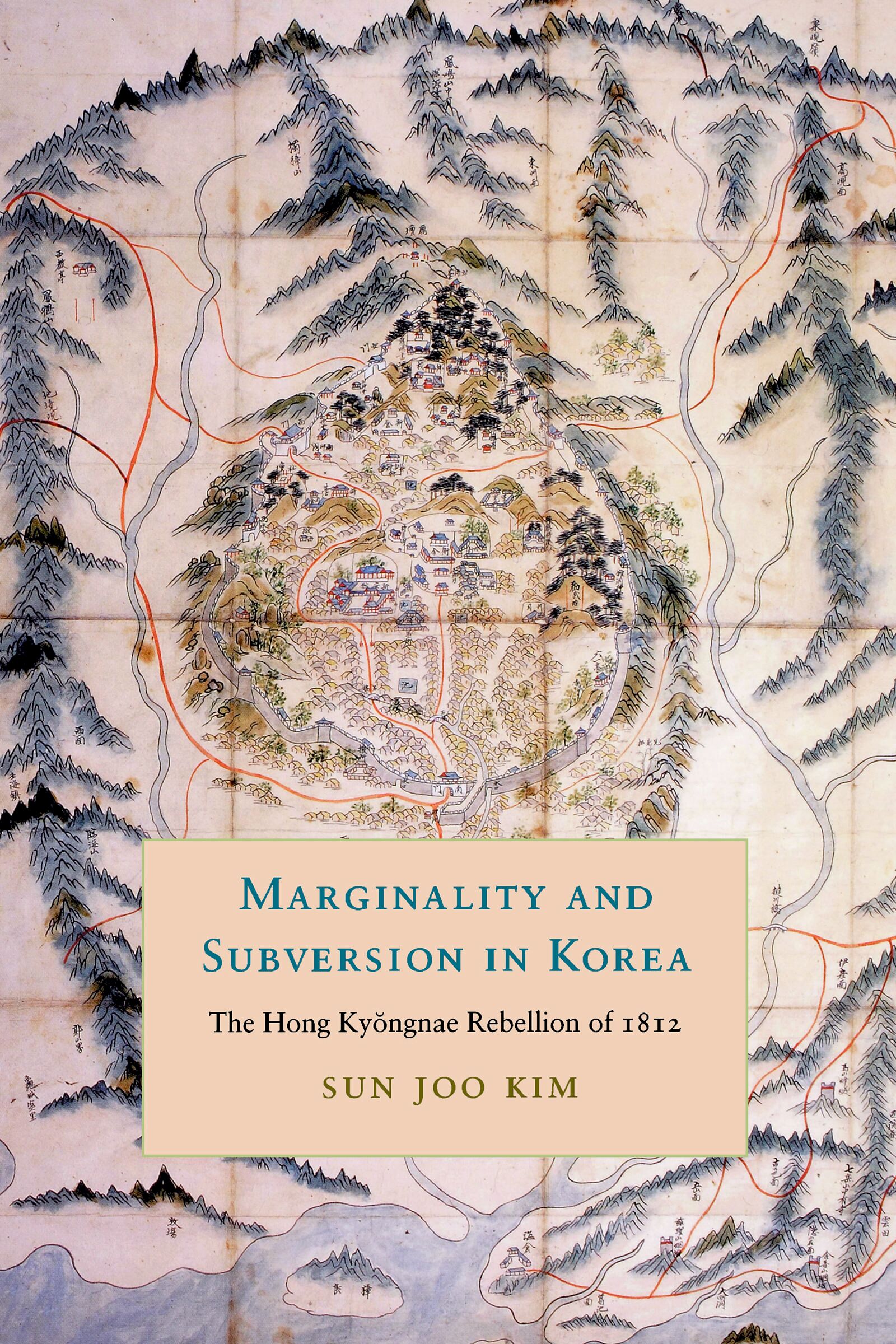
In the history of Korea, the nineteenth century is often considered an age of popular rebellions. Scholarly approaches have typically pointed to these rebellions as evidence of the progressive direction of the period, often using the theory of class struggle as an analytical framework. In Marginality and Subversion in Korea, Sun Joo Kim argues that a close reading of the actors and circumstances involved in one of the century's major rebellions, the Hong Kyongnae Rebellion of 1812, leads instead to more complex conclusions.Drawing from primary sources in Korean, Japanese, and classical Chinese, this book is the most extensive study in the English language of any of the major nineteenth-century rebellions in Korea. Whereas previous research has focused on economic and landlord-tenant tensions, suggesting that class animosity was the dominant feature in the political behavior of peasants, Sun Joo Kim explores the role of embittered local elites in providing vital support in the early stages to spur social change that would benefit these elites as much as the peasant class. Later, however, many of these same elites would rally to the side of the state, providing military and material contributions to help put down the rebellion. Kim explains why these opportunistic elites became discontented with the state in the scramble for power, prestige, and scarce resources, and why many ultimately worked to rescue and reinforce the Choson dynasty and the Confucian ideology that would prevail for another one hundred years.This sophisticated, groundbreaking study will be essential reading for historians and scholars of Korean studies, as well as those interested in early modern East Asia, social transformation, rebellions, and revolutions.
eBook
Treatises of the Supervisor and Guardian of the Cinnamon Sea
Fan Chengda (1126-1193) was a high-ranking Chinese government official in Guangxi, an experienced traveler, a keen observer, and a gifted writer. His observations on a wide range of subjects are always interesting and revealing, and constitute an important contribution to the literature on Song dynasty China's frontier peoples. Originally written in direct, unadorned, and allusion-free classical Chinese prose, the complete and annotated English translation of Treatises of the Supervisor and Guardian of the Cinnamon Sea (Guihai yuheng zhi) captures its charm and significance.
eBook
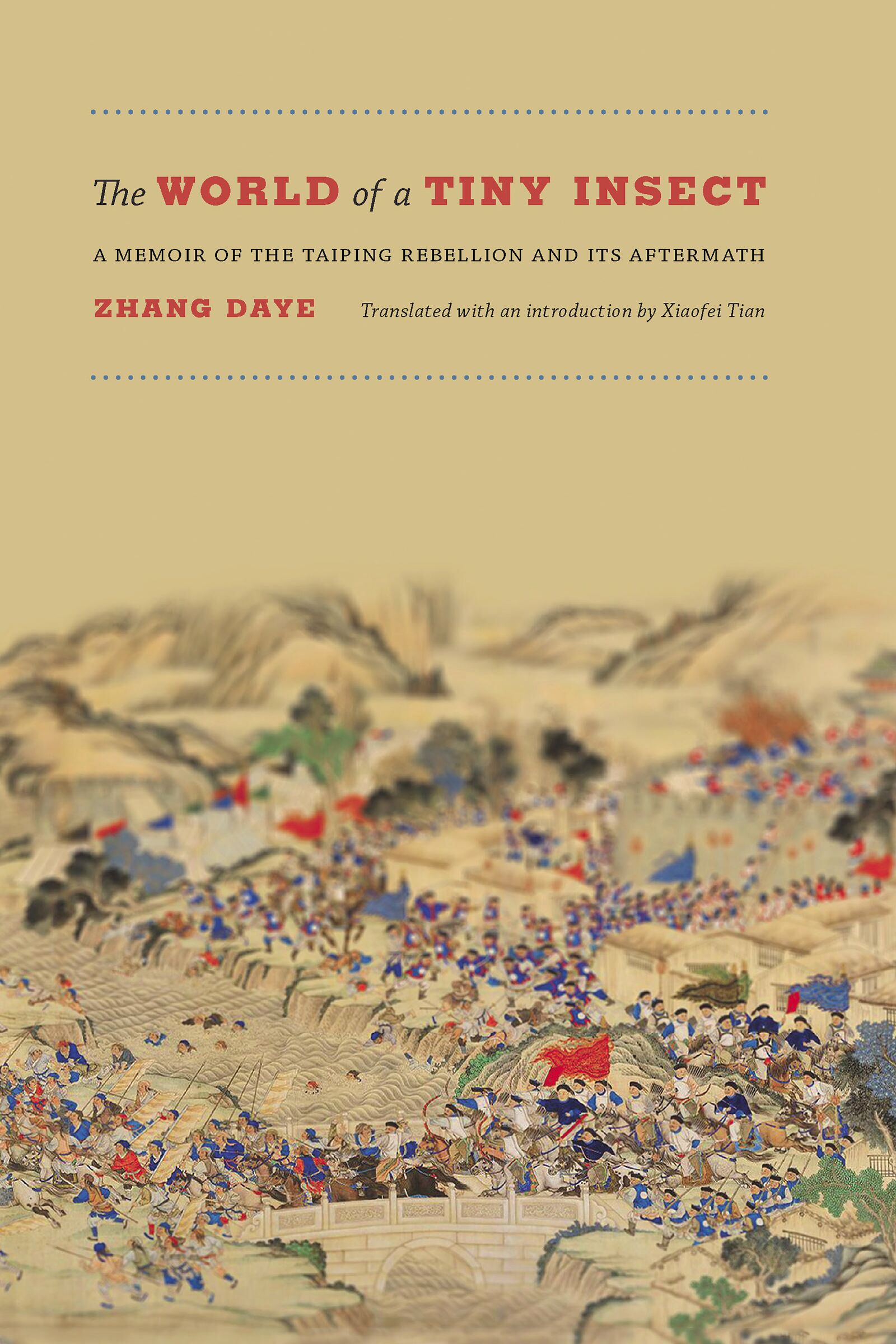
The World of a Tiny Insect
\"From the cry of a tiny insect, one can hear the sound of a vast world. . . .\"So begins Zhang Daye's preface to The World of a Tiny Insect, his haunting memoir of war and its aftermath. In 1861, when China's devastating Taiping rebellion began, Zhang was seven years old. The Taiping rebel army occupied Shaoxing, his hometown, and for the next two years, he hid from Taiping soldiers, local bandits, and imperial troops and witnessed gruesome scenes of violence and death. He lost friends and family and nearly died himself from starvation, illness, and encounters with soldiers on a rampage.Written thirty years later, The World of a Tiny Insect gives voice to this history. A rare premodern Chinese literary work depicting a child's perspective, Zhang's sophisticated text captures the macabre images, paranoia, and emotional excess that defined his wartime experience and echoed through his adult life. The structure, content, and imagery of The World of a Tiny Insect offer a carefully constructed, fragmented narrative that skips in time and probes the relationships between trauma and memory, revealing both history and its psychic impact. Xiaofei Tian's annotated translation includes an introduction that situates The World of a Tiny Insect in Chinese history and literature and explores the relevance of the book to the workings of traumatic memory.
eBook
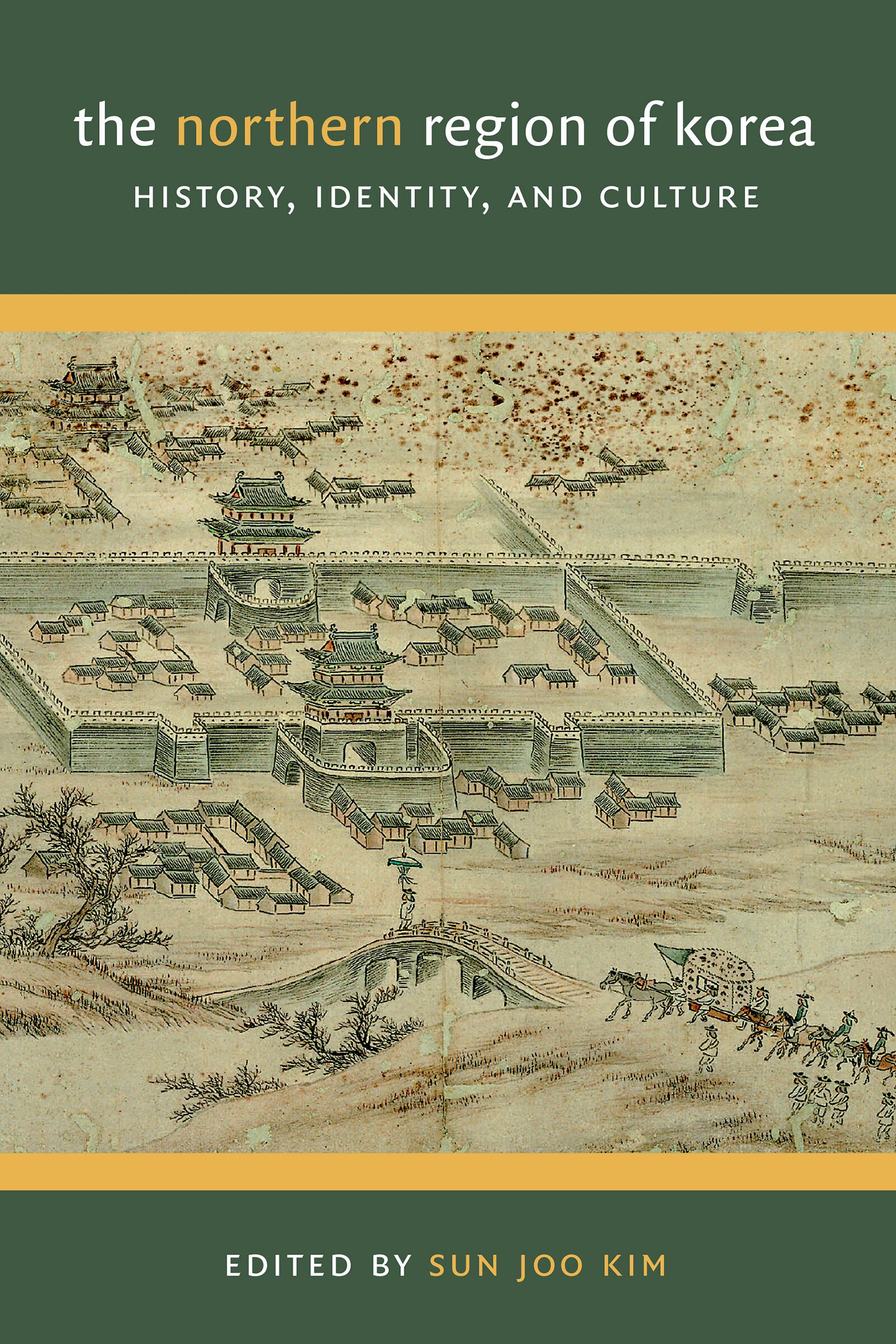
The Northern Region of Korea
The residents of the three northern provinces of Korea have long had cultural and linguistic characteristics that have marked them as distinct from their brethren in the central area near the capital and in the southern provinces. The making and legitimating of centralized Korean nation-states over the centuries, however, have marginalized the northern region and its distinct subjectivities.Contributors to this book address the problem of amnesia regarding this distinct subjectivity of the northern region of Korea in contemporary, historical, and cultural discourses, which have largely been dominated by grand paradigms, such as modernization theory, the positivist perspective, and Marxism. Through the use of storytelling, linguistic analysis, and journal entries from turn-of-the-century missionaries and traveling Russians in addition to many varieties of unconventional primary sources, the authors creatively explore unfamiliar terrain while examining the culture, identity, and regional distinctiveness of the northern region and its people. They investigate how the northern part of the Korean peninsula developed and changed historically from the early Choson to the colonial period and come to a consensus regarding the importance of regionalism as a vital factor in historical transformation, especially in regard to Korea's tumultuous modern era.
eBook
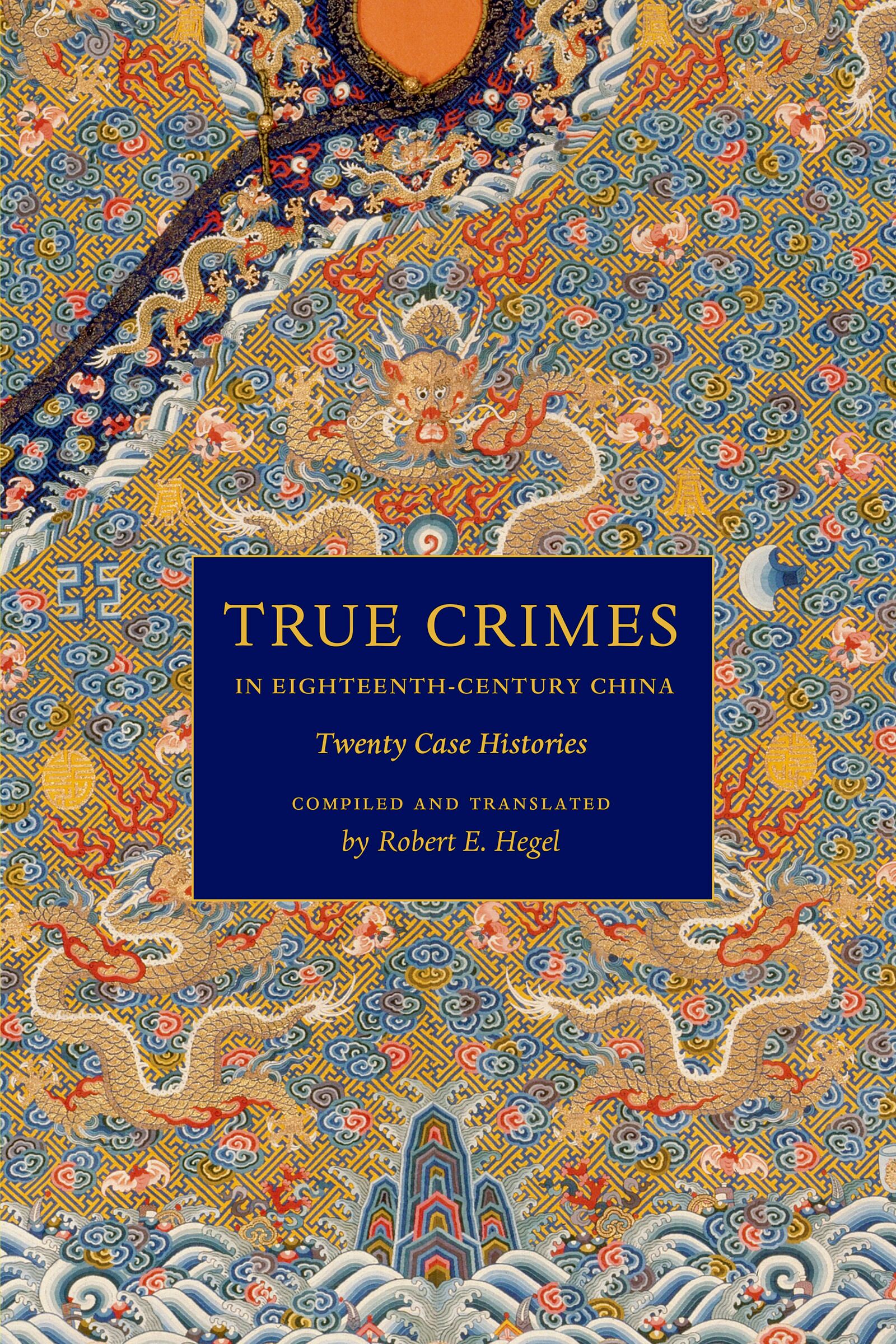
True Crimes in Eighteenth-Century China
The little-examined genre of legal case narratives is represented in this fascinating volume, the first collection translated into English of criminal cases - most involving homicide - from late imperial China. These true stories of crimes of passion, family conflict, neighborhood feuds, gang violence, and sedition are a treasure trove of information about social relations and legal procedure.Each narrative describes circumstances leading up to a crime and its discovery, the appearance of the crime scene and the body, the apparent cause of death, speculation about motives and premeditation, and whether self-defense was involved. Detailed testimony is included from the accused and from witnesses, family members, and neighbors, as well as summaries and opinions from local magistrates, their coroners, and other officials higher up the chain of judicial review. Officials explain which law in the Qing dynasty legal code was violated, which corresponding punishment was appropriate, and whether the sentence was eligible for reduction.These records began as reports from magistrates on homicide cases within their jurisdiction that were required by law to be tried first at the county level, then reviewed by judicial officials at the prefectural, provincial, and national levels, with each administrator adding his own observations to the file. Each case was decided finally in Beijing, in the name of the emperor if not by the monarch himself, before sentences could be carried out and the records permanently filed. All of the cases translated here are from the Qing imperial copies, most of which are now housed in the First Historical Archives, Beijing.
eBook
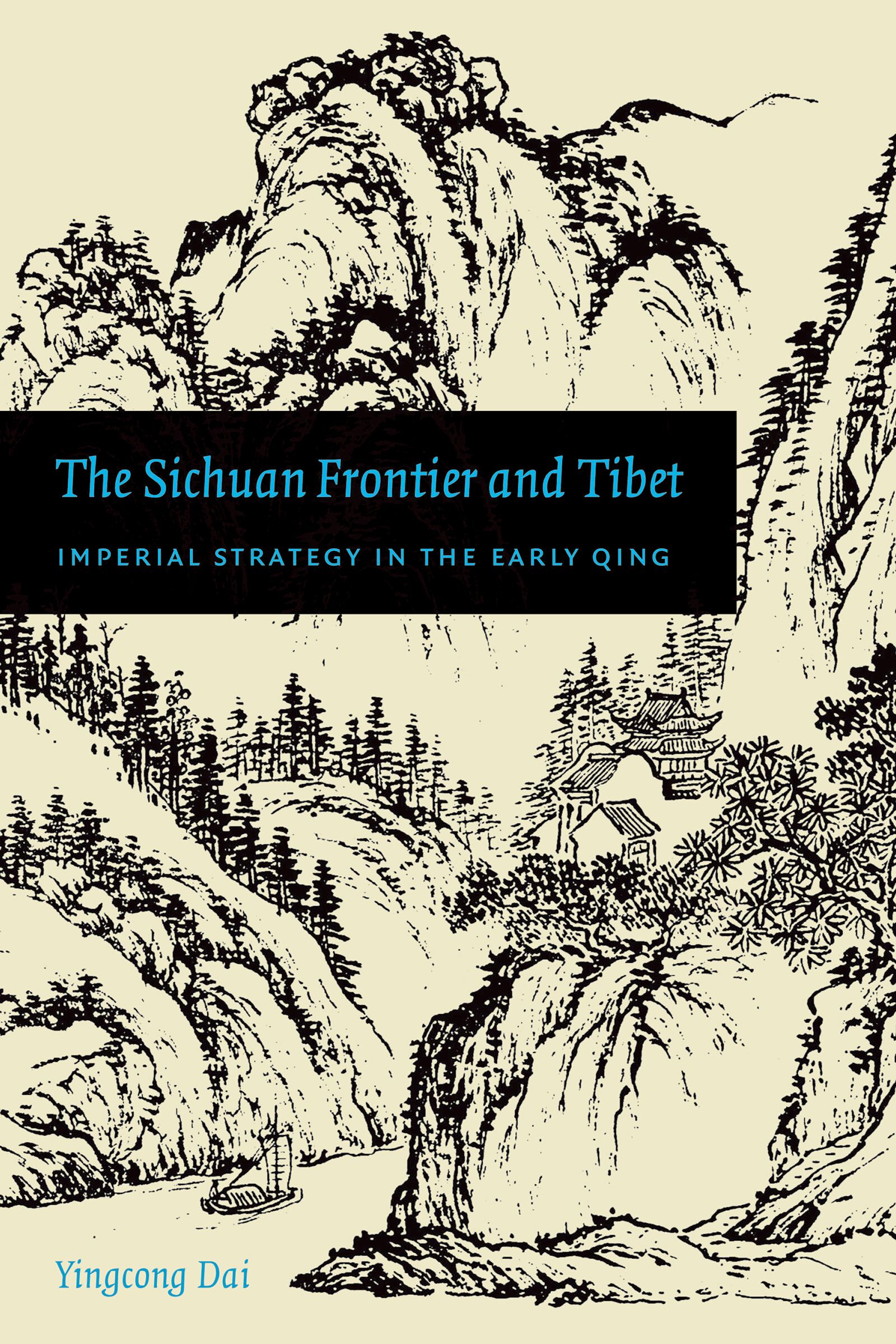
The Sichuan Frontier and Tibet
During China's last dynasty, the Qing (1644-1911), the empire's remote, bleak, and politically insignificant Southwest rose to become a strategically vital area. This study of the imperial government's handling of the southwestern frontier illuminates issues of considerable importance in Chinese history and foreign relations: Sichuan's rise as a key strategic area in relation to the complicated struggle between the Zunghar Mongols and China over Tibet, Sichuan's neighbor to the west, and consequent developments in governance and taxation of the area.Through analysis of government documents, gazetteers, and private accounts, Yingcong Dai explores the intersections of political and social history, arguing that imperial strategy toward the southwestern frontier was pivotal in changing Sichuan's socioeconomic landscape. Government policies resulted in light taxation, immigration into Sichuan, and a military market for local products, thus altering Sichuan but ironically contributing toward the eventual demise of the Qing.Dai's detailed, objective analysis of China's historical relationship with Tibet will be useful for readers seeking to understand debates concerning Tibet's sovereignty, Tibetan theocratic government, and the political dimension of the system of incarnate Tibetan lamas (of which the Dalai Lama is one).
eBook
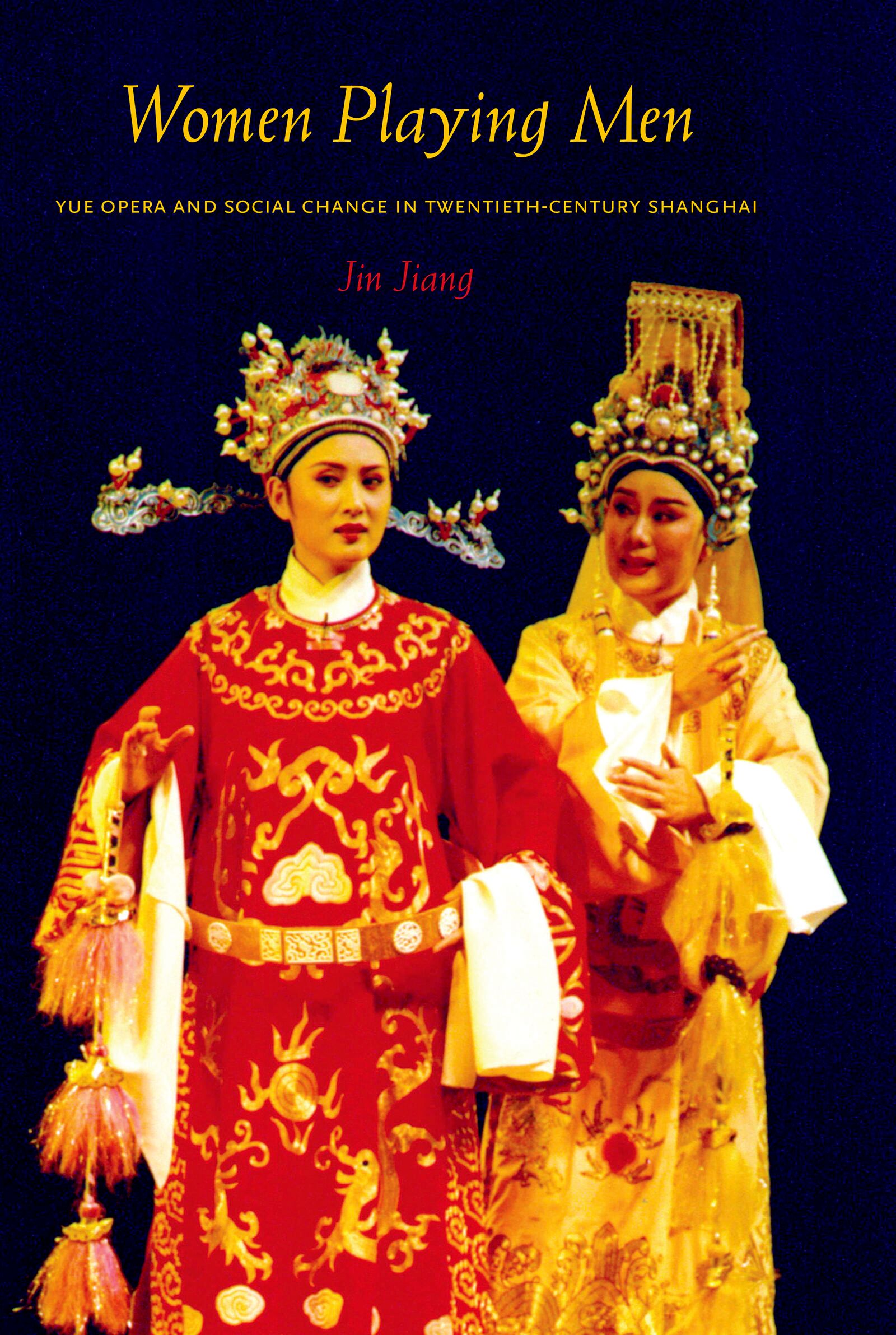
Women Playing Men
This ground-breaking volume documents women's influence on popular culture in twentieth-century China by examining Yue opera. A subgenre of Chinese opera, it migrated from the countryside to urban Shanghai and morphed from its traditional all-male form into an all-female one, with women cross-dressing as male characters for a largely female audience.Yue opera originated in the Zhejiang countryside as a form of story-singing, which rural immigrants brought with them to the metropolis of Shanghai. There, in the 1930s, its content and style transformed from rural to urban, and its cast changed gender. By evolving in response to sociopolitical and commercial conditions and actress-initiated reforms, Yue opera emerged as Shanghai's most popular opera from the 1930s through the 1980s and illustrates the historical rise of women in Chinese public culture.Jiang examines the origins of the genre in the context of the local operas that preceded it and situates its development amid the political, cultural, and social movements that swept both Shanghai and China in the twentieth century. She details the contributions of opera stars and related professionals and examines the relationships among actresses, patrons, and fans. As Yue opera actresses initiated reforms to purge their theater of bawdy eroticism in favor of the modern love drama, they elevated their social image, captured the public imagination, and sought independence from the patriarchal opera system by establishing their own companies. Throughout the story of Yue opera, Jiang looks at Chinese women's struggle to control their lives, careers, and public images and to claim ownership of their history and artistic representations.
eBook