
Catalogue Search | MBRL


Are you sure you want to remove the book from the shelf?

{{itemTitle}}
805
result(s) for
"Aspartic proteinase"
Sort by:

Correction: Phytochemical profiling of Vitex negundo seeds via UHPLC-QTOF-MS/MS analyses with antimicrobial evaluation and in silico targeting of DNA Gyrase B and Secreted Aspartic Proteinase 2 (SAP2)
[This corrects the article DOI: 10.1371/journal.pone.0343965.].
Journal Article

Estimating the expression levels of genes controlling biofilm formation and evaluating the effects of different conditions on biofilm formation and secreted aspartic proteinase activity in Candida albicans and Saccharomyces cerevisiae: a comparative study
Background
Characterization of yeast virulence genes is an important tool for identifying the molecular pathways involved in switching yeast virulence. Biofilm formation (BF) and secreted aspartic proteinase (SAP) activity are essential virulence factors that contribute to yeast pathogenicity.
Results
Four
Candida albicans
and two
Saccharomyces cerevisiae
strains were tested for BF and SAP activity under optimum conditions, and the expression levels of several genes controlling BF were quantified under the optimal conditions. Biofilm formation was assessed by the microplate method at different pH values, incubation times and culture media. Similarly, SAP activity was assessed at different pH values and incubation periods. The expression levels of nine genes were determined via qRT-PCR technique. All tests were carried out in triplicate, and the values presented as the means ± standard deviations and were analysed with the SPSS programme. Only
C. albicans
(1),
C. albicans
(2) and
S. cerevisiae
43 formed biofilms. The optimal BF was obtained after culture in sabouraud dextrose broth with 8% glucose at pH 7.5, 4 and 6, respectively, for 48h.
Candida albicans
biofilm production was more significant than that of
S. cerevisiae
43. Moreover, the SAP activity was estimated under the optimum conditions. All yeasts showed optimal SAP activity at pH 4, but astonishingly the SAP activity of
S. cerevisiae
44 was higher than that of
C. albicans
. The expression levels of
EFG1
and
ZAP1 (
transcription factors);
ALS3, HWP1
and
YWP1
(adhesion genes);
SAP1
and
SAP4
(aspartic proteinase) in
C. albicans
(1); and
FLO11
(adhesion gene) and
YPS3
(aspartic proteinase) in
S. cerevisiae
43 were quantified during biofilm development at different time intervals. The expression levels of
EFG1, ALS3, YWP1, SAP1
,
SAP4
,
FLO11
and
YPS3
were upregulated at 8 h, while that of
ZAP1
was upregulated at 48 h. Only
HWP1
was downregulated.
Conclusions
The findings of the present study may provide information for overcoming yeast BF and pathogenicity by regulating specific genes at specific times. Additionally, this study revealed the virulence of the commensal
S. cerevisiae
, which may take the pathogenicity direction as
C. albicans
.
Journal Article
Phytochemical profiling of Vitex negundo seeds via UHPLC-QTOF-MS/MS analyses with antimicrobial evaluation and in silico targeting of DNA Gyrase B and Secreted Aspartic Proteinase 2 (SAP2)
The present study reports the metabolic profiling and antimicrobial evaluation of Vitex negundo seed extract. UHPLC-QTOF-MS/MS analysis identified seventeen bioactive phytoconstituents, correlated with the observed antimicrobial and antifungal activities. Among them, isoorientin (–7.3 kcal mol ⁻ ¹), quercetin (–7.8 kcal mol ⁻ ¹), and orientin (–7.4 kcal mol ⁻ ¹) exhibited strong binding affinities towards Staph Gyrase B (24 kDa). Similarly, isoorientin (–8.1 kcal mol ⁻ ¹), quercetin (–8.4 kcal mol ⁻ ¹), and orientin (–8.3 kcal mol ⁻ ¹) displayed significant interactions with secreted aspartic proteinase (SAP2) enzyme, confirming their antimicrobial potential. The aqueous-methanolic seed extract demonstrated notable inhibitory activity against Staphylococcus aureus (26.4 ± 0.3 mm; 44.08% inhibition) and Candida albicans (25.7 ± 0.4 mm; 29.73% inhibition). Density functional theory (DFT) calculations at B3LYP/6-31G level were used to optimize the ground state geometries of the identified phytochemicals and analyze their frontier molecular orbitals (FMOs) and global reactivity descriptors. Time-dependent DFT (TDDFT) calculations at the B3LYP/6-311G level (solvent: DMSO) further explored their biological relevance and nonlinear optical (NLO) properties, including ionization potential (IP), molecular electrostatic potential (MEP), and HOMO-LUMO energy gaps. These quantum chemical parameters provided mechanistic insights into the antimicrobial potential of the identified constituents. Molecular docking simulations further confirmed strong geometric complementarity and favorable binding affinities, highlighting the Vitex negundo seed extract as a promising source of a novel medicinal agent with previously unreported antifungal and antibacterial activities.
Journal Article

An aspartic protease 47 causes quantitative recessive resistance to rice black-streaked dwarf virus disease and southern rice black-streaked dwarf virus disease
• Rice black-streaked dwarf virus disease (RBSDVD) and southern rice black-streaked dwarf virus disease (SRBSDVD) are the most destructive viral diseases in rice. Progress is limited in breeding due to lack of resistance resource and inadequate knowledge on the underlying functional gene.
• Using genome-wide association study (GWAS), linkage disequilibrium (LD) decay analyses, RNA-sequencing, and genome editing, we identified a highly RBSDVD-resistant variety and its first functional gene.
• A highly RBSDVD-resistant variety W44 was identified through extensive evaluation of a diverse international rice panel. Seventeen quantitative trait loci (QTLs) were identified among which qRBSDV6-1 had the largest phenotypic effect. It was finely mapped to a 0.8–1.2 Mb region on chromosome 6, with 62 annotated genes. Analysis of the candidate genes underlying qRBSDV6-1 showed high expression of aspartic proteinase 47 (OsAP47) in a susceptible variety, W122, and a low resistance variety, W44. OsAP47 overexpressing lines exhibited significantly reduced resistance, while the knockout mutants exhibited significantly reduced SRBSDVD and RBSDVD severity. Furthermore, the resistant allele Hap1 of OsAP47 is almost exclusive to Indica, but rare in Japonica.
• Results suggest that OsAP47 knockout by editing is effective for improving RBSDVD and SRBSDVD resistance. This study provides genetic information for breeding resistant cultivars.
Journal Article

High temperature during soybean seed development differentially alters lipid and protein metabolism
High temperatures during seed development can affect the seed yield and quality in many crops. Here, we analyzed how high temperature alters the main seed storage compounds (lipid and protein) in soybean. At five days after R5 stage (initial seed filling stage), soybean plants were treated with control (20/20ºC day/night) and high temperature (30/30ºC day/night). After treatment, immature seed was sampled, analyzed for lipid and protein contents and for expression of seed storage compounds related genes. High temperature during seed filling increased lipid content but decreased protein content, associating with yield reduction. It increased the expression of two genes related to seed lipid biosynthesis (GmBCCP2 and GmKAS1) and genes for a lipid biosynthesis regulator (GmWRI1) and its transcription factor (GmDREBL), and decreased the expression of genes related to lipid degradation such as GmACXs. High temperature downregulated genes related to seed storage protein (GmGy1, GmGy2, GmGy4, GmGy5 and Gmβ-conglycinin) and upregulated genes for cysteine and aspartate proteinases. Therefore, high temperature during seed filling preferentially accumulates lipid than protein content in seed, although seed yield reduction was associated with lower seed protein content in soybean. Our study provides insights for further improvements of soybean seed oil under abiotic stress such as heat stress.
Abbreviations: DAT: days after treatment; TF: transcription factor; DREBL: Dehydration-responsive Element-binding L; WRI1: Wrinkled 1; PK: Ketoacyl acyl carrier protein synthase 1; PEP: phosphoenolpyruvate; BCCP2: Biotin carboxyl carrier protein; KAS1: ketoacyl acyl carrier protein synthase 1; ACX: Acyl-coenzyme A peroxidase; MS: Malate synthase; PEPCK: Phosphoenolpyruvate carboxykinase; Gy: Glycinin; CysP: Cysteine Proteinase; SoyAP: Aspartic Proteinase; EF1b: Elongation factor 1b.
Journal Article

Comparative physiological and coexpression network analyses reveal the potential drought tolerance mechanism of peanut
Background
Drought stress has negative effects on plant growth and productivity. In this study, a comprehensive analysis of physiological responses and gene expression was performed. The responses and expressions were compared between drought-tolerant (DT) and drought-sensitive (DS) peanut varieties to investigate the regulatory mechanisms and hub genes involved in the impact of drought stress on culture.
Results
The drought-tolerant variety had robust antioxidative capacities with higher total antioxidant capacity and flavonoid contents, and it enhanced osmotic adjustment substance accumulation to adapt to drought conditions. KEGG analysis of differentially expressed genes demonstrated that photosynthesis was strongly affected by drought stress, especially in the drought-sensitive variety, which was consistent with the more severe suppression of photosynthesis. The hub genes in the key modules related to the drought response, including genes encoding protein kinase, E3 ubiquitin-protein ligase, potassium transporter, pentatricopeptide repeat-containing protein, and aspartic proteinase, were identified through a comprehensive combined analysis of genes and physiological traits using weighted gene co-expression network analysis. There were notably differentially expressed genes between the two varieties, suggesting the positive roles of these genes in peanut drought tolerance.
Conclusion
A comprehensive analysis of physiological traits and relevant genes was conducted on peanuts with different drought tolerances. The findings revealed diverse drought-response mechanisms and identified candidate genes for further research.
Journal Article
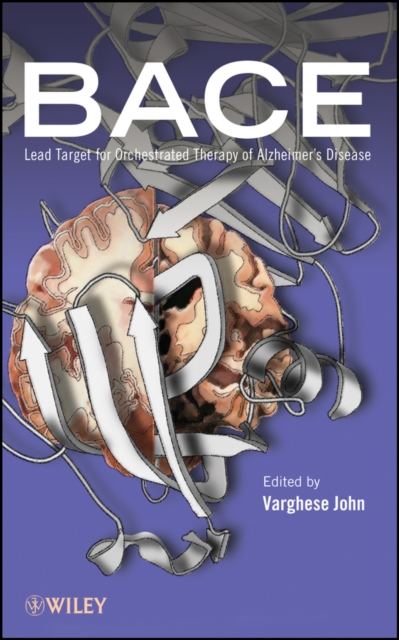
BACE
BACE inhibitors and their use in the treatment of Alzheimer's Disease BACE (β-site of APP cleaving enzyme) is a critical component in Alzheimer's Disease (AD), and the development of BACE inhibitors shows great potential as a therapy for the disease. BACE: Lead Target for Orchestrated Therapy of Alzheimer's Disease covers virtually all aspects of BACE from initial identification, discovery of inhibitors, and challenges in clinical development, while providing a global understanding essential for productive and successful drug discovery. This book details the story of the discovery of BACE and its role in AD and comprehensively discusses: The development of BACE inhibitors as therapeutics for Alzheimer's disease The research that led to the identification of BACE New BACE inhibitors currently being clinically tested ADME (absorption, distribution, metabolism, excretion) and clinical trial design—topics not addressed in current field literature Cutting-edge technology such as high-throughput screening, structure-based drug design, and QSAR in context of BACE inhibitors and Alzheimer's drug discovery Other approaches to BACE inhibition based on interaction with the precursor protein APP By enhancing the reader's understanding of the various aspects of the BACE drug-discovery process, this much-needed reference will serve as a key resource for all scientists involved in Alzheimer's research—and inspire new approaches to treatment of AD.
eBook

Insights into maydis leaf blight resistance in maize: a comprehensive genome-wide association study in sub-tropics of India
Background
In the face of contemporary climatic vulnerabilities and escalating global temperatures, the prevalence of maydis leaf blight (MLB) poses a potential threat to maize production. This study endeavours to discern marker-trait associations and elucidate the candidate genes that underlie resistance to MLB in maize by employing a diverse panel comprising 336 lines. The panel was screening for MLB across four environments, employing standard artificial inoculation techniques. Genome-wide association studies (GWAS) and haplotype analysis were conducted utilizing a total of 128,490 SNPs obtained from genotyping-by-sequencing (GBS).
Results
GWAS identified 26 highly significant SNPs associated with MLB resistance, among the markers examined. Seven of these SNPs, reported in novel chromosomal bins (9.06, 5.01, 9.01, 7.04, 4.06, 1.04, and 6.05) were associated with genes: bzip23, NAGS1, CDPK7, aspartic proteinase NEP-2, VQ4, and Wun1, which were characterized for their roles in diminishing fungal activity, fortifying defence mechanisms against necrotrophic pathogens, modulating phyto-hormone signalling, and orchestrating oxidative burst responses. Gene mining approach identified 22 potential candidate genes associated with SNPs due to their functional relevance to resistance against necrotrophic pathogens. Notably, bin 8.06, which hosts five SNPs, showed a connection to defense-regulating genes against MLB, indicating the potential formation of a functional gene cluster that triggers a cascade of reactions against MLB. In silico studies revealed gene expression levels exceeding ten fragments per kilobase million (FPKM) for most genes and demonstrated coexpression among all candidate genes in the coexpression network. Haplotype regression analysis revealed the association of 13 common significant haplotypes at Bonferroni ≤ 0.05. The phenotypic variance explained by these significant haplotypes ranged from low to moderate, suggesting a breeding strategy that combines multiple resistance alleles to enhance resistance to MLB. Additionally, one particular haplotype block (Hap_8.3) was found to consist of two SNPs (S8_152715134, S8_152460815) identified in GWAS with 9.45% variation explained (PVE).
Conclusion
The identified SNPs/ haplotypes associated with the trait of interest contribute to the enrichment of allelic diversity and hold direct applicability in Genomics Assisted Breeding for enhancing MLB resistance in maize.
Journal Article

Different essential oils can inhibit Candida albicans biofilm formation on acrylic resin by suppressing aspartic proteinase: In vitro and in silico approaches
Introduction
Cymbopogon martini
,
Syzygium aromaticum
, and
Cupressus sempervirens
are used for antimicrobial purposes in the worldwide. Both their extracts and essential oil contents are rich in active ingredients.
Objective
The aim of this study was to investigate the inhibitory effect of
Cymbopogon martini
essential oil (CMEO),
Syzygium aromaticum
essential oil (SAEO) and
Cupressus sempervirens
essential oil (CSEO) on
Candida albicans
biofilm formation on heat-polymerized polymethyl methacrylate (PMMA) samples in vitro and in silico.
Materials and methods
Essential oil contents with anticandidal potential were determined by Gas Chromatography-Mass Spectrometry. Following
C. albicans
adhesion, PMMA samples were treated independently with Corega
®
and each essential oil. The anticandidal activity of the essential oils was determined by spectrophotometric absorbance measurement at 600 nm, taking into account the cultures of each sample. The cytotoxicity evaluation of essential oils was performed by MTT Colorimetric assay. The software package AutoDockTools (1.5.6) was used for the in silico studies. The effect of essential oil content on the inhibition of Secreted aspartic proteinase (SAP2) was evaluated considering the Ligand@SAP2 complex formation.
Results
2% of CMEO and 5% of SAEO exhibited higher anticandidal activity than Corega
®
(
p
< 0.05), whereas Corega
®
had higher anticandidal activity than 2% and 5% of CSEO (
p
< 0.05). The cytotoxicity of essential oils on NIH/3T3 cells after 24 h was found to be 2.41 for CSEO, 2.84 for CMEO, and 2.85 µg/mL for SAEO. The results of the in silico study showed that citronellol from CMEO, chavibetol (m-eugenol) from SAEO and
β
-pinene from CSEO each had the highest effect on the inhibition of SAP2. The highest binding affinity value was found for citronellol at -5.3 kcal/mol.
Conclusions
The biofilm formation of
C. albicans
onto acrylic resin was inhibited by CMEO, SAEO and CSEO at a concentration of 2% through in vitro assay. The most effective inhibition was determined to be due to citronellol in CMEO through in silico analysis.
Graphical abstract
Journal Article
OoAREB1 from Oxytropis ochrocephala binds to the promoters of stress-responsive genes to enhance their expression and improve drought tolerance
Background
Oxytropis ochrocephala
, one of locoweeds, is widely distributed in arid regions of China. Previous studies have primarily focused on understanding its toxicity to livestock, with limited attention paid to its stress tolerant mechanism. The objective of this study is to elucidate the molecular basis of drought resistance in
O. ochrocephala
by deciphering the regulatory mechanisms of its internal signaling pathways under drought stress.
Results
In this study, we obtained 105 downstream genes for the
O. ochrocephala
transcription factor OoAREB1 by DNA affinity purification sequencing (DAP-seq). These genes were mostly involved in ABA response and drought adaptation. Yeast one-hybrid (Y1H) and dual-luciferase reporter assays further demonstrated that OoAREB1 directly binds to and activates the promoters of
Ultraviolet-B receptor 8
(
OoUVR8
),
Macro domain-containing protein
(
OoMacroD
),
Aspartic proteinase nepenthesin-1
(
OoAP
),
HVA22-like protein
(
OoHVA22
),
U-box domain-containing protein 19
(
OoPUB19
) and
Late embryogenesis abundant 3
(
OoLEA3
). Notably, since
OoLEA3
is well recognized as a key stress-responsive gene, it was selected as the focus for subsequent functional characterization. Heterologous expression of
OoLEA3
in
Escherichia coli
significantly enhanced the bacterium’s tolerance to osmotic stress, while in vitro experiments further demonstrated that
OoLEA3
exerts a protective effect against desiccation-induced inactivation of lactate dehydrogenase (LDH). In Arabidopsis, overexpression of
OoLEA3
improved drought tolerance and ABA sensitivity.
Conclusions
Our findings demonstrate that heterologous overexpression of
OoLEA3
- a target gene of the
O. ochrocephala
transcription factor OoAREB1 - enhances drought resistance in Arabidopsis. This study provides a foundation for future research into the environmental acclimation mechanisms of locoweeds.
Journal Article