
Catalogue Search | MBRL


Are you sure you want to remove the book from the shelf?

{{itemTitle}}
1,561
result(s) for
"Atlantic Salmon"
Sort by:

Association of microbial community structure with gill disease in marine-stage farmed Atlantic salmon (Salmo salar); a yearlong study
Background
Understanding the relationship between resident microbiota and disease in cultured fish represents an important and emerging area of study. Marine gill disorders in particular are considered an important challenge to Atlantic salmon (
Salmo salar
) aquaculture, however relatively little is known regarding the role resident gill microbiota might play in providing protection from or potentiating different gill diseases. Here, 16S rRNA sequencing was used to examine the gill microbiome alongside fish health screening in farmed Atlantic salmon. Results were used to explore the relationship between microbial communities and gill disease.
Results
Microbial community restructuring was observed throughout the sampling period and linked to varied drivers of change, including environmental conditions and severity of gill pathology. Taxa with significantly greater relative abundance on healthier gills included isolates within genus
Shewanella,
and taxa within family
Procabacteriaceae
. In contrast, altered abundance of Candidatus
Branchiomonas
and
Rubritalea
spp. were associated with damaged gills. Interestingly, more general changes in community richness and diversity were not associated with altered gill health, and thus not apparently deleterious to fish. Gross and histological gill scoring demonstrated seasonal shifts in gill pathology, with increased severity of gill damage in autumn. Specific infectious causes that contributed to observed pathology within the population included the gill disorder amoebic gill disease (AGD), however due to the uncontrolled nature of this study and likely mixed contribution of various causes of gill disease to observed pathology results do not strongly support an association between the microbial community and specific infectious or non-infectious drivers of gill pathology.
Conclusions
Results suggest that the microbial community of farmed Atlantic salmon gills undergo continual restructuring in the marine environment, with mixed influences upon this change including environmental, host, and pathogenic factors. A significant association of specific taxa with different gill health states suggests these taxa might make meaningful indicators of gill health. Further research with more frequent sampling and deliberate manipulation of gills would provide important advancement of knowledge in this area. Overall, although much is still to be learnt regarding what constitutes a healthy or maladapted gill microbial community, the results of this study provide clear advancement of the field, providing new insight into the microbial community structure of gills during an annual production cycle of marine-stage farmed Atlantic salmon.
Journal Article

Polygenic and sex specific architecture for two maturation traits in farmed Atlantic salmon
Background
A key developmental transformation in the life of all vertebrates is the transition to sexual maturity, whereby individuals are capable of reproducing for the first time. In the farming of Atlantic salmon, early maturation prior to harvest size has serious negative production impacts.
Results
We report genome wide association studies (GWAS) using fish measured for sexual maturation in freshwater or the marine environment. Genotypic data from a custom 50 K single nucleotide polymorphism (SNP) array was used to identify 13 significantly associated SNP for freshwater maturation with the most strongly associated on chromosomes 10 and 11. A higher number of associations (48) were detected for marine maturation, and the two peak loci were found to be the same for both traits. The number and broad distribution of GWAS hits confirmed a highly polygenetic nature, and GWAS performed separately within males and females revealed sex specific genetic behaviour for loci co-located with positional candidate genes phosphatidylinositol-binding clathrin assembly protein-like (
picalm)
and membrane-associated guanylate kinase, WW and PDZ domain-containing protein 2 (
magi2)
.
Conclusions
The results extend earlier work and have implications for future applied breeding strategies to delay maturation in this important aquaculture species.
Journal Article
Early nutritional programming affects liver transcriptome in diploid and triploid Atlantic salmon, Salmo salar
Background
To ensure sustainability of aquaculture, plant-based ingredients are being used in feeds to replace marine-derived products. However, plants contain secondary metabolites which can affect food intake and nutrient utilisation of fish. The application of nutritional stimuli during early development can induce long-term changes in animal physiology. Recently, we successfully used this approach to improve the utilisation of plant-based diets in diploid and triploid Atlantic salmon. In the present study we explored the molecular mechanisms occurring in the liver of salmon when challenged with a plant-based diet in order to determine the metabolic processes affected, and the effect of ploidy.
Results
Microarray analysis revealed that nutritional history had a major impact on the expression of genes. Key pathways of intermediary metabolism were up-regulated, including oxidative phosphorylation, pyruvate metabolism, TCA cycle, glycolysis and fatty acid metabolism. Other differentially expressed pathways affected by diet included protein processing in endoplasmic reticulum, RNA transport, endocytosis and purine metabolism. The interaction between diet and ploidy also had an effect on the hepatic transcriptome of salmon. The biological pathways with the highest number of genes affected by this interaction were related to gene transcription and translation, and cell processes such as proliferation, differentiation, communication and membrane trafficking.
Conclusions
The present study revealed that nutritional programming induced changes in a large number of metabolic processes in Atlantic salmon, which may be associated with the improved fish performance and nutrient utilisation demonstrated previously. In addition, differences between diploid and triploid salmon were found, supporting recent data that indicate nutritional requirements of triploid salmon may differ from those of their diploid counterparts.
Journal Article

Piscine orthoreovirus sequences in escaped farmed Atlantic salmon in Washington and British Columbia
Background
Piscine orthoreovirus (PRV) is an emergent virus in salmon aquaculture belonging to the family
Reoviridae
. PRV is associated with a growing list of pathological conditions including heart and skeletal inflammation (HSMI) of farmed Atlantic salmon. Despite widespread PRV infection in commercially farmed Atlantic salmon, information on PRV prevalence and on the genetic sequence variation of PRV in Atlantic salmon on the north Pacific Coast is limited.
Methods
Feral Atlantic salmon caught in Washington State and British Columbia following a large containment failure at a farm in northern Puget Sound were sampled. Fish tissues were tested for PRV by RT-qPCR assay for segment L1 and conventional RT-PCR for PRV segment S1. The PCR products were sequenced and their relationship to PRV strains in GenBank was determined using phylogenetic analysis and nucleotide and amino acid homology comparisons.
Results
Following the escape of 253,000 Atlantic salmon from a salmon farm in Washington State, USA, 72/73 tissue samples from 27 Atlantic salmon captured shortly after the escape tested PRV-positive. We estimate PRV-prevalence in the source farm population at 95% or greater. The PRV found in the fish was identified as PRV sub-genotype Ia and very similar to PRV from farmed Atlantic salmon in Iceland. This correlates with the source of the fish in the farm. Eggs of infected fish were positive for PRV indicating the possibility of vertical transfer and spread with fish egg transports.
Conclusions
PRV prevalence was close to 100% in farmed Atlantic salmon that were caught in Washington State and British Columbia following a large containment failure at a farm in northern Puget Sound. The PRV strains present in the escaped Atlantic salmon were very similar to the PRV strain reported in farmed Atlantic salmon from the source hatchery in Iceland that was used to stock commercial aquaculture sites in Washington State. This study emphasizes the need to screen Atlantic salmon broodstock for PRV, particularly where used to supply eggs to the global Atlantic salmon farming industry thereby improving our understanding of PRV epidemiology.
Journal Article

Reduced Numbers of Returning Atlantic Salmon (Salmo salar) and Thiamine Deficiency Are Both Associated with the Consumption of High-Lipid Prey Fish
In 2023, exceptionally few salmon (Salmo salar) ascended from the Baltic Sea to spawn in the Rivers Tornionjoki and Simojoki, regardless of the proper number of smolts descending to the sea in preceding years. We investigated how the numbers of age-0 and young herring (Clupea harengus) and sprat (Sprattus sprattus), which are the principal prey species of salmon in the Baltic Proper, the main feeding area of these salmon, as well as the amount of lipid obtained from them and their protein-to-lipid ratio, correlated with the number of returning salmon and the thiamine (vitamin B1) status of spawning salmon. The fewer the 0-year-old herring were and the more abundant were the youngish sprat in the Baltic Proper when the post-smolts arrived there, and the greater the lipid content and lower the protein-to-lipid ratio of the prey fish, the fewer salmon returned to the Rivers Tornionjoki and Simojoki to spawn two years later. The number of returning salmon was lowest with a high ratio of youngish sprat, 1–3 years old, regarding the River Tornionjoki and 1–2 years old regarding the River Simojoki post-smolts, to 0-year-old herring, which were of a suitable size to be the prey for the post-smolts upon their arrival in the Baltic Proper. In 2021, the ratios were lowest due to the record-low number of 0-year-old herring. The poor thiamine status of spawning salmon was also associated with the high lipid content of available prey fish and with the abundance of youngish sprat, which have twice the lipid content of age-0 herring. Our findings parallel the observations in the early 1990s when post-smolt survival declined concurrently with the outbreak of thiamine deficiency, M74. We conclude that consuming high-lipid marine fish reduces the survival of post-smolts and, thus, the number of returning salmon, in addition to causing thiamine deficiency.
Journal Article

The Effect of the Photoperiod on the Fatty Acid Profile and Weight in Hatchery-Reared Underyearlings and Yearlings of Atlantic Salmon Salmo salar L
The influence of two light regimes, 16:8 h light/dark (LD 16:8) and 24:0 h light/dark (LD 24:0), in comparison to a usual hatchery light regime (HL), on the fatty acids content and weight gain in hatchery-reared underyearlings (at 0+ age) and yearlings (at 1+ age) of Atlantic salmon in the summer–autumn period was studied. The total lipids were analyzed by Folch method, the lipid classes using HPTLC, and the fatty acids of total lipids using GC. The increase in EPA and DHA observed in October in underyearlings and yearlings salmon (especially under LD 24:0) suggests they were physiologically preparing for overwintering. The changes in fatty acids and their ratios in juvenile Atlantic salmon can be used as biochemical indicators of the degree to which hatchery-reared fish are ready to smoltify. These associated with an increase in marine-type specific DHA and EPA, an increase in the 16:0/18:1(n-9) ratio, in correlation with a reduction in MUFAs (mainly 18:1(n-9)). These biochemical modifications, accompanied by fish weight gain, were more pronounced in October in yearlings exposed to continuous light (LD 24:0). The mortality rate was lower in experimental groups of underyearliings with additional lighting. Exposure to prolonged and continuous light did not affect yearlings mortality rate.
Journal Article

Absence of anisakis nematodes in smoked farmed Atlantic salmon (Salmo salar) products on sale in European countries
The increase of global demand of aquaculture products as compensation for the lowering of fishery sustainability, has shown a parallel awareness by the consumers on the importance of the safety and quality of fish products. Among these, salmon industry has reached a leading position demonstrating the negligible risk of presence of zoonotic helminths such as anisakid nematodes in farmed salmon. Despite the massive production of data in literature on parasitological surveys carried out on fresh salmon, no data are published on processed farmed salmon such as smoked products. In 2016, 270 fillets of smoked farmed Atlantic salmon (Salmo salar) and 13 smoked fillets from wild sockeye salmon (Oncorhynchus nerka) have been analyzed by visual inspection and UV-press method searching for the presence of anisakid nematodes. No parasites were detected in fillets from farmed Atlantic salmon, while 10 out of 13 fillets from wild salmon were positive for Anisakis simplex s.s. larvae. This first survey on the possible presence of anisakid nematodes in processed smoked salmon confirms that this risk in farmed Atlantic salmon products has to be considered negligible.
Journal Article

The new fish : the truth about farmed salmon and the consequences we can no longer ignore / Simen Sætre and Kjetil Østli ; translated from the Norwegian language by Sin Mackie
\"In a prizewinning five-year investigation, authors Simen Sætre and Kjetil Østli produced a comprehensive evaluation of the detrimental effects of salmon farming. From lice to escapees, from concentrated sea-pen waste in the fjords through which wild salmon swim to the fact that salmon farming causes a net reduction of protein reaped from the ocean, the results don't look good. Recent victories, such as the banning of net-pen fish farms in the waters of Washington State, are an indication that we are awakening to the environmental price of engineered fish. But will it be soon enough?\"--
eBook

Codon-optimized base editors enable efficient base substitution in Atlantic salmon
We developed precise base editors specifically for Atlantic salmon, a vital aquaculture species. This advancement allows for direct, single-base DNA changes to enhance traits such as disease resistance and growth, offering a more targeted approach than traditional breeding or older gene-editing methods.Our optimized editor achieves high accuracy in creating the intended genetic changes in salmon, both in vitro and in vivo. Comprehensive genome analysis confirms minimal unintended edits. This precision is crucial for developing sustainable fish strains that mimic natural variations.We created three distinct Atlantic salmon strains with targeted gene modifications, demonstrating a scalable path for genetic improvement. This methodology can accelerate the development of healthier and more resilient salmon, as well as other animals.
Base editors (BEs) are promising gene-editing tools for correcting point mutations or generating new ones, broadly used in vitro and in model organisms, but their application in non-model animals remains limited. One of the major challenges is codon usage bias, as different organisms have preferences for specific codons to encode the same amino acid. Here, we redesigned the existing editors, ABE8e and CBE4max-SpRY, using salmon-preferred codons (designated ss-ABE8e and ss-CBE4max-SpRY), and validated their performance through a combination of in vitro reporter assays in Atlantic salmon (Salmo salar) cells and microinjection-based delivery in fertilized eggs. These engineered editors induced efficient base substitutions in vitro and in vivo. Compared with the original BEs (ABE8e and CBE4max-SpRY) derived from mammalian-cell models, our codon-optimized BEs exhibited higher efficiency but lower bystander (unintended on-target) activity by targeting the tyrosine gene in Atlantic salmon. Codon-optimized BEs encoded by mRNA showed fewer editing patterns than plasmid-encoded BEs, probably due to the limited lifespan of mRNA in cells. Furthermore, with these codon-optimized editors, we were able to mutate multiple loci, resulting in the complete loss of protein function in fish via premature stop codons. Our work demonstrates that codon optimization improves the efficiency of BEs in Atlantic salmon; ss-ABE8e and ss-CBEmax-SpRY increase the Atlantic salmon editing toolbox for biotechnological applications.
[Display omitted]
We developed codon-optimized base editors (BEs) to generate precise gene knockouts in Atlantic salmon by introducing premature stop codons, thereby mimicking natural loss-of-function mutations. This approach was initially validated with high efficiency in zebrafish (Danio rerio). This study presents an efficient strategy for applying these optimized BEs to an economically important species. Efficient base editing was achieved in vitro (in cells) and in vivo (in embryos), and three base-edited Atlantic salmon lines with low off-target activity were successfully established. These lines target genes relevant to disease resistance, showcasing a pathway to accelerate base editing applications in non-model aquaculture species. Such precise, single-base edits are expected to streamline the regulatory approval process for gene-edited animal products.
To enhance readiness, key translational aspects require further attention: First, the differential editing patterns between plasmid- and mRNA-delivered editors require mechanistic clarification. Secondly, comprehensive off-target profiling for all edited individuals—beyond the sequenced subset—should be revealed in a practice application. Thirdly, we did not determine masochism of edited fry due to its tiny body, but it should be evaluated in subsequent breeding programs.
Base editing is understudied in non-model fish. We developed codon-optimized base editors in a commercially important fish species, the Atlantic salmon, which demonstrate high editing efficiency and low off-target activity. Our efficient system created three fish lines bearing single-base loss-of-function mutations that mimic natural variation, which could facilitate regulatory approval.
Journal Article
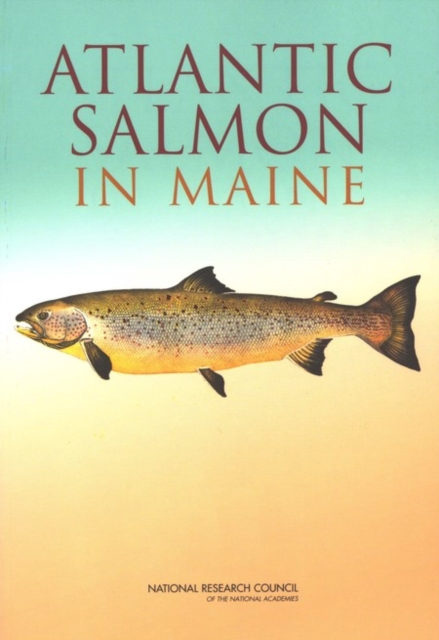
Atlantic Salmon in Maine
Because of the pervasive and substantial decline of Atlantic salmon populations in Maine over the past 150 years, and because they are close to extinction, a comprehensive statewide action should be taken now to ensure their survival. The populations of Atlantic salmon have declined drastically, from an estimated half million adult salmon returning to U.S. rivers each year in the early 1800s to perhaps as few as 1,000 in 2001. The report recommends implementing a formalized decision-making approach to establish priorities, evaluate options and coordinate plans for conserving and restoring the salmon.
eBook