
Catalogue Search | MBRL


Are you sure you want to remove the book from the shelf?

{{itemTitle}}
12,591
result(s) for
"Australia History."
Sort by:


Venomous encounters
How do we know which snakes are dangerous? This seemingly simple
question caused constant concern for the white settlers who
colonised Australia after 1788. Facing a multitude of serpents in
the bush, their fields and their homes, colonists wanted to know
which were the harmful species and what to do when bitten. But who
could provide this expertise? Liberally illustrated with period
images, Venomous Encounters argues that much of the
knowledge about which snakes were deadly was created by observing
snakebite in domesticated creatures, from dogs to cattle.
Originally accidental, by the middle of the nineteenth century this
process became deliberate. Doctors, naturalists and amateur
antidote sellers all caused snakes to bite familiar creatures in
order to demonstrate the effects of venom - and the often erratic
impact of 'cures'. In exploring this culture of colonial
vivisection, Venomous Encounters asks fundamental
questions about human-animal relationships and the nature of modern
medicine.
eBook

Octopus crowd : maritime history and the business of Australian pearling in its schooner age
\"A detailed study of the origins and demise of schooner-based pearling in Australia\"-- Provided by publisher.
Book
Pastoral Australia
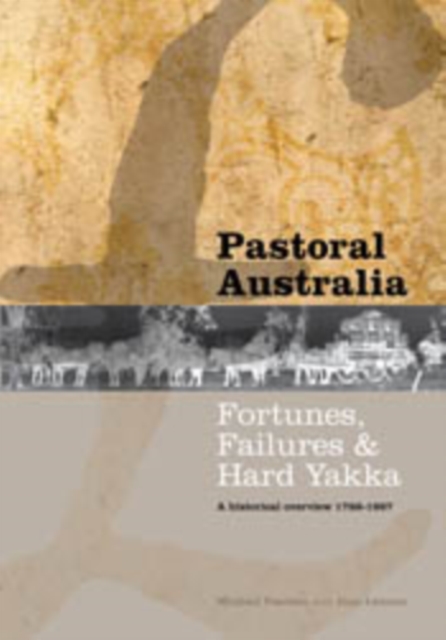
Pastoral Australia tells the story of the expansion of Australia's pastoral industry,how it drove European settlement and involved Aboriginal people in the new settlersociety. The rural life that once saw Australia 'ride on the sheep's back' is no longer whatdefines us, yet it is largely our history as a pastoral nation that has endured inheritage places and which is embedded in our self-image as Australians. The challenges of sustaining a pastoral industry in Australia make a compellingstory of their own. Developing livestock breeds able to prosper in the Australianenvironment was an ongoing challenge, as was getting wool and meat to market. Many stock routes, wool stores, abattoirs, wharf facilities, railways, roads, and riverand ocean transport systems that were developed to link the pastoral interior withthe urban and market infrastructure still survive. Windmills, fences, homesteads,shearing sheds, bores, stock yards, travelling stock routes, bush roads andrailheads all changed the look of the country. These features of our landscape forman important part of our heritage. They are symbols of a pastoral Australia, and ofthe foundations of our national identity, which will endure long into the future.
eBook

Australia : a very short introduction
In this 'Very Short Introduction', Kenneth Morgan provides a wide-ranging and thematic introduction to modern Australia; examining the main features of its history, geography, and culture and drawing attention to the distinctive features of Australian life and its indigenous population and culture.
Book

Genocide on Settler Frontiers: When Hunter-Gatherers and Commercial Stock Farmers Clash
European colonial conquest included many instances of indigenous peoples being exterminated. Cases where invading commercial stock farmers clashed with hunter-gatherers were particularly destructive, often resulting in a degree of dispossession and slaughter that destroyed the ability of these societies to reproduce themselves. The experience of aboriginal peoples in the settler colonies of southern Africa, Australia, North America, and Latin America bears this out. The frequency with which encounters of this kind resulted in the annihilation of forager societies raises the question of whether these conflicts were inherently genocidal, an issue not yet addressed by scholars in a systematic way.
eBook

Legacies of Violence
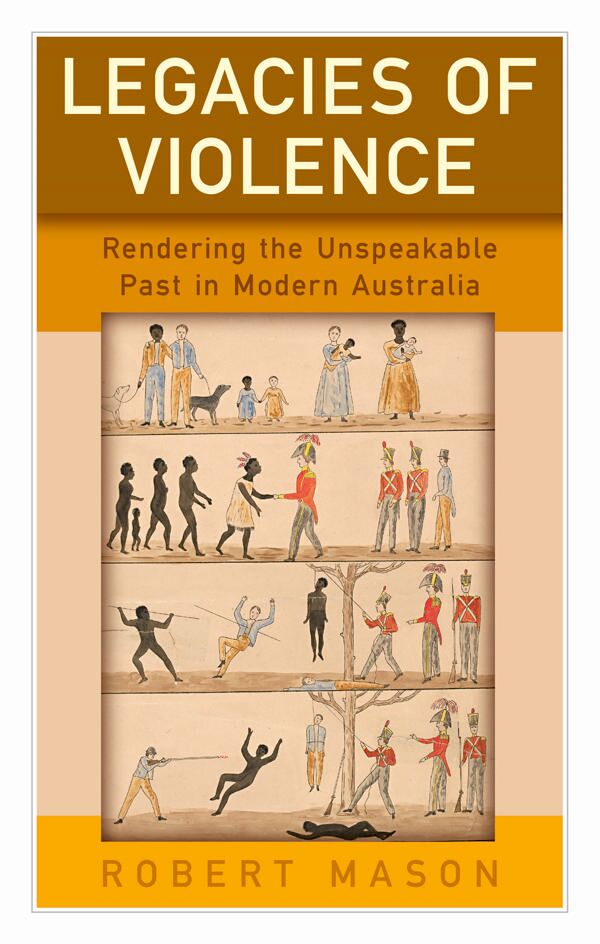
Whether in the form of warfare, forced migration, or social prejudice, Australia's sense of nationhood was born from experiences of violence. This book probes this brutal legacy through case studies that range from the colonial frontier to modern domestic spaces, exploring empathy, isolation, and Australians' imagined place in the world.
eBook


Protests, Land Rights, and Riots
The 1970s saw the Aboriginal people of Australia struggle for recognition of their postcolonial rights. Rural communities, where large Aboriginal populations lived, were provoked as a consequence of social fragmentation, unparalleled unemployment, and other major economic and political changes. The ensuing riots, protests, and law-and-order campaigns in New South Wales captured the tense relations that existed between indigenous people, the police, and the criminal justice system. In Protests, Land Rights, and Riots, Barry Morris shows how neoliberal policies in Australia targeted those who were least integrated socially and culturally, and who enjoyed fewer legitimate economic opportunities. Amidst intense political debate, struggle, and conflict, new forces were unleashed as a post-settler colonial state grappled with its past. Morris provides a social analysis of the ensuing effects of neoliberal policy and the way indigenous rights were subsequently undermined by this emerging new political orthodoxy in the 1990s.
eBook